

Waltz Denies Iran War Stockpile Crisis After Pentagon Sought $67 Billion in Supplemental Funds
Ambassador Mike Waltz refutes claims of depleted military reserves, emphasising full operational capacity against Iran.
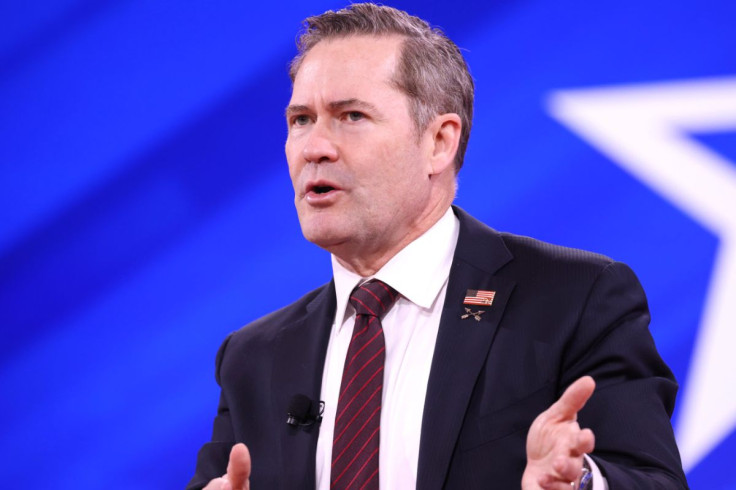
United States Ambassador to the United Nations Mike Waltz has denied that the Iran conflict has created a war stockpile crisis, rejecting claims that American military reserves have been dangerously depleted even as the Pentagon seeks a £53.6 billion ($67 billion) supplemental funding package.
Speaking to the press on Sunday, he insisted the US military retains full operational capacity against Tehran and pushed back against reports of logistical strain.
The denial of an Iran war stockpile crisis follows the Pentagon's recent effort to secure the £53.6 billion ($67 billion) in additional funding. Waltz maintained that the military remains fully equipped, asserting that those raising concerns over depleted resources are misrepresenting American combat readiness.
The financial pressures of the conflict surfaced last week when United States Secretary of Defence Pete Hegseth testified before Congress. Lawmakers reviewed the £53.6 billion ($67 billion) request amid concerns that continuous operations in the Middle East were straining the domestic defence budget.
Unpacking the Alleged Iran War Stockpile Crisis and Internal Leaks
Appearing on the Sunday NBC broadcast 'Meet the Press', Waltz addressed the rumours directly. 'I want to be crystal clear, the US military, and I have verified this every which way, has everything that it needs to conduct this campaign as effectively as it needs to be,' he stated to viewers.
He then issued a warning to those speaking anonymously about depleted arsenals to journalists. 'I have to tell you, the people that are leaking this nonsense deserve to be in jail,' the ambassador declared, indicating the administration's firm stance on internal leaks regarding the war effort.
The government is reportedly pivoting towards newer, cost-effective munitions technologies for its regional operations. While acknowledging national inventory reductions, Waltz referred to earlier decisions.
'A lot of stockpiles were depleted not only from what we gave Ukraine over the last however many years, four or five years,' he explained. He added that Secretary Hegseth inherited a depleted situation resulting from Ukraine and the ongoing Houthi fight under the Biden administration.
Diplomatic Pauses Amid the Iran War Stockpile Crisis Debate
President Donald Trump has repeatedly and publicly downplayed concerns regarding the military supply chain. The weekend marked an operational shift, with Sunday representing the second consecutive day the United States refrained from attacking targets.
Tehran appears to have matched this pause with a corresponding halt of its own.
Reports previously suggested the White House was weighing a major strategic escalation, but concerns regarding the broader inventory may have influenced the decision to hold fire. When asked if the president had permanently abandoned a heavier assault, Waltz rejected that interpretation.
'I wouldn't go that far at all,' he remarked, describing the pause as a tactical decision.
'The president is keeping all options on the table,' Waltz added. He said the administration is allowing negotiations room to proceed.
The ambassador pointed to 'internal fighting' within the Iranian government which he claims 'makes it hugely challenging from a diplomatic standpoint to get to some reasonable resolution.'
This pause follows roughly a fortnight of renewed American bombardment across the region. The United States escalated its retaliatory strikes after Iranian forces launched repeated attacks against commercial vessels navigating the Strait of Hormuz earlier this month.
The duration of the current operational pause remains unclear, and governments are waiting on the outcome of the ongoing diplomatic negotiations.
© Copyright IBTimes 2026. All rights reserved.