

Trump Supporter Says Liberal Brother Cut Him Off and Refused to Help After He Asked for Money
A personal story highlights the growing impact of political divisions on family relationships amid financial hardship.
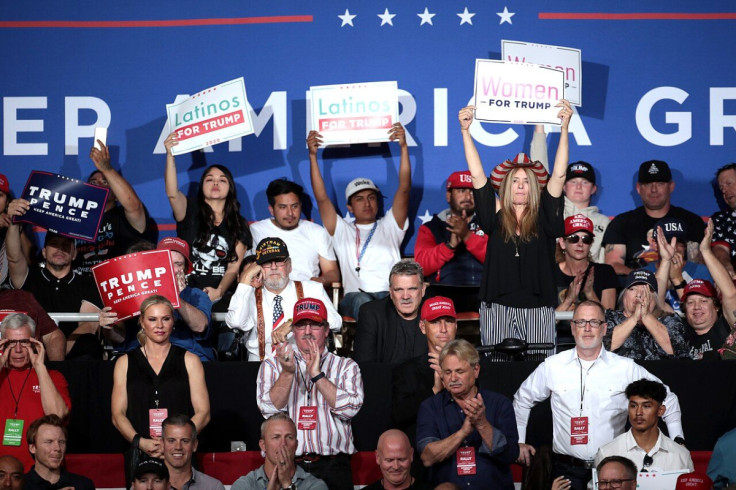
A 61-year-old Donald Trump supporter says his liberal brother cut off contact and refused to help after he asked for money for rent and groceries, turning a private family dispute into a wider debate about how politics, financial hardship and family loyalty increasingly collide in America.
The man's account has resonated because it goes beyond one request for financial help. It highlights the growing strain political divisions have placed on personal relationships, particularly as rising living costs and changing government policies leave more households under economic pressure.
A Family Divided By Politics
According to the man's account, the brothers' lives took different paths decades ago after their mother left their father during the 1970s.
He said he moved with his mother to Indiana, while his brother remained with their father in Massachusetts. Over the years, their careers, lifestyles and political beliefs increasingly diverged.
The writer described himself and his immediate family as Trump supporters, while his brother's household embraced liberal politics, displaying campaign signs, attending demonstrations and backing Democratic candidates.
He said those differences existed for years without completely breaking the relationship, but tensions escalated following the 2024 presidential election.
According to his account, one nephew blamed him for immigration policies that affected his fiancée, while other relatives accused him of supporting policies they believed had harmed their family. He said his brother eventually decided to end contact with both him and their elderly mother.
Financial Hardship Brings The Rift Into Focus
The dispute resurfaced after the man said he and his mother began struggling financially.
He wrote that he had been driving his mother to medical appointments while facing mounting household expenses, including higher insurance premiums, utility bills and prescription costs. He claimed insulin prices had risen sharply, making it increasingly difficult to cover essential expenses.

Facing those pressures, he contacted his brother seeking temporary help with groceries and rent. He also suggested that he and his mother might move into one of the spare bedrooms in his brother's home until they regained financial stability.
According to his account, no reply came.
Instead, he said his sister-in-law later responded with a short message telling him he had 'voted for this' — a remark that quickly became one of the most widely discussed aspects of the story.
A Debate Over Responsibility
The account sparked sharply divided reactions.
Some sympathised with the financial difficulties facing the man and his elderly mother, arguing that family should come before politics during periods of hardship.
Others sided with his brother, saying relatives are entitled to establish personal boundaries if they believe someone's political choices conflict with their own values or have affected people close to them.
The writer defended his support for Trump by saying he believed the president would strengthen the economy, create jobs, reduce housing costs and improve public safety. He also described traditional family roles as central to his worldview, arguing that younger women should embrace 'the soft life of being a wife and mother' while younger men should rediscover purpose and pride.
Those comments themselves became part of the debate, with readers disagreeing over whether they reflected personal values or broader political ideology.
Reflecting A Wider American Divide
The dispute arrives as political polarisation continues to reshape family relationships across the United States.
Researchers have documented growing numbers of Americans reporting strained or broken relationships with relatives over elections, immigration, abortion and other politically divisive issues. For many families, disagreements that once remained confined to election seasons now extend into everyday life.
Economic pressures have further complicated those tensions.
Reuters has reported that millions of Americans are expected to lose access to food assistance following recent policy changes, while many households continue to struggle with higher housing, healthcare and everyday living costs. Against that backdrop, requests for financial support can become especially sensitive when family members hold fundamentally different views about government policy, economic responsibility and personal obligation.
More Than One Family's Story
Although the dispute centres on one family's experience, it has struck a chord because it reflects broader questions facing many American households.
For some, the story illustrates how political identity has become powerful enough to fracture relationships that once appeared unbreakable. For others, it highlights how financial hardship often exposes tensions that have been building quietly for years rather than creating them overnight.
Whether readers sympathise more with the man seeking help or with the brother who refused, the account underscores how politics, money and family have become increasingly difficult to separate.
What began as a request for help with groceries and rent has become a broader conversation about loyalty, accountability and the growing challenge of maintaining family bonds in an era when political convictions often extend far beyond the ballot box.
© Copyright IBTimes 2026. All rights reserved.