

Pentagon Insists US Military Is Fully Equipped Despite Estimates of Fewer Than 1,000 Patriot Missiles
The pause highlights the growing global strain on allied missile defences

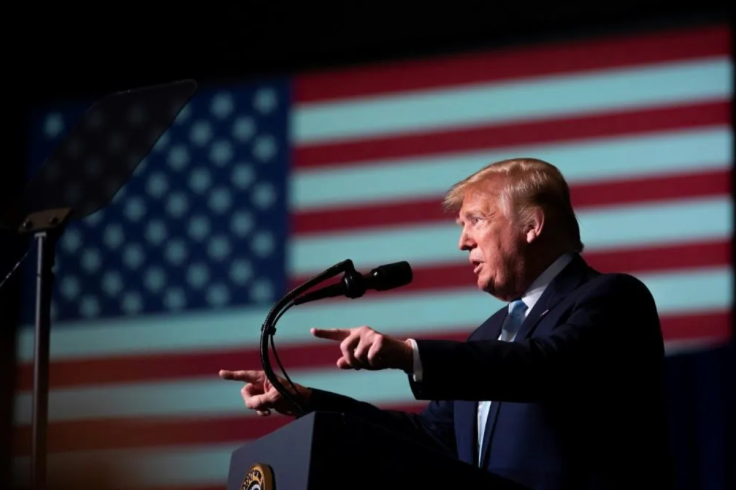
In a sudden shift in strategy, President Donald Trump has put planned US military strikes on Iran on hold following urgent warnings from senior defence officials.
Top Pentagon advisers cautioned that continuing the high-intensity air campaign could leave American bases and regional assets dangerously exposed as key missile inventories run low. With Washington now weighing its next move, the unexpected operational pause has raised critical questions about the US military's readiness in the region.
President Delays Planned Iran Offensive
According to US officials familiar with the matter, President Trump has postponed plans to scale up military operations against Iran, balancing fresh diplomatic efforts to reopen the Strait of Hormuz with internal debates over dwindling air defence supplies.
An intensive wave of air strikes targeting Iran had been scheduled to begin on Friday, with officials noting the planned US operation could have lasted for up to two weeks. The military pause came as Washington weighed the impact of a large-scale strike on its declining air defence reserves while simultaneously pursuing diplomatic avenues.
The US and Iran say diplomatic efforts are progressing after nearly two weeks of military escalation.
— Al Jazeera English (@AJEnglish) July 27, 2026
Washington has paused strikes while mediators from Oman, Qatar and Pakistan continue talks with Tehran. pic.twitter.com/McOQ08f4Hu
However, sources noted that the plan could change at any time, with President Trump retaining the option to authorise a strike whenever he chooses.
Military Warns Over Air Defence Shortages
Officials revealed that Gen. Dan Caine, Chairman of the Joint Chiefs of Staff, briefed the White House on dwindling air defence inventories. Although Caine believes the military can still resume major strikes against Iran despite the shortages, sources said he stressed the increased risk to American forces. Meanwhile, his spokesman said confidential discussions with the president would not be disclosed.
Central Command chief Adm. Brad Cooper remains confident the US can manage its reduced interceptor stockpiles. Several officials noted that intensified American strikes, if authorised by Trump, would effectively neutralise Iran's ability to launch large-scale missile barrages.
Trump Dismisses Concerns Over Missile Supplies
President Trump brushed aside concerns over dwindling weapon supplies, telling The Wall Street Journal that 'we have far more munitions than anyone in the world, and far more than we need.'
Trump HALTS 'MAJOR US AIR CAMPAIGN' on Iran to give diplomacy ANOTHER SHOT
— RT (@RT_com) July 26, 2026
Military leaders WARNED of LOW AIR DEFENSE MISSILE STOCKS, delaying a planned 2-WEEK+ OPERATION, per WSJ
Trump DISMISSES CONCERNS: 'We have FAR MORE than anyone in the world' pic.twitter.com/dmICOajxcK
Meanwhile, the White House warned that publishing updated US figures on Patriot and THAAD missile usage would compromise national security, as the numbers reveal the sheer volume of interceptors consumed since the conflict began.
Analysts Warn Stockpiles Could Fall Below Critical Levels
Independent analysts have consistently warned that using vast quantities of anti-missile interceptors to counter Iranian strikes risks weakening US deterrence in other critical theatres, including against China.
An April study by the Center for Strategic and International Studies, co-authored by retired Marine Corps Colonel Mark Cancian and researcher Chris Park, concluded that shrinking weapon reserves pose an immediate risk. The authors noted that a major confrontation with a formidable adversary such as China would deplete munitions even faster than the current conflict.
🇺🇸🇮🇷 SAY IT AIN’T SO! Pentagon allegedly HIDING severe U.S. missile shortage from the White House!
— Mario Nawfal (@MarioNawfal) July 21, 2026
Post-Iran war stockpiles are critically low on Patriots, Tomahawks, JASSMs & more.
Internal warnings have surfaced: “We do not have enough to safely sustain operations”, but of… pic.twitter.com/XFNTpiHn2p
Following an initial study tracking seven core weapons used against Iran, analysts Cancian and Park said on Sunday that Patriot missile usage has exceeded 1,500 rounds. They warned that this level of expenditure has likely reduced total US Patriot reserves to fewer than 1,000 interceptors.
Hegseth LETS IN Iran strikes as arms run OUT — senior US officials
— RT (@RT_com) July 27, 2026
This US base filmed being attacked by Iran tonight — reports pic.twitter.com/IXKOgCWERT
Both the White House and the Pentagon pushed back against concerns over supplies, with spokespeople Karoline Leavitt and Sean Parnell insisting that the military remains fully equipped for any mission ordered by the president.
US officials also noted that the Pentagon is becoming increasingly concerned as allied Gulf nations continue to deplete significant portions of their own air defence interceptor stockpiles.
© Copyright IBTimes 2026. All rights reserved.