

US Resumes Iran Strikes Over Flouted Ceasefire Testing Trump's 'Space Force' Uranium Tracking Claims
Trump ends ceasefire, US targets Iranian military sites
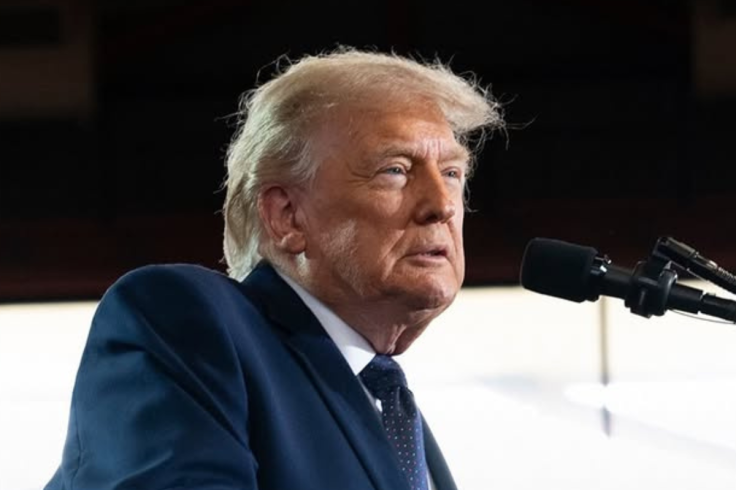
The United States resumed airstrikes on Iran on Wednesday, following President Donald Trump's declaration that the ceasefire with Tehran is over. US Central Command said the latest operations targeted Iranian military positions after Iran was accused of attacking commercial tankers in the Strait of Hormuz.
The move comes just a day after initial retaliatory strikes and tests long-standing assertions about American space-based surveillance of Iran's nuclear activities.
US Strikes Resume Following Tanker Attacks
US forces struck approximately 80 targets across Iran, focusing on military installations, air defences and port infrastructure near the Strait of Hormuz. Officials in Washington said the action responded directly to Iran's targeting of three merchant vessels, which they described as a clear breach of the April ceasefire.
Iran rejected the accusations, pointing instead to earlier US and Israeli operations in the region, including attacks in southern Lebanon, and claimed it had hit 85 US-linked military sites in retaliation. Exchanges continued into a second day, with both sides reporting further activity.
The strikes sought to deter threats to vital shipping routes that carry a significant portion of the world's oil supplies. The Pentagon emphasised precision to limit civilian impact, though details of specific damage remained limited.
Trump Declares Ceasefire Over At NATO Summit
At the NATO summit in Turkey, Trump told reporters that the ceasefire agreement was over. 'I think it's over. I don't want to deal with them anymore, they're scum,' he said. The president indicated that while his team might continue exploratory talks, he saw little prospect for a lasting deal with current Iranian leaders.
The ceasefire had been declared in early April following mediation by Pakistan and extended indefinitely later that month. It had already faced numerous alleged violations by both parties over the preceding months. Trump's announcement coincided with the fresh US military action and reports that Iran had suspended aspects of nuclear discussions.
Space Force Uranium Tracking Claims Tested
The renewed conflict brings renewed attention to President Trump's claims about the role of the US Space Force in tracking Iran's nuclear materials. Trump has stated on multiple occasions that Space Force satellites and sensors maintain close watch over enriched uranium stockpiles at sites damaged during earlier phases of the conflict.
He has described advanced camera systems capable of identifying individuals approaching the locations and warned that any such attempt would trigger an immediate response. These assertions have been presented as a key element in preventing Iran from advancing its nuclear programme covertly. However, independent verification of the technology's effectiveness remains limited amid the fog of active operations.
Analysts note that while space assets provide broad monitoring, ground-level concealment or rapid relocation of materials could challenge such systems. Iran's recent threats to exit the nuclear non-proliferation treaty add to the stakes surrounding these surveillance capabilities. Oil prices increased by around five to six per cent in early trading following the escalation, reflecting concerns over potential disruptions to energy flows.
The US administration also moved to cancel previous waivers permitting some Iranian oil exports. Markets and shipping companies adjusted risk assessments accordingly. Further US action has not been ruled out, with officials indicating readiness to respond to any additional provocations in the Gulf. Both nations continue to position forces in the region as diplomatic channels remain strained.
© Copyright IBTimes 2026. All rights reserved.