

US Strikes Iran After Strait of Hormuz Ship Attacks as Brent Nears $76 and Tanker Traffic Slows
No shortage has emerged from the weekend exchanges, but crude is more expensive, and drivers may feel it at the pump within weeks
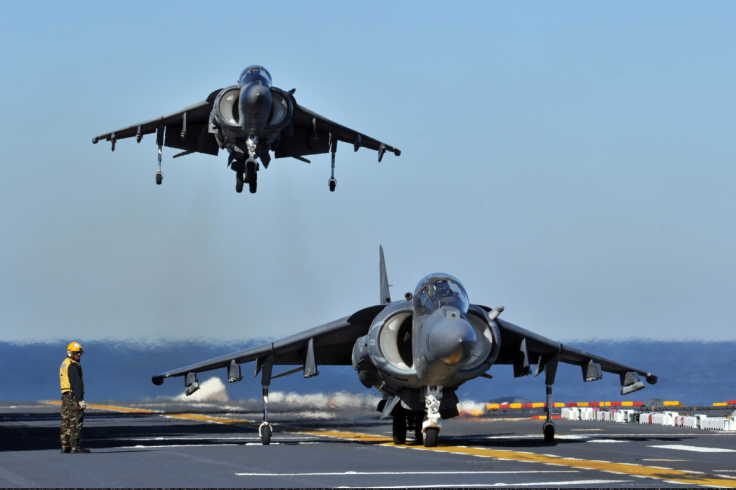
American forces struck targets along Iran's southern coast for the third time in a week over the weekend, after attacks on two commercial vessels in the Strait of Hormuz, and the oil market repriced the danger at Monday's open: Brent crude, which settled near $76 (£57) a barrel on Friday, traded above $78 (£58) in early Asian dealing, a rise of more than 3%. With tanker transits through the waterway still running well below normal, the cost works its way towards the forecourt, into freight rates and into gas-linked energy bills.
United States Central Command said Saturday's strikes answered an attack that left a Cyprus-flagged container ship damaged in the Strait with one crew member missing, and further American strikes followed on Sunday. Iranian state media reported explosions around the port of Bandar Abbas, on Qeshm Island, and at Hajiabad, with local officials describing close to a dozen projectiles hitting Qeshm alone.
The exchanges have widened beyond the coast. Claims carried by Iranian state media said three ballistic missiles hit a site in Kuwait housing American ATACMS launchers on Sunday; neither Washington nor Kuwait had confirmed any strike by Monday morning, and previous claimed hits on Gulf bases have often ended in interception. President Donald Trump has said negotiations with Tehran will continue even as he calls the ceasefire effectively over.
What Is Verified and What Is Not
Verification is the weekend's second battle. Clips of smoke plumes and coastal blasts spread faster than any official account, and one widely shared post, below, bundles several of the boldest claims together.
🚨 Iran and US exchange fresh strikes – reports
— Sputnik (@SputnikInt) July 12, 2026
An Iranian strike targeted a US vessel in the Strait of Hormuz, with American attacks along Iran's southern coast reported shortly after.
Multiple explosions were heard in the Iranian port cities of Qeshm and Bandar Abbas.
The… pic.twitter.com/01qYQMgcEF
That post described an American vessel coming under Iranian fire. The US military identified Saturday's stricken ship as a commercial container carrier sailing under a Cyprus flag and said a second commercial vessel was fired on during Sunday's exchanges. The Kuwait missile claim in the same post rests, so far, on Iranian state media alone.
Each side is also contesting the waterway itself. Statements from the Revolutionary Guard describe the strait as closed to hostile traffic, while the American military says the channel sits under no country's control and that its forces will keep navigation open. Both positions are declarations rather than settled fact, and the picture can shift within hours.
The Cost of a Narrow Waterway
Money is keeping score in the meantime. Roughly a fifth of the world's traded oil and gas moves through Hormuz, according to the International Energy Agency, and vessel-tracking data show transits still significantly below usual levels. The agency's latest monthly report warned that a prolonged confrontation could delay the rebuilding of global oil inventories expected later this year.
Friday's settlement near $76 capped a weekly gain of about 5% on ICE futures. Monday's move above $78 added a fresh risk premium rather than evidence of any new shortage, since Gulf producers have so far kept exports flowing.
For households, the chain is slower but real. Wholesale crude feeds petrol and diesel prices at the pump over a period of weeks, freight and insurance surcharges follow rerouted or delayed sailings, and British gas prices track a global market in which Qatari cargoes transit the same strait. A calmer week would unwind some of Monday's rise. Another Sunday like the last one would not.
© Copyright IBTimes 2026. All rights reserved.