

Peru Airport Bust Exposes €1.5M Tarantula Smuggling Plot Using Socks on Germany-Bound Flight
The specimens, seized after an anonymous tip, were reportedly destined for Germany and could be worth about €1.5 million in Europe
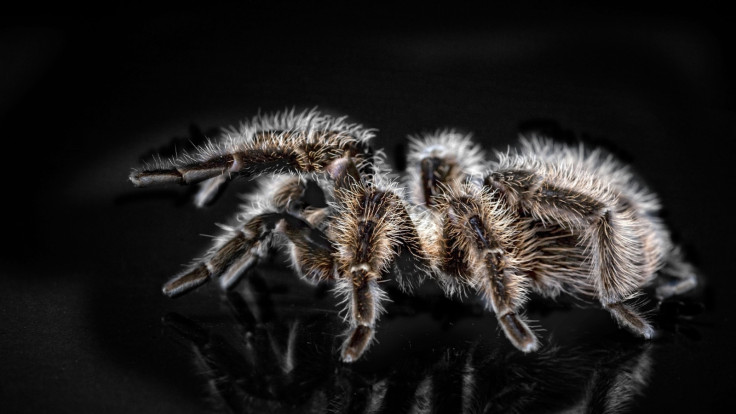
Authorities at Jorge Chávez International Airport in Callao, near Lima, intercepted an illegal wildlife trafficking attempt, discovering more than 3,000 tarantulas, including eggs, hatchlings and adults, hidden inside socks in the luggage of three passengers bound for Germany.
The operation followed an anonymous tip submitted through Peru's Alerta SERFOR platform, run by the National Forestry and Wildlife Service, prompting wildlife officials and customs authorities to investigate three passengers preparing to travel to Germany.
Officials confirmed the contraband arachnids were meticulously concealed within dozens of socks distributed across three separate suitcases. Reports estimate the total European market value of the seized specimens at approximately €1.5 million (£1.25 million), with officials suggesting the specimens were intended for collectors, research or the exotic pet trade.
Anonymous Tip Triggers Customs Seizure
The operation occurred on Tuesday, 3 November 2026, after authorities launched an inspection based on an anonymous tip. Customs personnel and wildlife officers searched the baggage of two German nationals and one Polish citizen who were preparing to board their flight to Germany.
During the search, agents discovered that dozens of socks were distributed across the three suitcases with live arthropods. Inspectors said they noticed unusual movement within the tightly packed bundles during the inventory process, prompting a more thorough search.
Cora Suárez, a wildlife forestry control technician with SERFOR, stated, 'We noticed that some of them were moving. There were small ones and large ones'. The subsequent biological processing revealed thousands of arachnids which had been extracted from different ecological regions across Peru.
The €1.5M Valuation and Collector-Driven Demand
Reports estimated that the specimens could collectively fetch approximately €1.5 million in Europe, based on an estimated individual selling price of around €500 (£420) per tarantula. According to the New York Post, Suarez explained the commercial appeal of the species saying, 'These species are attractive because of the colours, because of the size and, more than anything, because they can be intended for collectors.'
SERFOR also reported that the shipment contained specimens belonging to different species, including some that have not yet been formally described in scientific literature.
International Criminal Police Organization (INTERPOL) data indicates illegal wildlife trafficking remains a highly lucrative global criminal enterprise, generating an estimated $20 billion (£14.9 billion) annually and serving as a primary driver of global biodiversity loss.
The Peru seizure underscores how collector demand in Europe sustains a cross-continental supply chain that relies on removing live specimens from their native habitats.
Prominent Researcher Implicated as Legal Action Begins
Following the discovery, Peru's environmental crimes police detained the two German nationals and the Polish citizen. The Specialised Environmental Prosecutor's Office (FEMA) is overseeing the investigation.
Peruvian media reports, citing scientific publications, indicated that one of the detained individuals may be a recognised researcher specialising in tarantulas. Authorities have not publicly established the individual's alleged role in the suspected trafficking operation.
In Peru, illegal wildlife trafficking convictions carry standard prison terms ranging from three to five years. However, statutory penalties increase to a maximum of seven years when operations involve officially protected or threatened species, such as the Pamphobeteus antinous.
© Copyright IBTimes 2026. All rights reserved.