

Potty Training Goes Political as UK Government Campaign Sparks Debate Over Parenting and State 'Interference'
The initiative offers families information, workshops and guidance as debate grows over whether councils should support school-readiness or leave potty training entirely to parents
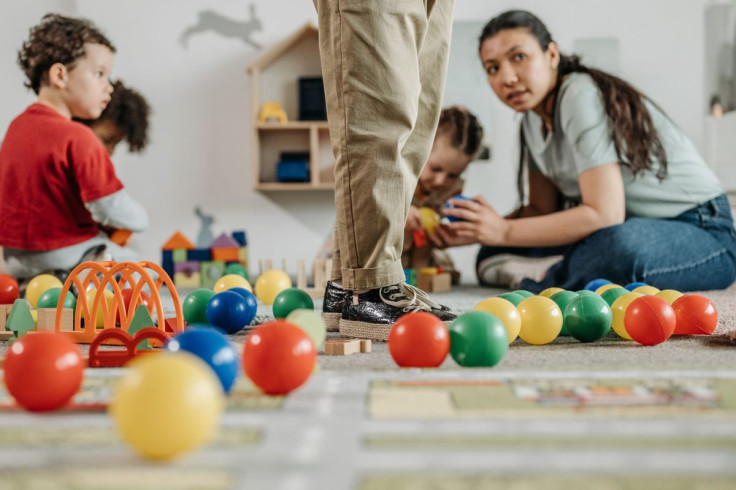
Potty training has long been one of those topics parents swap stories about – when to start, what finally worked and how long it took their child to ditch the nappies.
Now, the conversation has moved beyond parenting circles and into politics, as an initiative helping families toilet-train children before they start school expands across England. It has prompted questions over whether authorities are offering much-needed support or interfering in a job that should be left to parents.
The debate follows promising results from a pilot in York, where the number of children starting reception without being fully toilet trained fell by 43 per cent compared with the previous year. Twenty local authorities have now signed up to introduce similar schemes, according to the BBC.
Potty Training Scheme Expands Beyond York
Since April, families across York have been offered potty training information and support through GP surgeries, pharmacies, family hubs, schools, nurseries and libraries. Guides were also sent to families whose children were due to start reception in September.
The aim was for children to be able to use the toilet independently by the time they entered school, except those with medical issues or special educational needs.
Figures show that 148 of 1,364 reception pupils, or 11 per cent, were not fully toilet-trained when they started school last September. This year, the figure dropped to 85 out of 1,374 pupils, or 6 per cent.
The York model, developed by children's charity Kindred Squared, is now set to be adopted by 20 local authorities across England.
'Why the Govt Interference?' Potty Training Scheme Divides Opinion Online
Despite the results, the expansion has struck a nerve on social media, where some users questioned why government and councils should be involved in potty training at all.
'If potty training, nappy changing, feeding to tooth brushing kids becomes the states responsibility, love, care & responsibility in family unit erodes rapidly! Why the govt interference?' one X user wrote.
@BBCNews If potty training, nappy changing, feeding to tooth brushing kids becomes the states responsibility, love, care & responsibility in family unit erodes rapidly! Why the govt interference?
— Fatos (@Fatoscarter) October 5, 2026
Another user argued that the government should not be toilet training children, insisting it was the responsibility of parents. A separate commenter went further, describing children arriving at school without being potty trained as an example of 'bad parenting.'
@SandyofSuffolk The children shouldn't be allowed to go into school if they are not potty trained. It's bad parenting. 🤷♀️
— Julie Davies (@Julie_Davies75) October 5, 2026
Another social media user took aim at the suggestion that having two working parents could explain why some children start school in nappies. In a post, the commenter said previous generations of working parents still managed to toilet-train their children by an early age.
'I say parents need to get their noses out of their phones and start doing the hard graft - like toilet training,' they wrote.
Discussion this morning on BBC Radio Suffolk about why so many children start school still in nappies.The presenter, Wayne Bavin, thinks it's because so many houses have parents where both of them work.I worked. My mum worked. My stepdaughters worked. We still potty trained and had dry children by age 2.I say parents need to get their noses out of their phones and start doing the hard graft - like toilet training.
— Sandy Tregent (@SandyofSuffolk) October 5, 2026
Is the Government Actually Potty Training Children?
The criticism, however, risks overstating what the scheme involves.
Rather than councils taking over toilet training, the York model provides parents with information, workshops and support, alongside training for early-years staff. Gail Brown, chief executive of Ebor Academy Trust, described the initiative as being about 'supporting parents, not blaming parents.'
Some parents have welcomed the additional help. One mother preparing her daughter for reception described local potty-training drop-in sessions as a 'really good idea.' Another said it was important for her daughter to be confident and independent enough to use the toilet without relying on teachers for help.
Why Schools Want Children Toilet Trained Before Reception
The push comes amid concern about how much classroom time is being spent helping children with toileting.
According to research from children's charity Kindred Squared, around one in four children started school in England and Wales last year without being fully toilet trained, while teachers reported spending more than an hour a day changing nappies.
Kindred Squared chief executive Felicity Gillespie said teachers report losing the equivalent of a day of teaching each week to potty training issues. Reception teacher Jo Mould, meanwhile, said her school had been able to spend more time teaching this year because children arrived better prepared.
For something involving potties and nappies, the argument raises a much bigger question for families: when children are struggling with basic school readiness skills, is offering parents more support government interference or simply a way of keeping that responsibility from eventually falling on teachers?
© Copyright IBTimes 2026. All rights reserved.