

Spain Transport Minister Quits After Two Deadly Train Disasters as Pressure Mounts Over 115 Deaths
Óscar Puente announced his departure after a 69-person collision near Toledo
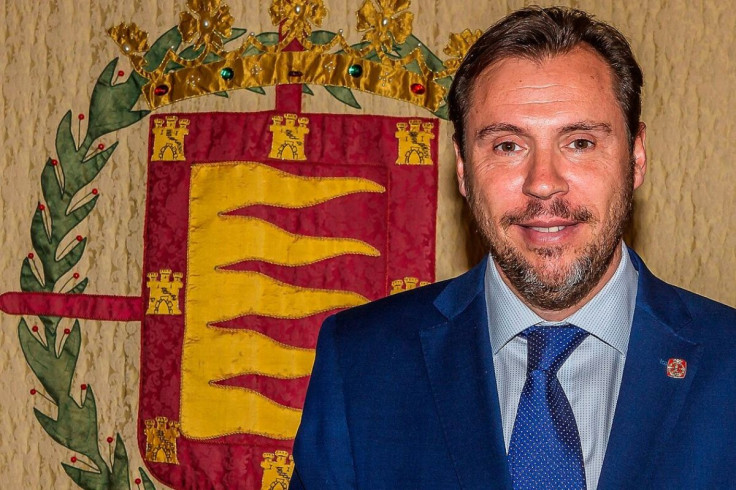
Spain's transport minister has announced his resignation following two catastrophic railway accidents that claimed 115 lives in less than a year. The resignation comes amid growing questions about Spain's railway safety standards and mounting political pressure on the government ahead of the 29 November general election.
Óscar Puente confirmed on Tuesday, 3 November, that he would leave his position after the latest collision killed 69 people on 28 October. The disaster followed another fatal accident in January, when 46 people died in a separate collision involving high-speed trains.
Puente revealed his decision during an appearance before lawmakers in Madrid, where he faced questions about the circumstances surrounding the October tragedy and the government's handling of railway safety. He also confirmed that he would withdraw from the Socialist Party's candidate list for the 29 November general election.
Minister Says Two Disasters Made His Position Untenable
The transport minister explained that he had made up his mind shortly after learning about the October collision but had remained in office to help manage its aftermath and introduce measures intended to prevent another catastrophe.
He said that continuing in the role after two accidents of such magnitude within a relatively short period would be incompatible with his responsibilities as a government minister. However, he did not specify exactly when he would formally leave the position.
'I made the decision about my future in the first few minutes after the tragedy,' Puente said. 'A transport minister in a country like Spain cannot remain in office after two accidents of this severity in less than a year, however different they may be and regardless of whether or not they bear direct responsibility for them,' he added, per CNN.
Puente's departure follows mounting criticism from opposition politicians, who had called for him to accept responsibility for the disasters. Railway unions also challenged the government's handling of the investigation, particularly suggestions that the latest collision could be attributed to an individual control-centre operator.
Railway Safety Questions After October Collision
The latest catastrophe occurred near Urda, in the province of Toledo, approximately 130 kilometres south of Madrid. A high-speed train operated by state-owned Renfe crashed into the rear of a stationary service belonging to private operator Iryo on the Madrid-Seville route. The collision left over 100 people injured.
Initial findings have raised questions about a series of technical problems and decisions made by railway controllers before the impact. A failure involving the LZB railway safety system forced trains to operate under alternative procedures. Investigators are examining why the Renfe train was authorised to continue travelling while the Iryo service remained stationary further along the line.
The investigation is also looking into communications between drivers and the control centre, as well as whether existing safety protocols were correctly followed. The October collision followed another deadly railway accident in January, when 46 people were killed in a separate crash near Adamuz, in the province of Córdoba.
With investigations into both accidents continuing, questions remain over how two catastrophic incidents could occur on Spain's high-speed railway network within the same year.
The government now faces the challenge of establishing what went wrong, addressing the concerns of bereaved families and restoring public confidence in a transport system that had long been regarded as one of the country's major achievements.
© Copyright IBTimes 2026. All rights reserved.