Sabrina Carpenter Reveals Controversial Album Cover Means Being 'Emotionally Yanked Around'
Sabrina Carpenter insists her album's controversial cover symbolises emotional control and vulnerability, not degradation.

Sabrina Carpenter is addressing the intense backlash surrounding the cover of her new album Man's Best Friend, explaining that the provocative imagery was never intended to shock but to symbolise feeling 'emotionally yanked around' in past relationships.
Speaking to Variety for its 2025 Hitmakers issue, the 26-year-old pop star said the photograph — criticised by advocacy groups and praised by supporters as bold commentary — reflects a personal reckoning with power, vulnerability and the emotional contradictions embedded in modern dating.
The controversy has ignited a wider cultural debate over artistic expression, consent-coded imagery and how female artists navigate themes of sexuality in the public eye.
The Image That Sparked Outrage Across Social Media
When Carpenter unveiled the album cover in June 2025, the response was immediate and polarising. The image shows her on her hands and knees in a black mini-dress and heels while an unseen figure, cropped from the frame, tugs a handful of her hair.
Critics saw the visual as degrading and regressive, arguing that it echoed misogynistic tropes rather than subverting them.
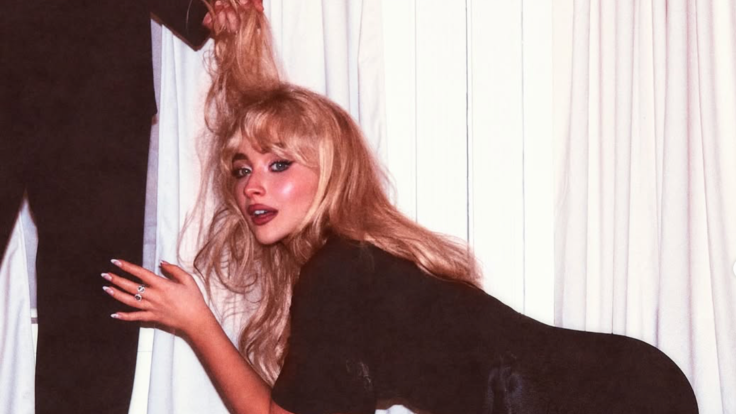
Glasgow Women's Aid condemned the artwork as one that 'reduces women to pets, props and possessions' and potentially normalises controlling behaviour. Many commentators highlighted the sensitivity around imagery depicting physical dominance at a time of heightened activism against gender-based violence.
Still, the cover dominated online conversations, dividing fans between those who viewed it as a creative risk and those who felt it crossed a line.
Carpenter's Interpretation: A Metaphor for Power, Control and Vulnerability
Carpenter told Variety the concept stemmed directly from how she has felt in certain relationships — both powerful and powerless, in control and not in control. 'It was about how people try to control women, and how I felt emotionally yanked around by these relationships that I had,' she said.
She acknowledged that the image was open to interpretation but insisted the meaning was deeply personal: the cover captured an emotional truth rather than a literal dynamic. 'It meant one thing to me and 100 things to other people,' she noted, adding that she respects the spectrum of reactions.
In a lighter moment on social media, Carpenter shared an alternate cover, playfully calling it 'approved by God,' though she made clear she would not walk back the original concept.
Satire, Artistic Freedom — And a Cultural Divide
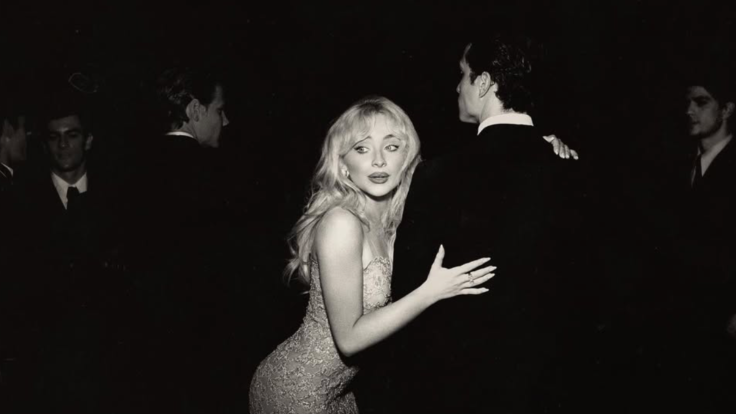
Supporters of Carpenter's vision argue the artwork is intentionally provocative, a satirical commentary on how relationships can feel coercive or destabilising. They also point to a lineage of female pop stars — Madonna, Britney Spears, Rihanna, who used sexual imagery to explore themes of autonomy and cultural pressure.
But critics counter that the execution fails to offer context that signals satire or consent. A writer for Forbes argued the imagery evokes 'tired tropes' rather than reclaiming them. Survivors and women's advocacy groups say the cover risks glamorising the very dynamics it attempts to critique.
The debate reveals a broader tension in contemporary pop culture: between calls for uncompromised artistic expression and increasing awareness of how imagery may retraumatise or desensitise audiences.
Commercial Momentum Despite Controversy
Despite the uproar — or perhaps fuelled by it — Man's Best Friend has already enjoyed commercial momentum. Streaming numbers surged following the cover's reveal, and Carpenter's fanbase has remained intensely engaged. The conversation surrounding the artwork has amplified the album's themes of desire, power, emotional turbulence and self-definition, cementing its place in the cultural conversation.
For Carpenter, the storm reflects the reality of being a woman in pop: bold ideas invite bold reactions. She appears prepared for both.
© Copyright IBTimes 2026. All rights reserved.
- MOST POPULAR IN Entertainment