

White House Sets ICE Arrests to Sabrina Carpenter's 'Juno' — Outrage Erupts Online
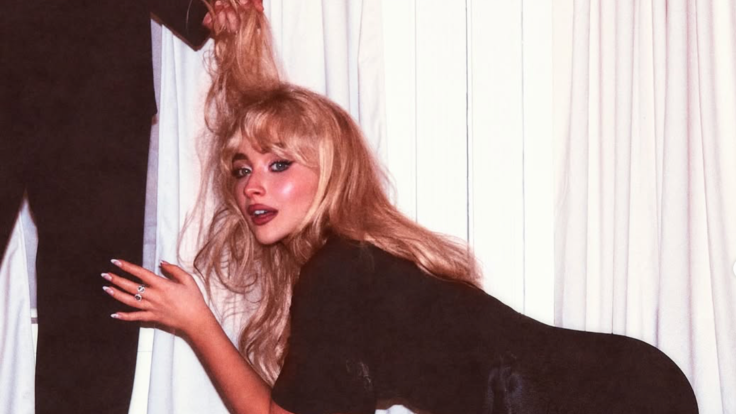
The White House is under fire after a TikTok video on its official account paired Immigration and Customs Enforcement (ICE) arrest footage with Sabrina Carpenter's hit song 'Juno', prompting accusations of trivialising deportation and exploiting pop culture for political gain.
The clip, which features real immigration detentions set to the upbeat track, ignited outrage across social media, with critics arguing the administration had transformed traumatic events into entertainment.
The controversy also raises legal questions about copyright permissions, music-licensing rules, and whether Carpenter's team approved the song's use.
As human-rights groups demand an apology and policy experts warn of a dangerous new trend in political communication, the administration faces growing pressure to explain how such content was approved.
Backlash Erupts as ICE Arrests Are Set to Pop Lyrics
The video shows ICE personnel detaining people during previous operations while Carpenter's 'Juno' plays in the background. The playful, flirtatious tone of the song clashes sharply with the imagery of handcuffs, transport vans, and emotionally charged police interactions.
Originally used by Carpenter during concerts as part of a tongue-in-cheek stage bit involving pink fuzzy handcuffs, the track's placement here drew immediate criticism.
Viewers said the White House had effectively turned deportation into a pop-soundtracked spectacle, blurring ethical boundaries in government messaging. The post amassed hundreds of thousands of views before officials responded.
@whitehouse Have you ever tried this one? Bye-bye 🥰
♬ original sound - The White House
The video, according to commenters, glamorises imprisonment for online interaction. The post was reportedly seen hundreds of thousands of times before the White House took any action.
Critics Say Video Trivialises Detention and Family Separation
Human-rights advocates condemned the clip for presenting immigration enforcement as entertainment. Groups, including the American Immigration Council, argued that the White House had trivialised experiences involving family separation, trauma, and involuntary detention.
Commentators noted that many communities already fear interactions with immigration authorities. Presenting arrests alongside a viral pop hit, they said, risks normalising heavy-handed enforcement and reducing complex social issues to meme-friendly visuals designed to court younger audiences on TikTok.
Did the White House Have Permission to Use 'Juno'? Legal Questions Mount
A second wave of controversy centred on copyright. Neither the singer nor her managers has issued a statement, and the White House has offered no clarification.
The lack of an immediate response from Sabrina Carpenter's label, Island Records, or her publishing company, Universal Music Publishing Group, has fuelled speculation of potential copyright infringement.
Music-rights experts told Billboard and Variety that using a commercially released song in an official government communication is legally distinct from fan use on TikTok. Without explicit clearance, the administration could face scrutiny under federal copyright rules.
Artists, including Rihanna and Aerosmith, have previously objected to political use of their music without permission. Critics believe Carpenter's camp may speak in the coming days.
@tmz Olivia Rodrigo was not happy after the Department of Homeland Security and the White House used one of her songs in a promotional ICE video… The video shows the treatment of immigrants being deported by ICE vs. when they self-deport. Olivia left a comment on the post which has since been deleted... 🎥: @dhsgov @whitehouse 📷: Getty
♬ original sound - TMZ
A Pattern of Pop-Fueled Political Messaging
This incident is not isolated. In recent months, the administration has produced multiple videos coupling pop music with political messaging, including content depicting law-enforcement activities or border-security measures. Other pop songs purportedly featured in previous White House videos have included portions from Olivia Rodrigo's 'All-American Bitch.'
Analysts caution that this new trend is part of a larger political strategy that aims to engage younger people by presenting essential policy initiatives in a way that is visually appealing to social media.
While some regard this as sophisticated digital communication, others believe it risks removing nuance and simplifying complex reality to meme-like spectacles. The 'Juno' issue raised concerns that governmental institutions may be leaning too much on entertainment strategies, blurring the lines between governance and marketing.
Unanswered Questions and Escalating Pressure
The White House is under increasing pressure to provide an explanation of its decision-making process and to clarify whether there are any policy rules for the use of music in official content. The White House Press Secretary has not responded to the controversy as of the time of publication.
Human-rights organisations are calling for a public apology and for the film to be taken down, while legal observers warn that the music-rights issue may not go away quietly.
For the time being, the film is still accessible online and continues to stir up discussion about ethics, propriety, and the direction of political communication. Critics claim that the incident signals a turning point in public scrutiny of how governments employ social media influence, but it is unclear whether the White House would address the topic.
© Copyright IBTimes 2026. All rights reserved.