'Nuns Are Awesome': High Rents Push New Yorkers to Live With Nuns as Convent Rooms Cost Less
Convents offer a unique solution to New York's housing crisis, providing affordable living options for young professionals.
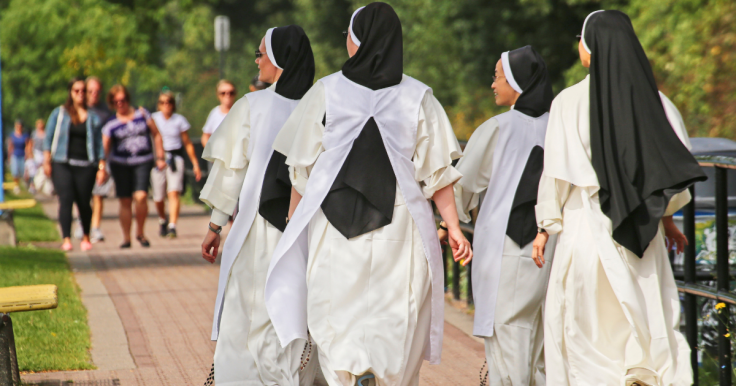
New York's housing crisis is forcing renters to look in unexpected places for a roof over their heads. As apartment costs continue to outpace wages, a small but growing number of young professionals are turning to convents, where rooms can cost a fraction of market rents.
When Katie Rettig arrived in New York with two 50-pound suitcases and a new job due to start the following morning, she faced a problem familiar to many newcomers: finding somewhere affordable to live.
Short-term furnished rentals in Manhattan were commanding as much as $5,000 (£3,690) a month. After scrolling through pages of search results, Rettig found an alternative she had never considered. A convent.
Within days, she had moved into Sacred Heart Residence in Chelsea, where a nun welcomed her to a furnished room. Rent was substantially lower than nearby apartments and dinner was provided every evening.
'Nuns are awesome,' Rettig told The Wall Street Journal. 'They be chilling.'
How Convent Rooms Are Providing Cheaper Alternative Housings
Rettig's experience highlights the lengths some New Yorkers are going to as housing costs remain stubbornly high. According to Realtor.com, the median asking rent in New York reached $3,616 (£2,695.92) during the first quarter of 2025, roughly 20% higher than before the pandemic.
On that note, religious residences are attracting tenants seeking affordable accommodation without the burden of year-long leases or expensive deposits.
After six weeks at Sacred Heart, Rettig secured a room at St Mary's Residence on the Upper East Side, where she lived for nearly a year. Sacred Heart charged her around $1,650 (£1,230.16) a month, while St Mary's cost approximately $1,200 (£894.66).
Other religious residences offer even lower rates. St Agnes Residence on the Upper West Side starts at about $950 (£708.28) a month, while Centro Maria in the Bronx charges around $800 (£596.44). Most do not require residents to be Christian or participate in religious activities.
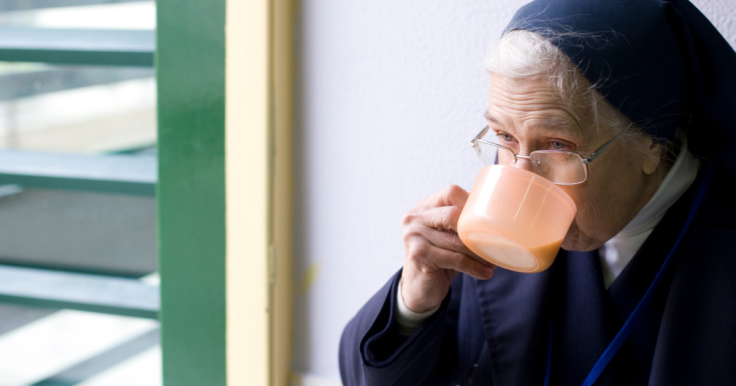
The savings come with conditions, especially curfews, often set between 11 pm and midnight. Male visitors are typically prohibited from women's rooms, and alcohol is generally not permitted. For many residents, however, those restrictions are a small price to pay.
'I trust nuns more than I trust random people on Facebook Marketplace,' Rettig said.
Affordable Housing Meets Community Living
At Centro Maria in the Bronx, affordability is only one part of the appeal.
Five Catholic sisters share the building with 21 residents, preparing breakfast each morning and organising activities designed to foster a sense of community. A karaoke machine sits in the dining room, and the nuns occasionally join residents in singing sessions.
'I love living with the girls. They keep me young,' said Sister Rita.
Originally from the Philippines, Sister Rita said she never expected to enter religious life after studying business at university.
'The word nun was not in my vocabulary,' she said. 'Two years later I had a veil already.'
The sisters rotate responsibility for managing the residence and closely monitor residents' welfare. A board in the lobby tracks who is in and out of the building, while the nuns often remain awake until everyone has returned safely.
'I don't go to bed if I don't know where someone is,' said Sister Maria de Jesus.
When residents return home late, she waits up.
'I'm gonna kill her tomorrow,' she said with a smile, recalling her thoughts when a resident texts to say she is running behind schedule.
The sisters also conduct room inspections and, in some cases, offer opinions on residents' romantic partners.
A Lifeline In An Increasingly Expensive City
For some tenants, the residences provide far more than discounted rent. Diana Janna Reyes Núñez, 26, moved into Centro Maria after her mother's death left her searching for affordable housing. She said rising living costs had become increasingly difficult to manage.
'Finances have been such a struggle for me,' she said.
With utilities, internet access and breakfast included, the arrangement eased financial pressures. The emotional support offered by the sisters proved equally important as she navigated her grief.
Jeralene Maria, who moved to New York from India, found comfort in the familiar structure of communal living. One nun has taught her how to cook, while she regularly attends morning chapel services.
Not all religious residences are women-only.
Kolping House on Manhattan's Upper West Side operates around 90 rooms, including accommodation for men, and does not impose a curfew. Resident Walter Heckem, 63, said the communal meals and convenient location have made the residence an attractive option.
'The location is perfect,' he said.
A Declining Network Facing Growing Demand
Religious boarding houses have long been part of New York's housing landscape. Many were established during the early 20th century to provide safe accommodation for young people arriving in the city for work.
Their numbers have steadily declined in recent decades as religious orders have shrunk and maintenance costs have risen. Some never recovered from disruptions caused by the pandemic.
Sacred Heart Residence, where Rettig first lived, has since closed, although the reason was not immediately clear. Demand for the remaining residences remains strong. Waiting lists can stretch for months, reflecting the wider pressures facing New York's rental market.
© Copyright IBTimes 2026. All rights reserved.
- Recommended For You