

Burnham's Business Rate Split Draws Fire as Pubs Get 20% Cut While Restaurants Get Nothing: 'Not Pro-Business'
Burnham's pub rate cut divides hospitality as restaurants and hotels say they have been left behind.
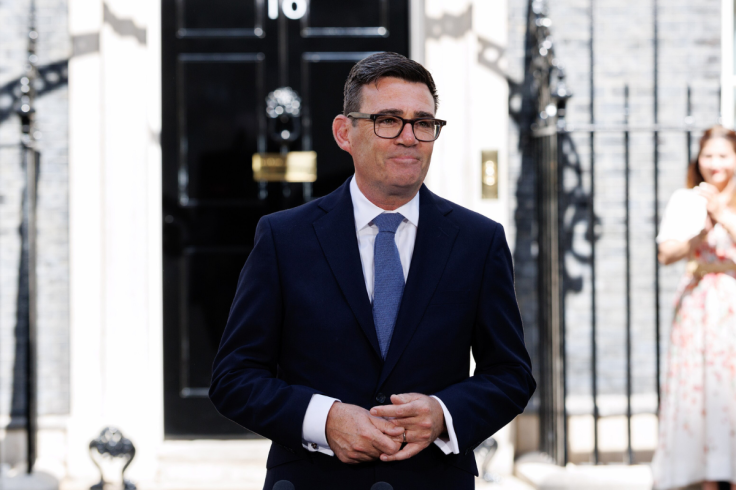
Prime Minister Andy Burnham has sparked a row in hospitality after cutting business rates by 20% for pubs, clubs and live music venues while leaving restaurants and hotels out of the package. The measure, due from April 2027, is being sold as support for the high street, but restaurant and hotel operators say it exposes a divide inside hospitality.
The government says the package will help nearly 32,000 venues and save the typical pub about £1,100 ($1,457) next year. Restaurant and hotel operators argue that the policy overlooks the wider cost pressures facing hospitality.
Hospitality Split Opens Up
The new relief is not coming from scratch. Pubs and live music venues were already due to receive a 15% business rates discount in the 2026/27 billing year, alongside a freeze in real terms for the following two years under the earlier support package.
The latest move adds another 20% cut on top of that for eligible pubs, social clubs and live music venues, with the government saying the combined support is designed to help protect local venues from rising costs. According to the official announcement, the package is worth about £100 million ($132.9 million) a year and is intended to back community spaces that draw people to high streets.
That has not satisfied everyone in hospitality. The boss of Leon said Burnham's move creates a divide in the sector by helping pubs while leaving restaurants and hotels to face higher bills, while the BBC reported that some businesses said the relief does not go far enough.
Who Qualifies—and Who Does Not
The government says the new relief will be funded partly by reviewing reliefs for businesses it sees as not making a positive contribution to local communities, including vape shops. It is also consulting on tougher action against online marketplace sellers who do not pay the tax they owe, with any money raised expected to go back into the business rates system.
The official guidance also makes clear that the scheme is tightly drawn. Pubs and live music venues must meet specific definitions to qualify, and the relief does not extend to restaurants, cafés, nightclubs, hotels, theatres or cinemas.
That means the government is making a deliberate distinction between venues it sees as community anchors and the wider hospitality and leisure sector. The very largest live music venues are also excluded, which has added to the criticism that the package is selective rather than comprehensive.
Critics Question Funding and Timing
The row lands at a politically sensitive moment for Burnham, who has made a series of high-profile announcements in his first days in office. The business-rates move follows his earlier Makerfield byelection pledge to cut rates for pubs and small businesses, funded in part by higher charges on large online warehouses and vacant properties.
Critics have also questioned how the wider programme will be paid for, with The Independent reporting warnings from economists that the government may eventually need to raise taxes elsewhere. Burnham's allies, meanwhile, are framing the policy as a direct boost for local high streets and a sign that ministers are backing community venues.
Industry reaction remains mixed rather than outright hostile. Pubs and some venue operators have welcomed the immediate relief, but restaurants and hotels say the package deepens an existing divide in hospitality instead of solving it.
What the Row Means
For Burnham, the political upside is obvious: pubs are a visible and popular beneficiary, and the policy gives ministers a clear, easy-to-explain headline. The risk is that the announcement is remembered less as a sector-wide rescue and more as a targeted concession to one part of hospitality.
That is why the strongest criticism centres on selectivity. The government has given pubs a bigger break, but it has also left other businesses asking why they were not included in the first place.
© Copyright IBTimes 2026. All rights reserved.