No 10 Fed Journalists False Information About Burnham's Chancellor Pick, and Insiders Are Not Sorry Press Got Burned
A chancellor race shaped by misdirection, wounded lobby confidence and a prime minister testing just how far he can control the story.
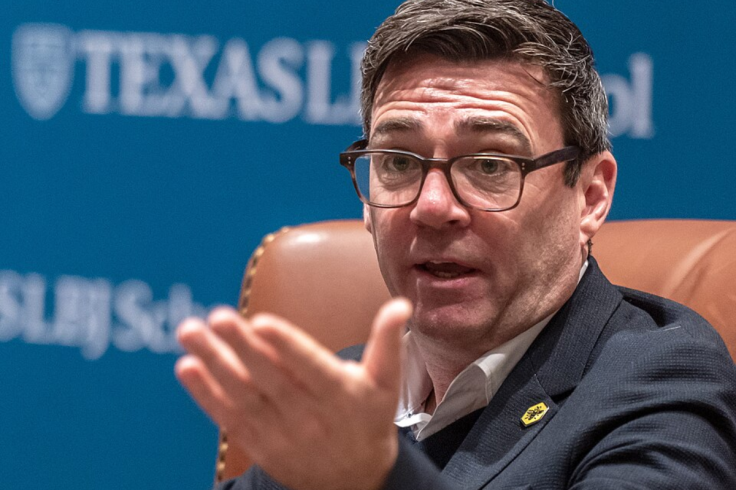
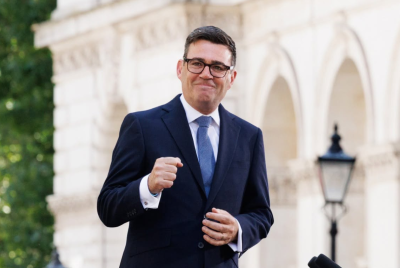
The contest for Andy Burnham's chancellor appointment was shaped by intense lobbying and briefing, with rival camps seeking to influence the outcome through unattributed guidance to journalists. It was reported that Shabana Mahmood had emerged as the frontrunner days before the announcement. But when Burnham confirmed John Healey as his choice, it caught much of Westminster off guard.
The chancellor post sits at the centre of tax, spending and borrowing decisions, making the appointment one of the most closely watched parts of Burnham's cabinet formation. Whoever holds the Treasury job shapes fiscal policy that affects household finances, business investment and the government's broader economic credibility.
How Westminster Got It Wrong
Reporting before the announcement suggested speculation had narrowed to a small group of possible contenders, but those expectations proved wrong when Burnham confirmed his choice. The Guardian reported that the contest was shaped by intense lobbying and briefing around key Labour figures, including John Healey and Shabana Mahmood. The newspaper said the appointment had been subject to significant behind-the-scenes manoeuvring.
A separate Guardian analysis noted that Burnham's media operation had allowed journalists to be misled about the decision. According to the analysis, the episode was intended to signal a shift in how No 10 expects to engage with the Westminster lobby, with anonymous guidance no longer carrying the weight it once did.
Who Is John Healey? Meet Andy Burnham's New Chancellor
Mohamed El-Erian, the prominent economist, described Burnham's decision to appoint John Healey as chancellor as a 'calculated risk,' noting that prediction markets had put Shabana Mahmood's chances at around 90 per cent on the morning of the announcement. The prediction market data, while not a reliable indicator of political outcomes, reflected the extent to which the appointment had caught Westminster off guard.
El-Erian argued that Healey's Treasury background and his position on defence spending could support a pro-growth shake-up, but said borrowing costs and fiscal rules would be the real test for the new government. Healey, who previously served as defence secretary, brings significant ministerial experience to the role, though questions remain about his specific economic vision.
The Real Story Behind the Briefing War
The handling of the appointment appears to fit a communications style that critics have argued favours tighter control over the message. Recent commentary said Burnham's operation has been increasingly comfortable bypassing traditional media gatekeepers, even as it still needs a relationship with the press.
What does Andy Burnham's surprise pick for UK chancellor mean for markets?
— Bloomberg (@business) July 21, 2026
Alice Atkins explains what to know about former defense secretary John Healey — and why his appointment is raising the prospect of a comeback for war bonds https://t.co/tnAA7rFWUl pic.twitter.com/FPrMvmZeSr
Commentators including former Labour adviser Tom Baldwin have argued that tighter control over leaking is meant to stop internal disputes from playing out through the press. Baldwin has suggested Burnham is trying to avoid the kind of rolling destabilisation that can happen when rival camps use journalists to shape the political narrative. According to this view, the chancellor appointment episode was not merely about one personnel decision but about establishing new rules of engagement between No 10 and the media.
However, Baldwin warned that too much control can reduce the press's ability to test competing claims or expose disagreement inside government. If anonymous guidance becomes less reliable, reporters may have to lean more heavily on official statements and named sources, a shift that could have significant consequences for political journalism.
Online Reaction and Broader Debate
Some social media commentators have cast the episode as evidence of a harder-edged No 10 media strategy, arguing that lobby reporters will now be more cautious about treating unattributed Downing Street guidance as dependable insight. The discussion has focused on the broader implications for political reporting, with some users questioning whether the episode represents a necessary correction to a briefing culture that had become too cosy.
Posted earlier:
— Mohamed A. El-Erian (@elerianm) July 23, 2026
My take on Andy Burnham’s surprise choice of John Healey for UK Chancellor:https://t.co/khMLBL2kgQ #economy #markets #uk@hmtreasury @JohnHealey_MP@andyburnham @ProSyn
A smaller strand of commentary has defended the tactic as a way to discourage leaking and rein in hostile briefers. That debate has shifted the story beyond one appointment into a broader argument about the line between message discipline and manipulation. Some commentators have suggested the episode may ultimately benefit journalists by forcing them to be more rigorous in their sourcing, while others have warned that tighter control could reduce transparency and make it harder for the public to understand the internal dynamics of government.
The episode has also raised questions about the role of the Westminster lobby itself, with some arguing that journalists have become too reliant on anonymous briefings and should do more to verify information before publication.
© Copyright IBTimes 2026. All rights reserved.
- Recommended For You