US Mortgage Rates Hit 6.66%, the Highest in a Year, as Oil Prices and Stubborn Inflation Squeeze Buyers
Rising borrowing costs challenge the US housing market as inflation and geopolitical tensions persist.
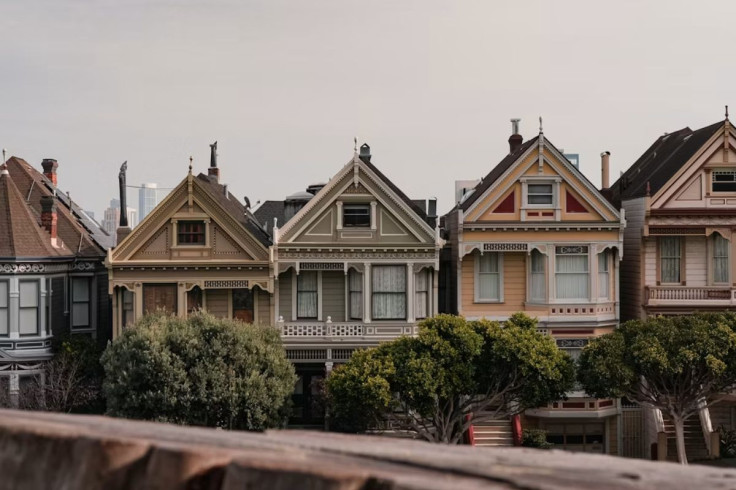
US mortgage rates have surged to 6.66 per cent, their highest level in a year, piling fresh pressure on homebuyers as stubborn inflation and higher oil prices push borrowing costs sharply higher.
Data released on Thursday by Freddie Mac showed a jump from 6.58 per cent the previous week, driven by persistent inflation and rising energy prices linked to ongoing geopolitical conflict.
The increase marks the steepest one-week rise in borrowing costs over the past ten weeks and adds new obstacles for a property market that had briefly seen rates dip below 6 per cent earlier this year.
Navigating the Sudden Spike in US Mortgage Rates
Five months of armed conflict in Iran, which began in February, has disrupted global energy supplies. As crude oil prices climbed, investors grew more concerned that expensive energy would keep inflation well above the Federal Reserve target of 2 per cent.
This macroeconomic unease has pushed up the 10-year Treasury yield, the bond market benchmark that lenders use to price home loans. By midday Thursday, the yield reached 4.66 per cent, up from 3.97 per cent in late February before the war broke out.
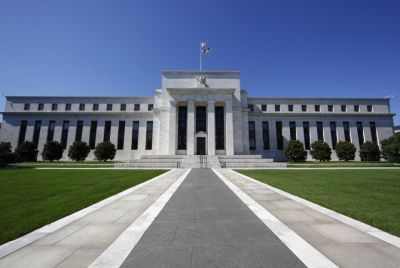
The latest rise in borrowing costs follows a divided decision by the Federal Reserve to leave its benchmark interest rate unchanged. During the central bank monetary policy meeting this week, three regional Fed bank presidents dissented in favour of higher rates to combat inflation, indicating that committee members are no longer in full agreement on how to achieve price stability.
Chairman Kevin Warsh noted that recent market moves might partially be doing the central bank's job. He suggested that higher borrowing rates rippling through the broader economy could help tame inflation naturally, even though the Fed does not directly control them.
'With the Fed signaling that its next move is more likely a hike than a cut, near-term rate relief looks unlikely,' Anthony Smith, a senior economist at Realtor.com, said. He added that a de-escalation and a reopening of the Strait of Hormuz remains the clearest path back toward lower rates.
Under Trump, mortgage rates rise to 6.66%, highest level in a year. https://t.co/UT0Iz2FvuR
— The Lincoln Project (@ProjectLincoln) July 30, 2026
How Mortgage Rates Squeeze the Domestic Housing Market
The upward trajectory of US mortgage rates is already slowing the domestic housing sector. According to data released Wednesday by the Mortgage Bankers Association, mortgage applications fell 6.4 per cent last week compared with the week before.
Requests to refinance an existing home loan dropped by 10 per cent, indicating that many prospective borrowers are pausing their plans as borrowing becomes more expensive.
Higher rates can add hundreds of dollars a month in extra costs for borrowers. Borrowing costs on 15-year fixed-rate mortgages, often used by homeowners looking to refinance, also rose this week to 6.04 per cent from 5.96 per cent.
Seasonally adjusted sales of previously occupied homes rose just 0.7 per cent from January to June compared with the same period last year.
Sales are currently near a 4 million annual pace, below the historic norm of 5.2 million.
While wage growth in most of the country has outpaced home-value growth this year, the rising cost of everyday goods continues to reduce those financial gains.
As Zillow senior economist Kara Ng observed, these daily household expenses are limiting how much buyers can spend on a property.
© Copyright IBTimes 2026. All rights reserved.
- Recommended For You