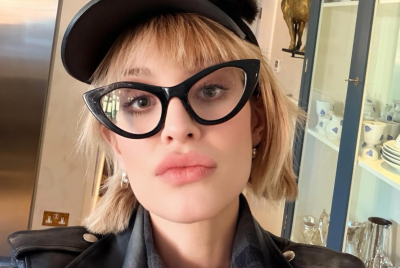
'I Thought I Was a Monster': Woman, 22, Believed She Was a Paedophile for Years Until Her OCD Diagnosis Revealed the Truth
Molly's story has inspired over 1,000 people across all ages to seek help, get diagnosed, and realize they are not alone in their struggles with intrusive thoughts

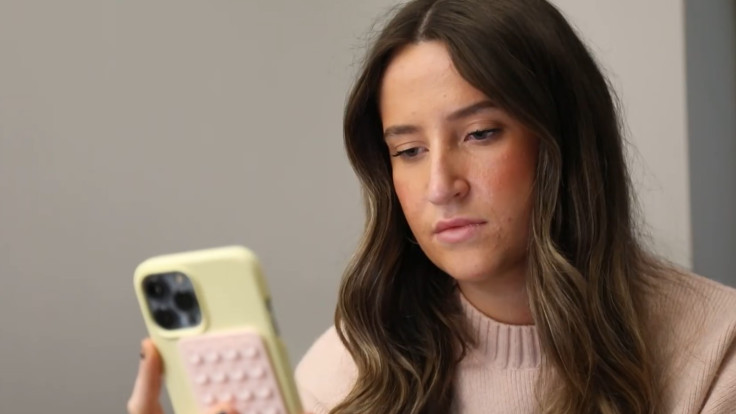
'I thought I was a monster.'
For years, Molly Lambert, 22, lived with a terrifying belief that she was a paedophile, convinced by intrusive thoughts about children she could neither control nor understand. It was only after a diagnosis in 2025 that she finally discovered the truth: she was living with a misunderstood form of obsessive-compulsive disorder.
That clarity changed everything.
What Is P-OCD?
Molly is among the roughly 10% of people with obsessive-compulsive disorder who experience what is often referred to as Pure-O, a subtype where compulsions are largely mental rather than physical.
In her case, that included P-OCD, a form of the condition involving distressing, unwanted intrusive thoughts or images. Crucially, as Molly stresses, these thoughts do not reflect desire or intent.
'It's not being a paedophile – it's that these thoughts exist and your brain latches onto them,' she explains. 'OCD is all about uncertainty. It tells you "what if?" and you can't prove it wrong.'

Living With the Fear
Throughout her teenage years, Molly was plagued by violent and sexual intrusive thoughts that left her questioning her identity and fearing she posed a danger to others.
Each new theme felt like 'the same lie in a different disguise'. The thoughts were vivid, distressing, and constant, but never aligned with who she actually was.
'I would replay thoughts, overanalyse everything, check comments, and second guess myself constantly,' says Molly, a digital PR worker and mental health advocate from Deansgate, Manchester.
Relaxation felt impossible.
'Intrusive thoughts can appear suddenly and feel vivid, I could be thinking about breakfast and suddenly imagine being stabbed.'
The cycle was relentless. Resisting the thoughts caused spikes of anxiety, but engaging with them only made the pattern stronger. Over time, she found herself trapped in what she describes as 'dark spirals' of shame.
'The shame is in how you see yourself,' she adds. 'Even years later, that feeling can linger. When you're figuring out who you are, OCD attacks everything and makes you question your identity.'
A Long Road to Answers

Molly's path to diagnosis was far from straightforward.
She first sought therapy in 2023, which offered some temporary relief. But by 2024, her panic attacks worsened, leading her to try hypnotherapy. It wasn't until August 2025, after seeing a TikTok video explaining P-OCD, that she was formally diagnosed.
Understanding the condition brought clarity, but not instant relief.
'The aftermath of recovery is awful, the shame is still there, just quieter,' Molly says. 'You have to deal with ongoing feelings.'
Breaking the Silence
The turning point came when Molly began to speak openly about her experience.
'Externalising it helped the most. For years I avoided talking about it, but once I did, it felt like the air cleared,' she explains.
Since sharing her story online, she has received more than 1,000 messages from people of all ages who had been silently struggling with similar intrusive thoughts.
'The response has been overwhelming,' Molly says. 'People say they've been crying, that they've felt like this for years and never told anyone.
'Parents have reached out saying they have obsessions about harming their children. Some people said they ended up in psychiatric wards or tried to take their own lives.'
The messages revealed just how widespread, and hidden, the condition can be.
'People don't talk about it, and that makes it worse,' she adds. 'Some messages are from people in their 50s who have been silently suffering their whole lives. It shows how common and hidden it is.'
Experts say intrusive thoughts are far more common than many realise, but stigma and fear often prevent people from seeking help, leaving individuals trapped in cycles of guilt, confusion and isolation.
'It's Your Brain — Not You'
Despite the abuse she has received online, Molly remains determined to help others understand the condition.
Her message is simple but powerful: these thoughts do not define you.
'You have to label it so it loses power,' she explains. 'People want it to stop immediately, but understanding it is the only way.'
By recognising the pattern, she says, sufferers can begin to separate themselves from the thoughts.
'It gives people permission to step back and realise it's their brain – not them being a monster.'
For Molly, that realisation was life-changing.
For years, she believed she was something she feared most. Now, she is using her experience to ensure others don't have to suffer in silence.
© Copyright IBTimes 2026. All rights reserved.
- Recommended For You