British Medics Are Parachuting to Remote Areas to Provide Hantavirus Medical Aid
RAF parachute mission delivers urgent medical aid to isolated island

British military medics have carried out a rare airborne deployment to Tristan da Cunha in the South Atlantic after a suspected hantavirus case linked to a cruise ship outbreak triggered a medical emergency on one of the world's most isolated inhabited islands.
The operation, involving a parachute insertion from an RAF aircraft, delivered urgent medical support, oxygen supplies and diagnostic equipment to a community with extremely limited healthcare access.
The mission marks one of the most unusual UK military medical responses in recent years, reflecting growing concerns over infectious disease risks linked to international travel routes and remote populations.
Emergency Response Triggered by Suspected Case
The deployment was launched after a suspected hantavirus case was reported on Tristan da Cunha, a British Overseas Territory thousands of kilometres from the nearest continent.
The case is believed to be linked to passengers from the cruise ship MV Hondius, which has been associated with a multi-country hantavirus outbreak under international monitoring.
Health authorities raised concerns after a patient on the island developed symptoms consistent with hantavirus following possible exposure during or after the voyage. With no airstrip and reliance on sea access, adverse weather conditions made evacuation and supply delivery by ship impossible.
Officials, therefore, authorised a rapid military medical deployment to stabilise the situation and support the island's limited healthcare capacity.
RAF Operation Delivers Medical Team, Supplies
A team of British Army personnel, including paratroopers and military clinicians, was deployed via an RAF A400M Atlas aircraft and parachuted directly onto the island in what is described as the first UK humanitarian medical parachute insertion of its kind.
The mission included six paratroopers and two medical specialists who delivered around 3.3 tonnes of medical supplies, including oxygen systems, diagnostic kits and critical care equipment for the island's small medical facility.
The Ministry of Defence said the operation was coordinated with local authorities on Tristan da Cunha to ensure immediate integration into ongoing patient care.
Medical Situation on Tristan Da Cunha
The suspected hantavirus patient, a British national who had been aboard the affected cruise ship, was placed in isolation and monitored by local healthcare staff before the deployment arrived. Officials said the patient was in a stable condition at the time of intervention, though further laboratory testing was needed to confirm the diagnosis.
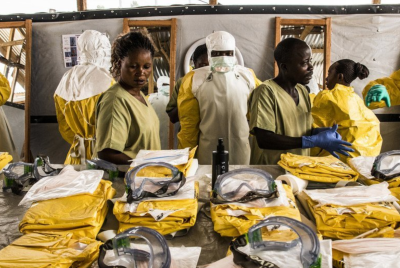
Specialist clinicians were brought in to support monitoring, treatment and assessment of potential complications linked to hantavirus infection. Due to the island's limited medical infrastructure, local authorities depend heavily on external assistance for complex or emergency cases.
Hantavirus Outbreak Linked to Cruise Ship MV Hondius
The wider public health concern stems from an outbreak linked to the cruise ship MV Hondius, where multiple passengers reportedly developed hantavirus infections during or after the voyage. Cases have since been identified across several countries, triggering international surveillance and contact tracing.
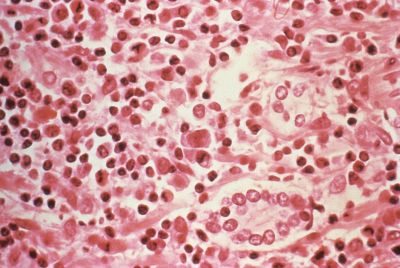
Hantavirus is typically spread through exposure to infected rodents or contaminated environments, though certain strains can in rare cases cause respiratory complications, making early intervention important.
While human-to-human transmission is generally rare, health agencies are still assessing the outbreak to determine the full risk associated with the cruise ship cluster.
Why Tristan Da Cunha Required Airborne Med Support
Tristan da Cunha is widely regarded as the most remote inhabited island in the world, with a population of just over 200 residents. It has no airport, and all access is dependent on sea travel, which can take several days under normal conditions.
During the emergency response period, sea conditions and logistical constraints prevented the timely delivery of medical support by ship. This made aerial deployment the only viable option to ensure rapid intervention.
The island's isolation means that even routine medical emergencies can require international coordination, particularly when infectious diseases are involved or specialist equipment is needed urgently.
Significance of the UK Military Medical Deployment
The operation highlights the increasing role of military logistics in responding to public health emergencies in remote regions. It also underscores the challenges of managing infectious disease risks in isolated communities connected to global travel networks.
Officials involved in the response noted that the combination of airborne deployment, specialist clinicians and rapid supply delivery was designed to ensure continuity of care in an environment where conventional medical support routes are limited or delayed.
© Copyright IBTimes 2026. All rights reserved.
- Recommended For You