

Stanley Baxter, Master of the Lavish TV Entertainment, Dies Years After Revealing Secret Life
The legendary comedian known for his lavish TV shows, impersonations, and comedy skits passed away at 99
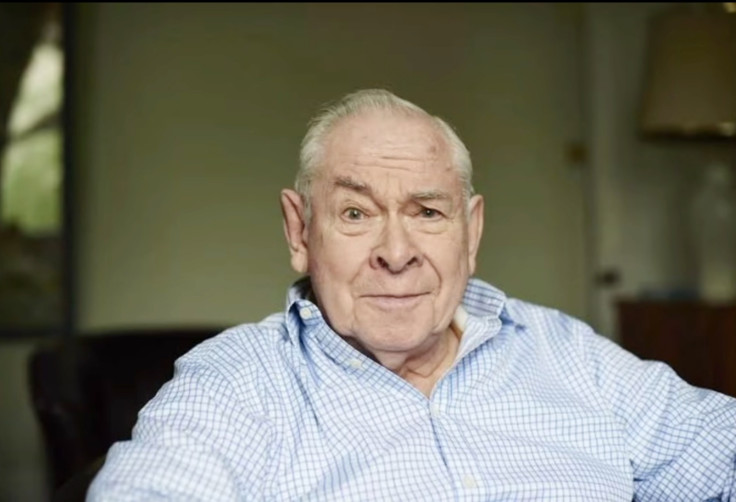
Stanley Baxter, the legendary Scottish comedian and actor lauded for his spectacular TV shows and masterful impressions, has died at the age of 99. Brian Beacom, friend and biographer of the late comedian, confirmed that he passed peacefully on Thursday, 11 December 2025. The Scotsman had been residing at Denville Hall—a London care home for entertainment figures— since late 2023.
Beacom was known for his vibrant parodies and has been an undisputed star of the small screen for decades. However, his later years revealed a secret life he concealed from the public eye since he began his career as a child actor on BBC Scotland in the 1940s. His death marks the departure of one of the 20th century's most brilliantly creative and unique comic minds.
Stanley Baxter - who has died aged 99 - was a true comedy genius of his time.#BeingStanleyBaxter - coming to BBC iPlayer on Hogmanay. https://t.co/yH5lefoqGs pic.twitter.com/5VXUgRTY3l
— BBC Scotland (@BBCScotland) December 12, 2025
Pioneer of Big-Budget Sketch Comedy
Baxter was born in Glasgow in 1926. His father, Fred, was a reserved insurance executive. His mother, on the other hand, enthusiastically supported his initial attempts at impressions and songs, nurturing his theatrical sensibility.
His career was mostly characterised by amazing versatility and a constant pursuit of perfection. He initially honed his skills in the Combined Services Entertainment, the official UK organisation providing live entertainment for British Armed Forces, during his time in the National Service. After which, he became a fixture at the Citizens' Theatre in Glasgow and became a beloved star on the Scottish pantomime scene.
His national breakthrough came in 1959 when he starred in On The Bright Side, a comedy sketch show that made his skit, 'Parliamo Glasgow,' massively popular. This segment about a language lesson that hilariously translated thick Glaswegian slang shot Baxter to fame.
‘Parliamo Glasgow’: Stanley Baxter’s most loved sketch from 1989https://t.co/gBexK7xD6O pic.twitter.com/P8HYMulbKR
— STV News (@STVNews) December 12, 2025
Then again, it was his lavish, primetime television specials, including The Stanley Baxter Picture Show and The Stanley Baxter Series, that solidified his legacy in the British entertainment circuit.
These programmes were monumental undertakings, often taking months to produce. These were the same shows that brought his name multiple British Academy Film Awards (BAFTA) awards.
He was also an iconic one-man cast, famed for his phenomenal ability to mimic dozens of roles. His range spanned from Hollywood personalities to spot-on parodies of figures like the Pope and Queen Elizabeth II, the latter of which earned him the nickname 'The Duchess of Brendagh.' This masterful impersonation, supported by his meticulous attention to costume, make-up, and vocal dexterity, established him as a powerhouse in British comedy.
Stanley Baxters death is hard for those seeking to explain his magnitude. Theres no one with who to compare him for younger people.
— Danny Baker (@prodnose) December 12, 2025
No M&W, Ronnie Barker, Dick Emery, Benny Hill - no equivalent entertainer.
We have presenters & stand ups now but nothing on TV like Stanley Baxter pic.twitter.com/IVsTyi4qW7
Unmasking The Private Man Behind the Public Persona
In stark contrast to the lively nature of his performances, Baxter retreated from the public eye, shunning interviews and talk show appearances. This reluctance to engage was due to a deep secret he managed to conceal for most of his life.
In 2020, at the age of 94, the legendary comedian authorised the publication of his biography, The Real Stanley Baxter, which revealed his long-guarded secret: he was gay. In a candid confession, he said his wife, Moira Robertson, knew about his sexuality even before they got married in 1951.
The Goodies (1st October 1971). The Super Chaps Three are hunting for the Loch Ness Monster - en route they seek the advice of a travel agent (Stanley Baxter). pic.twitter.com/OE2LLkcQhR
— archivetvmusings (@archivetvmus71) October 1, 2025
The Social and Legal Climate of the 1950s
Baxter's decision to marry Robertson was a product of his time. He explained that he could not come out because homosexual acts were illegal in the UK in that era. In the biography, Baxter said he had been living a very difficult life–he got married just to conform to the expectations of society and avoid legal complications.
And while his marriage lasted until Moira died in 1997, they lived apart for the last two decades. He revealed that his wife, though upset at first, eventually allowed him to bring men home while they were still together. Baxter had a long-term male partner as well, but he lost his partner, Marcus, in 2016. In his biography, he said he never wanted to be gay and still did not.
'There are many gay people these days who are fairly comfortable with their sexuality,' Baxter stated in the book. 'I'm not. I never wanted to be gay. I still don't. Anyone would be insane to choose to live such a very difficult life. The truth is, I don't really want to be me.'
We're saddened to hear that Scottish actor and comedian Stanley Baxter has died aged 99.
— BAFTA (@BAFTA) December 12, 2025
Baxter starred in a string of TV comedy shows including the BAFTA-winning The Stanley Baxter Series and The Stanley Baxter Big Picture Show. He received an Outstanding Contribution to Film &… pic.twitter.com/f3MR1586pv
© Copyright IBTimes 2026. All rights reserved.