

University Study Reveals Packaging Makes Non-Alcoholic Beers More Expensive Than They Should Be
Research highlights pricing disparities in alcohol-free and low-alcohol beverages
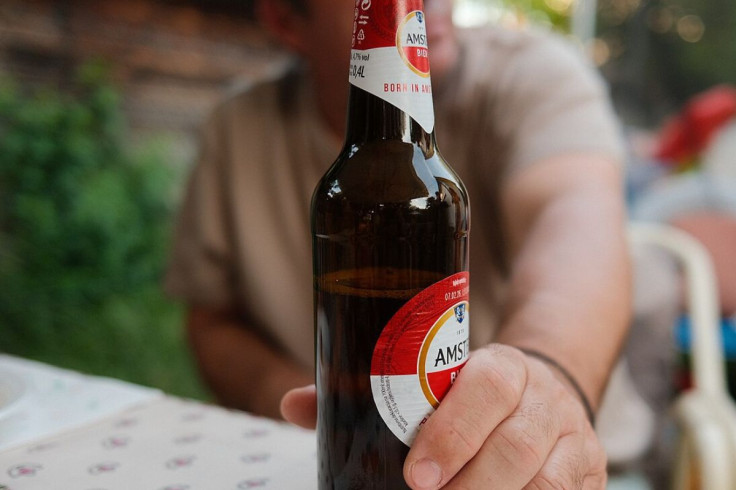
Consumers who pick alcohol-free and low-alcohol beers and ciders are often paying more than they should because the drinks are rarely sold in large multipacks that offer bulk savings, a University of Sheffield study has found.
Researchers from Sheffield's Addictions Research Group (SARG) say no/lo drinks are cheaper than standard alcoholic versions when bought individually, but lose much of that price advantage when people stock up.
Through the first eight months of 2026, US companies have announced nearly 530,000 job cuts. That is 41 per cent lower than the total recorded during the same period last year and the lowest eight‑month figure in four years.
Smaller Packs Reduce Savings
On average, no/lo beers were 19 per cent cheaper than standard beers, while no/lo ciders were 27 per cent cheaper. Of the 52 no/lo products examined, 49 were cheaper than their standard alcoholic counterparts.
However, 53 per cent of standard beers are sold in multipacks containing eight or more cans or bottles, while no/lo beers are largely limited to smaller pack sizes.
Buying standard beer in larger multipacks saves an average of 30 per cent compared with buying individual products or smaller packs. No/lo beer multipacks, by comparison, provide a maximum average saving of 12 per cent. For no/lo ciders, the difference can remove the entire price advantage, leaving them at similar prices to regular cider.
The study, published in the journal Addiction and funded by the National Institute for Health and Care Research (NIHR), compared 52 no/lo products with standard-strength alternatives from the same brands.
Researchers also found that some of the best-selling no/lo beers are marketed as premium products rather than cheaper alternatives.
Dr Abigail Stevely, the study's lead author, said the smaller savings available on no/lo products could make consumers less likely to switch to them.
Professor John Holmes said affordability was also an equity issue because alcohol-related harm is concentrated among lower-income and more deprived groups.
The researchers found there is insufficient evidence to show that simply reducing the price of no/lo drinks would lower alcohol consumption across the population. They said increasing the price of cheap alcohol and restricting its marketing and availability would be more effective in reducing alcohol-related harm.
No/Lo Market Continues To Grow
The UK no/lo market has expanded rapidly in recent years. Sales reached £362 million in 2023, more than double the figure recorded in 2020. By 2023, one in three UK adults had consumed a no/lo drink in the previous year, while 74 per cent of licensed pubs, bars and restaurants stocked them.
Most no/lo buyers continue to drink alcohol. Around 96 per cent of households that purchase no/lo products also buy standard alcoholic drinks. No/lo drinks are increasingly being used to reduce alcohol intake.
Across England, Wales and Scotland, the proportion of adults using them for this purpose increased from 35 per cent in 2020 to 44 per cent in 2024.
The increase has been concentrated among risky and high-volume drinkers. Young people aged 16 to 25 in Great Britain remain three times more likely to start drinking standard alcohol than no/lo alternatives.
Alcohol Harm Continues To Cost Billions
Despite the shift towards healthier options for some drinkers, alcohol consumption continues to impose heavy costs. Binge drinking and alcohol-related harm are estimated to cost the UK economy around £20 billion a year.
About 17 million working days are lost annually because of hangovers and drink-related illness. The estimated cost to employers is £6.4 billion, while alcohol-related costs to the NHS are put at £2.7 billion.
Around 20 per cent of the UK population, or approximately 10.4 million people, are now completely teetotal. The trend is particularly pronounced among younger generations.
Although packaging drives up the relative cost of no/lo drinks, SARG found insufficient evidence that lowering their prices would reduce alcohol consumption in the UK.
Instead, the researchers advise increasing the price of cheap alcohol, through measures such as Minimum Unit Pricing or strength-based taxation, alongside tighter restrictions on alcohol marketing and availability.
© Copyright IBTimes 2026. All rights reserved.