Think Twice Before Taking Pills With Bottled Water: New Study Finds It Could Affect How Some Medicines Work
New research reveals how alkaline bottled water may alter the effectiveness of enteric-coated medicines.
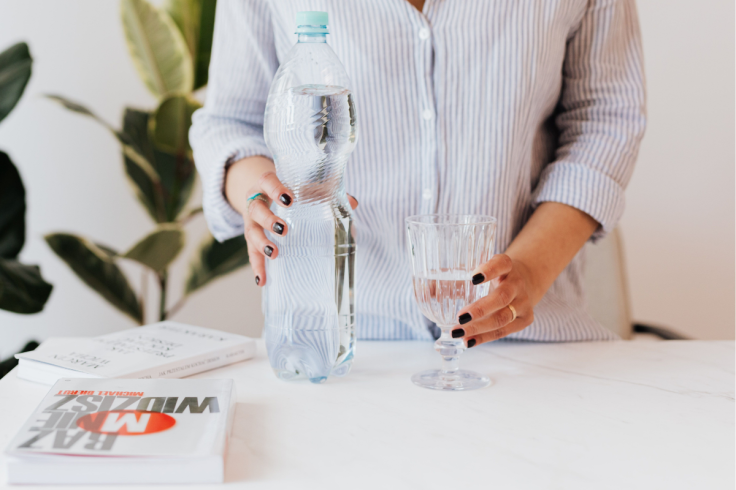
Most people don't think twice about what's in their glass when they take medication. They swallow a tablet with bottled water and get on with their day.
But new research suggests that, for some medicines, the type of drink you choose could affect how the medication works.
A study led by Dr Adrienn Demeter of Semmelweis University's Faculty of Pharmaceutical Sciences found that certain bottled waters, particularly alkaline varieties with high mineral content, may cause some enteric-coated medicines to break down too early.
If you've been reaching for bottled water because you assumed it was the healthier option, the findings may come as a surprise.
Why Some Pills Have a Protective Coating
The research focused on enteric-coated medicines, which are specially designed to survive the acidic environment of the stomach.
Rather than releasing their active ingredient immediately, these tablets remain intact until they reach the intestine, where the coating dissolves and the medicine can be properly absorbed.
Enteric coatings are commonly used on medicines for conditions including acid reflux, gastroprotection, inflammatory pain and some psychiatric disorders.
To investigate whether different drinks affected this process, researchers tested 22 common beverages before analysing seven in greater detail, including tap water, filtered water, mineral waters and apple juice.
Alkaline Bottled Water May Affect Some Medicines
The biggest changes occurred when enteric-coated tablets were exposed to alkaline bottled waters with high mineral content.
In some tests, the protective coating began to deteriorate within just five minutes. After 15 to 30 minutes, more than 90% of the active ingredient had been released prematurely.
That matters because these medicines are designed to release their contents later in the digestive system. If the coating breaks down too early, the medication may not behave as intended.
Researchers believe the higher pH and mineral content of some alkaline bottled waters may accelerate the breakdown of the coating.
That doesn't mean alkaline or mineral water is generally harmful. Instead, the findings suggest these drinks may not be the best choice for certain enteric-coated medicines.
Is Tap Water the Better Option?
Among the beverages tested, plain tap water produced the most consistent results.
Most tablets retained the integrity of their protective coating when taken with tap water. Apple juice, which is naturally more acidic, also caused very little premature release during the early stages of testing.
The researchers therefore suggested that pH-neutral or slightly acidic drinks may be more suitable for these medicines, while recommending caution with highly alkaline mineral waters.
However, the findings apply specifically to enteric-coated medications. They do not mean everyone should immediately change how they take all prescription or over-the-counter medicines.
Many Medicine Labels Don't Say What to Drink
One of the study's most surprising findings was how little guidance patients often receive.
Researchers reviewed the official product information for 103 enteric-coated medicines. They found that 42 gave no advice about which liquid should be used, while another 31 simply recommended taking the medicine with 'liquid'. Only 21 specifically mentioned water, and just nine gave detailed instructions about which beverage should be used when swallowing or mixing the medication.
That lack of guidance could create confusion, particularly for people who assume any drink is suitable.
The issue may be especially relevant for people who struggle to swallow tablets. Some patients open capsules or mix medicines into yoghurt, applesauce or drinks to make them easier to take, but doing so can sometimes alter how the medication performs.
Previous research has also suggested that around 40% of American adults have difficulty swallowing pills, with children and older adults particularly affected.
Don't Change Your Routine Without Asking First
The findings are not a reason to panic or stop drinking bottled water. Nor do they suggest that mineral water is unsafe.
Instead, they highlight something many people rarely consider: what you drink with certain medicines can sometimes make a difference.
For enteric-coated medications, plain tap water appears to be a sensible choice based on the new findings. If you're unsure how to take a particular medicine, however, it's best to speak to a doctor or pharmacist before changing your routine.
Likewise, if you're thinking about crushing a tablet, opening a capsule or mixing medication into food because swallowing is difficult, seek professional advice first.
The safest approach remains surprisingly simple: follow the instructions that come with your medication and, if you're unsure, ask a pharmacist. When it comes to some medicines, even something as ordinary as what's in your glass could matter.
© Copyright IBTimes 2026. All rights reserved.
- Recommended For You