Thailand Scraps 60-Day Visa-Free Stays for Brits Amid Foreign Crime Crackdown
Officials believe reverting to a 30-day limit will cause minimal disruption, targeting higher-spending tourists who respect local laws
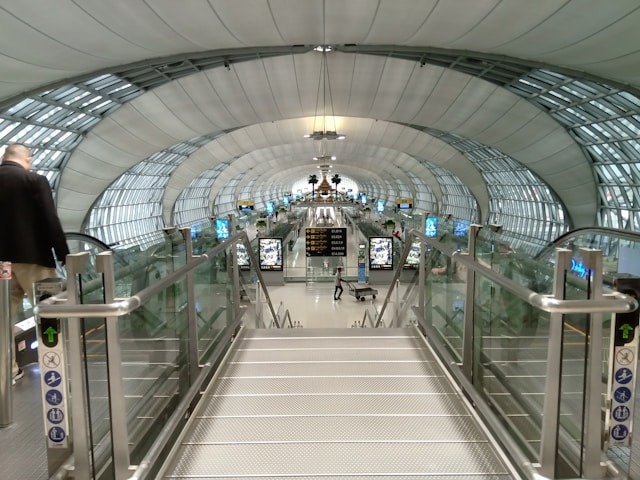
British tourists planning extended winter sun getaways to Thailand face major disruption after the Thai Cabinet axed its generous 60-day visa-free entry scheme.
The popular Southeast Asian destination has chosen to roll back the entry privileges for 93 countries, including the UK, in response to a surge in illegal foreign businesses and transnational crime syndicates operating on its shores.
The End of the Two-Month Holiday
The policy reversal marks a sudden end to an initiative introduced in July 2024 that allowed travellers from more than 90 nations—including the UK, the United States, Israel, and the Schengen area of Europe—to stay for up to two months without a visa.
Under the newly approved framework, the Thai government is reverting to its previous 30-day cap, dealing a heavy blow to British digital nomads and long-stay holidaymakers.
According to Thai PBS World, the country's Visa Policy Committee will now review entry arrangements on a country-by-country basis.
While British passport holders are expected to revert to standard 30-day stays, Tourism and Sports Minister Surasak Phancharoenworakul warned that certain nationalities could see their visa-free windows slashed even further to just 15 days.
Fighting the Foreign Crime Wave
The drastic shift in policy follows growing panic within Thai law enforcement over the sheer scale of illicit activities being conducted by long-staying foreigners.
Officials revealed that international criminal rings have systematically exploited the 60-day loophole, entering the country under the guise of casual holidaymakers only to establish unauthorised roots.
As reported by Al Jazeera, authorities have carried out a series of high-profile raids targeting illegal nominee-owned companies, drug trafficking networks, and human smuggling syndicates.
Foreigners have also been caught setting up illicit, locally operated businesses, including hotels and language academies, without the necessary legal permits or work visas.
Security services have linked the extended visa scheme to a dramatic rise in sophisticated call-centre scams that use resort towns as safe havens.
Foreign Minister Sihasak Phuangketkeow clarified that while the measures do not target any specific nationality, the government has an obligation to stop criminals from evading law enforcement by exploiting the immigration system.
Prioritising 'Quality' Over Cash
The decision represents a U-turn for Thai policymakers, who initially extended the visa-free period to 60 days to supercharge a sluggish post-pandemic economic recovery.
Tourism remains a critical backbone of the country's economy that accounts for over 10 per cent of its gross domestic product (GDP).
However, immigration statistics indicate that the extended-stay offer did not deliver the financial windfall ministers had originally hoped for. Data compiled by the Ministry of Tourism and Sports reveal that the average international tourist stays in the country for just nine days.
Officials believe that reverting to a 30-day limit will cause minimal disruption to the main holiday market. Speaking to reporters in Bangkok, Minister Surasak emphasised that the state intends to pivot away from a fixation on raw arrival numbers, focusing instead on attracting higher-spending 'quality tourists' who respect local laws.
What This Means for British Tourists
For the roughly one million British citizens who jet off to Thailand each year, the decision introduces a layer of bureaucracy that has been absent for the past two years.
Holidaymakers who wish to stay in the country beyond the standard 30-day limit will now be required to apply for a formal visa before departure or seek local immigration extensions.
According to Euronews, travel industry experts are advising tourists to review their itineraries immediately, particularly if they have booked multi-week regional tours or extended winter retreats.
Government spokesperson Rachada Dhanadirek reiterated that while tourists' economic contributions are highly valued, national security considerations must take precedence.
British travellers are urged to keep a close eye on official circulars from the Thai Embassy, as the implementation date for the strict new entry ceilings is expected to be announced in the coming weeks.
© Copyright IBTimes 2026. All rights reserved.
- Recommended For You