US Flight Chaos Intensifies as $11B Fuel Spike and Staffing Gaps Force Massive Airline Schedule Cuts
With less than 60 days until the World Cup, TSA faces staffing shortages and record delays, risking chaos during the busy travel period

US air travellers face the worst spring flight chaos in years as three separate crises collide at airports nationwide, forcing thousands of delays, a crumbling airport security workforce, and an Iran-war fuel shock that is pushing airlines to slash routes.
Delays Cascade Across Major US Hubs
The US aviation system recorded more than 3,000 delays and 105 cancellations on Tuesday, with San Francisco International Airport leading the disruption after the Federal Aviation Administration (FAA) imposed weather-related traffic restrictions. SFO alone logged 475 delays and 69 cancellations, according to FAA data and FlightAware tracking.
Hartsfield-Jackson Atlanta, Boston Logan, and John F. Kennedy International followed as the worst-hit hubs, with spillover reaching Houston, San Diego, and Indianapolis. SkyWest, United, Southwest, American, and Delta carried the bulk of the cancellations. American and SkyWest have posted the highest disruption volumes throughout the spring peak.
TSA Staffing Collapse Drives Security Gridlock
Security lines are the hidden accelerant. The Department of Homeland Security (DHS) ran out of funding on 14 February, leaving Transportation Security Administration (TSA) officers working without pay for weeks.
With the World Cup countdown now under 60 days, the agency is running out of time to stabilize.
McNeill confirmed that more than 480 officers have quit since the February funding lapse, and because training new recruits takes four to six months, any hiring surge now will not be operational until well after the tournament ends.
Testifying before Congress in late March, acting TSA administrator Ha Nguyen McNeill described the current delays as the highest wait times in the agency's history. 'We are facing a potential perfect storm,' she warned, noting that the agency projects 6 to 10 million additional travelers for the World Cup.
A late-March executive order from President Donald Trump directed DHS to pay TSA officers from existing funds, but union figures say the structural damage is done. New recruits need four to six months of training before they can staff checkpoints.
The Iran War Fuel Shock Travellers Don't See
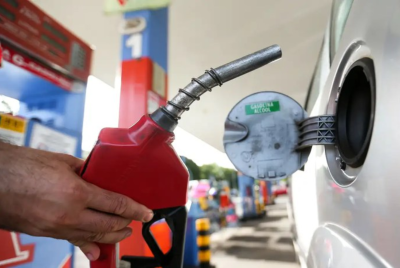
The third crisis is buried inside ticket prices. A US naval blockade of the Strait of Hormuz, imposed after the 28 February strikes on Iran, has effectively closed the waterway that carries roughly 20% of global oil supply. US jet fuel prices have nearly doubled from $2.50 (£1.85) a gallon before the war to $4.88 (£3.61) by early April.
United Airlines chief executive Scott Kirby warned staff in March that sustained prices would add $11 billion (£8.1 billion) to the airline's annual fuel bill. 'In United's best year ever, we made less than $5 billion (£3.7 billion),' Kirby wrote. United has cut about 5% of planned flights over the next six months.
Air Canada will suspend its JFK service from 1 June to 25 October to reduce fuel costs, the carrier said. Delta absorbed an extra $400 million (£296 million) in March fuel costs alone. Cathay Pacific, AirAsia, Thai Airways, and Qantas have raised fares or added surcharges.
The World Cup Pressure Point Is Weeks Away
The International Energy Agency estimates Europe has roughly six weeks of jet fuel supplies left. Kpler analyst Matt Smith said relief would not arrive 'until at least July, and even that may be optimistic.'
Newly hired TSA officers will not be operational until after the World Cup ends, McNeill told Congress. Last-minute US fares to Caribbean destinations are already up 74% on some routes, and transcontinental summer bookings now average $414 (£306), up from $167 (£124) before the war.
For millions of Americans boarding flights this week, the chaos at the gate and the fare on the ticket both trace back to the same three crises, and none is ending soon.
© Copyright IBTimes 2026. All rights reserved.
- Recommended For You