

Is This a Modern Opium War? Why Trump Is Militarising Fentanyl With a WMD Label
Trump militarises the fight against fentanyl trafficking, similar to China's opium war
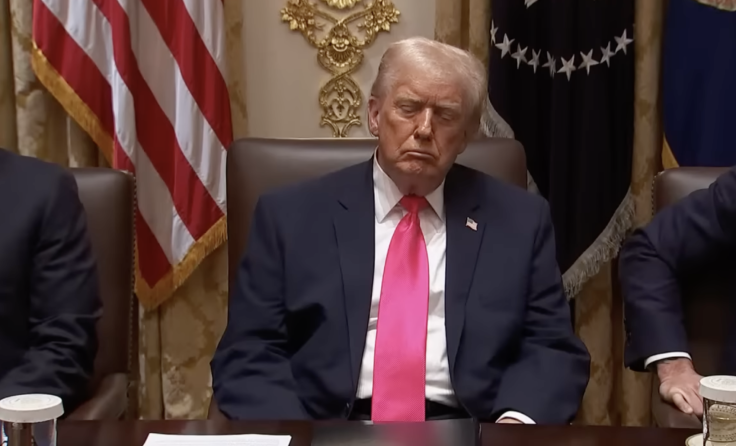
US President Donald Trump's push against fentanyl intensifies as he declared it and its main precursor chemicals as 'Weapons of Mass Destruction' or WMD, which had been used to declare nuclear-level threats in the early times.
In an executive order dated Dec. 15, the administration cited the extreme danger of the drug, labelling it 'a chemical weapon closest to a narcotic'. It stated that just two milligrams — equivalent to 10 to 15 grains of table salt — is enough to kill a person. Beyond concerns over fentanyl use, Trump has other major reasons for seeking to remove it from American streets.
Why Trump is Fighting Fentanyl
In a fact sheet released by the White House, Trump highlighted the devastating impact on Americans, noting that 'hundreds of thousands of Americans have died from fentanyl overdoses'.
The order also emphasises that fentanyl production and distribution are key drivers of organised crime and terrorism. Trump asserted that these criminal networks not only supply opioids to users but also fund global and domestic violence through their profits.
According to the order, the cartel responsible for most fentanyl use in the US 'engage in battles with one another over territory and to protect their operations, involving heavy fighting and casualties that extend beyond the immediate threat posed by fentanyl itself'.
How Fentanyl Trafficking is Described
Any illegal fentanyl refers to fentanyl that is made, sold, or possessed unlawfully in the US, while the 'core precursor chemicals' are the ingredients used to produce the drug.
Trump clarified that the order does not grant anyone new rights or special privileges. It will be implemented in accordance with the law and existing budgets, with the Department of Justice covering the costs of its publication.
The order also makes clear that ordinary US citizens should not attempt to handle fentanyl themselves. They must not touch it with bare hands or try to dispose of it and should instead contact local authorities to safely collect and remove it.
Militarising Fentanyl in the U.S. and the Opium War Similarities
The executive order lays out a roadmap for US agencies, including the military, to combat fentanyl trafficking. The Attorney General is tasked with 'deciding on rapid investigations and prosecutions of fentanyl trafficking, using criminal charges, sentencing enhancements, and sentencing variances as appropriate'.
The secretaries of state and treasury are authorised to use their powers to disrupt and complicate the financial networks supporting fentanyl traffickers. The Department of War, with support from the Department of Justice, can provide resources for law enforcement, while the military will update its chemical incident response plans to address the fentanyl threat.
The order treats fentanyl as a violent crime on a par with terrorism, drawing parallels with the 19th-century Opium Wars. In that period, China struggled to curb opium distribution and addiction, with foreign powers profiting heavily. Similarly, fentanyl is becoming a major problem as cartels and criminal organisations profit from its production and trafficking.
Using WMD intelligence, the Secretary of Homeland Security will investigate fentanyl-related threat networks to support counter-fentanyl operations. Trump has argued that the drug could be 'weaponised for concentrated, large-scale terror attacks'. By declaring it a WMD, he aims to 'ensure the full weight of the federal government is focused, coordinated and mobilised to confront fentanyl as the deadly chemical weapon it is'.
© Copyright IBTimes 2026. All rights reserved.