Majority 'Strongly' Disapprove of Trump as Voters See GOP as More Corrupt Ahead of Midterms, Poll Finds
The New York Times/Siena survey shows Democrats leading among likely voters while cost-of-living concerns weigh on Trump and Republican prospects ahead of the midterms

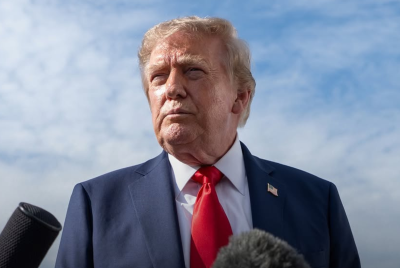
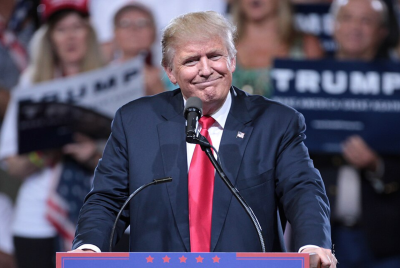
US President Donald Trump is facing an unprecedented political storm after a national poll found his overall job approval rating has plummeted to 38%, with a majority of likely voters strongly disapproving.
Released less than 50 days before the high-stakes 3 November midterm elections, the comprehensive New York Times/Siena University survey highlights severe voter backlash across key demographic groups.
Beyond the president's personal numbers, the survey indicates that the Republican Party is increasingly branded by the electorate as 'extreme, elitist, and corrupt'.
The latest survey also found 52% of voters strongly disapproving of his job performance, the first majority to do so in a Times/Siena poll during his second term.
Likely voters also favoured the Democratic candidate in their Congressional district by 51% to 43%, according to Siena Research Institute.
Republicans Seen as More 'Extreme' and 'Corrupt'
The warning signs for Republicans extended beyond Trump personally. Respondents were more likely to describe the Republican Party than the Democratic Party as 'extreme', 'elitist' and 'corrupt', according to the poll. Voters also said by an 11-point margin that they would prefer Democrats to control Congress after November's elections.
However, voters remained sceptical of Democrats in other areas. Half described the party as too far to the left, up from 47% earlier this year, while 51% held an unfavourable view of socialism.
The poll therefore points to dissatisfaction with both parties, even as Democrats currently lead on several measures.
Cost of Living Becomes Trump's Weakest Issue
Economic frustration appears to be contributing to Trump's weak ratings. Only 28% of voters approved of his handling of the cost of living, while just 14% said the economy was better than it had been a year earlier. In January, 31% had said economic conditions had improved.
Even among Republicans, perceptions of the economy have deteriorated sharply. The share saying it was better than a year earlier fell from 72% in January to 29% in the latest survey.
Voters also said they trusted Democrats over Republicans on the cost of living by 51% to 43%, immigration by 52% to 45% and healthcare by 60% to 36%.
Independent voters were particularly dissatisfied. Only 27% approved of Trump overall, while 57% said they planned to support a Democrat for Congress and 34% backed a Republican.
Iran War Adds to Republican Pressure
Trump's handling of the Iran war is another drag on his ratings. More than three-quarters of independents disapproved of his management of the conflict, as did nearly one-quarter of people who voted for him in 2024.
The war has also contributed to higher fuel prices. Reuters reported on Wednesday that the national average for regular petrol had reached $4.33 a gallon on Tuesday, adding to voter concerns about affordability.
Trump has rejected the negative economic picture, declaring at last week's Republican convention in Dallas that his presidency had produced extraordinary financial success. He has also urged Republicans to 'pretend that I'm on the ballot' as he campaigns for GOP candidates ahead of 3 November.
The findings also suggest that Republicans are entering the final stretch of the campaign with challenges extending beyond the president's personal approval rating. Voters' views of the party's image, economic stewardship and handling of major policy issues could all shape the environment facing candidates in competitive districts.
The poll does not determine how November's races will end. District boundaries, individual candidates and state-level contests can produce results very different from a national survey. But with the elections approaching, the findings show Republicans confronting dissatisfaction not only with Trump, but also with how voters currently view the party itself.
With economic frustrations mounting, soaring petrol prices linked to the ongoing Iran conflict, and deep-seated anxiety over the cost of living, likely voters favour Democratic congressional candidates by 11 points. As Republican strategists scramble to protect a narrow congressional majority, the devastating polling data exposes deep vulnerabilities that threaten to reshape the balance of power in Washington.
© Copyright IBTimes 2026. All rights reserved.
- Recommended For You