TikTok and X Reject Elon Musk Documentary Trailer Ads Featuring 2024 Trump Rally Scenes Over Political Content
Trump footage sparks a fierce ad war as Musk's own X faces pressure over the documentary's explosive free-speech challenge
A few seconds of Donald Trump on the 2024 campaign trail have triggered an advertising dispute around Alex Gibney's documentary about Elon Musk, putting political-content rules, free speech and Musk's own social-media empire in the same story.
Bleecker Street, the US distributor of 'Musk', initially found its paid trailer ads rejected by TikTok, X, YouTube and Meta. YouTube and Meta have since reversed their decisions, leaving TikTok and X as the two platforms still not running the ads.
Trump Rally Footage Sparks Controversy
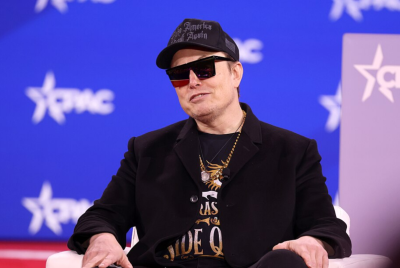
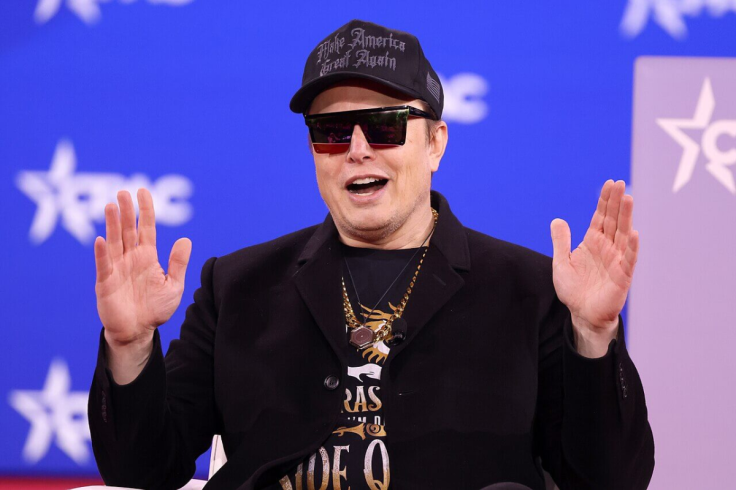
The trailer contains a shot of Musk at a 2024 Donald Trump campaign rally and refers to the 2024 US presidential election.
That was enough for YouTube, TikTok and Meta to raise concerns about political content when Bleecker Street submitted the trailer as a paid advertisement.
Will X allow ads for the trailer for my film “Musk,” about the self-proclaimed “free-speech absolutist?” https://t.co/cnN8g1Qf3a
— Alex Gibney (@alexgibneyfilm) September 26, 2026
The dispute is striking because the trailer promotes a documentary, not a candidate's campaign. The political material appears as part of the film's examination of Musk's relationship with Trump and his rise as a major political figure.
TikTok prohibits paid political advertising, while Meta restricts such advertising in markets including the European Union. YouTube allows certain political advertising subject to its rules and disclosure requirements.
YouTube and Meta Reverse Their Decisions
The advertising row shifted rapidly after the initial reports.
YouTube said its system had temporarily restricted the trailer when it was submitted as an ad, but that a subsequent review cleared it to run.
Meta was even more direct. A spokesperson said the rejection was 'an error' and that the ads were being restored.
TikTok, however, was still not running the advertisement as of 28 September, according to reporting on the dispute.
X Faces a Free-Speech Showdown
The most awkward platform in the story is X, because Musk owns it.
The platform reportedly refused to discuss the documentary with Bleecker Street and has also declined advertising for the distributor's other upcoming films. X has not publicly given a reason for its decision.
That has given Gibney an opening.
After YouTube and Meta reversed their decisions, the filmmaker said public pressure had worked, then declared: 'The censorious platforms backed down.'
Gibney also revived Musk's own previous description of free speech as the 'bedrock of a functioning democracy' and Twitter as a digital town square.
The exchange lands directly on one of the documentary's central subjects, Musk's ownership of Twitter, now X, and his influence over online conversation.
Musk Calls the Film a 'Hit Piece'
Musk and Gibney have been at odds since the documentary was announced.
Musk has repeatedly described 'Musk' as a 'hit piece' and has attacked Gibney publicly. His lawyer, Alex Spiro, also threatened legal action over claims examined by the film, including material concerning Starlink and the 2024 election.
The Starlink issue is among the film's more contentious subjects. Gibney examines allegations and questions about whether Musk's control of the satellite network could have been used to influence the 2024 election.
Spiro has disputed that implication, including claims connecting Starlink to vote tabulation. Election officials and fact-checkers have also rejected claims that Starlink manipulated 2024 vote counts.
Why the Documentary Ad Matters
'Musk', which runs for nearly four hours, premiered at the Venice International Film Festival in September and is scheduled for a US theatrical release on 9 October.
Directed by Oscar-winning filmmaker Alex Gibney, the documentary examines Musk's businesses, political influence, relationship with Trump, ownership of X, and personal life. Musk did not participate in the film.
Now the film's own advertising campaign has become part of that story.
A trailer containing a brief Trump rally clip was initially caught by political-content restrictions on several major platforms. YouTube and Meta have since cleared the ads, while TikTok and X remain outliers.
For a documentary examining Musk's influence over technology, politics and the digital public square, the advertising dispute has created an unusual twist: the battle over who gets to control the conversation has become part of the conversation itself.
© Copyright IBTimes 2026. All rights reserved.
- Recommended For You