

Trump Threatens Federal Contractors With 'Corporate Death Penalty' for Sharing Information With Congress
The order requires contractors to notify the administration before responding to Congress
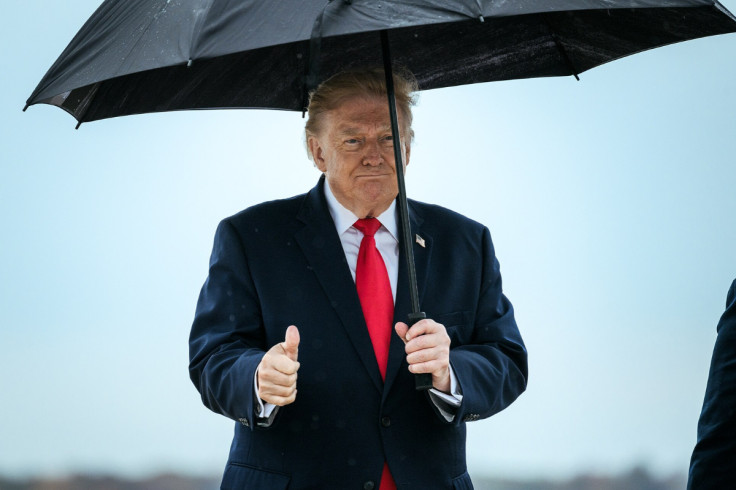
President Donald Trump has ordered federal contractors and subcontractors to notify the White House and relevant agencies whenever Congress requests information about their work with the executive branch. Companies must also follow instructions to withhold communications deemed protected by executive privilege.
Signed on 20 November, the order takes effect immediately. Contractors that fail to comply could face contract termination, suspension or debarment, which can prevent them securing future federal work. Agencies must consider any penalties in line with applicable law.
The move comes as Democrats prepare to take control of the House in January 2027. Jessica Tillipman, a government procurement law expert, has described debarment as the 'corporate death penalty' because it can cut off a company's future government revenue.
What the Executive Order Requires
Contractors must notify the White House and contracting agencies of any pending or future congressional request concerning their communications or work with the executive branch. It also covers subcontractors, whose compliance must be ensured by prime contractors.
Companies must follow instructions to withhold communications that the White House or relevant agencies have determined are protected by executive privilege. The order does not prohibit every disclosure to Congress, but the notification requirement also applies to requests for information that is not privileged.
The order applies to all federal contractors, not only those handling sensitive material. Agencies are also directed to coordinate with the White House and contractors when deciding how to respond to congressional requests. The Office of Management and Budget is responsible for issuing compliance guidance.
Why the White House Says It Is Necessary
The administration argues the rules will protect confidential executive branch information shared with contractors and prevent uncoordinated responses from creating duplicate legal disputes and unnecessary costs.
The order says congressional requests should have a valid legislative purpose and allow the executive branch to assert relevant privileges. The White House has accused some congressional leaders of seeking sensitive information and harassing private companies working for the federal government.
The timing has drawn scrutiny because Democrats are expected to investigate government contracts, including deals involving companies linked to Trump's family, after taking control of the House.
Legal Concerns Over Congressional Oversight
In a 23 November commentary for Government Executive, Tillipman argued that the order could put contractors in a difficult position. They may risk losing government business if they respond to Congress without notifying the administration, but could face contempt proceedings if they withhold information covered by a valid subpoena without a lawful privilege claim.
Tillipman cited the Supreme Court's 1957 ruling in Watkins v. United States, which recognised Congress' authority to investigate government departments for corruption, inefficiency and waste. She also raised First Amendment concerns, citing the 1996 ruling in Board of County Commissioners v. Umbehr, which recognised free-speech protections for independent government contractors.
The order relies on the Federal Property and Administrative Services Act, which gives the President procurement powers to promote economy and efficiency. Its legality has not yet been tested in court. Contractors may nevertheless feel pressure to comply with agency instructions while any legal challenge is unresolved, given the potential consequences for existing and future federal work.
© Copyright IBTimes 2026. All rights reserved.