Trump Administration Set to Receive $10B From TikTok Deal: Netizens Say It's 'Shameless Corruption'
The controversial $10B TikTok fee has shifted attention from national security to political gain, sparking debate over government influence, corporate oversight and the app's future in the US.
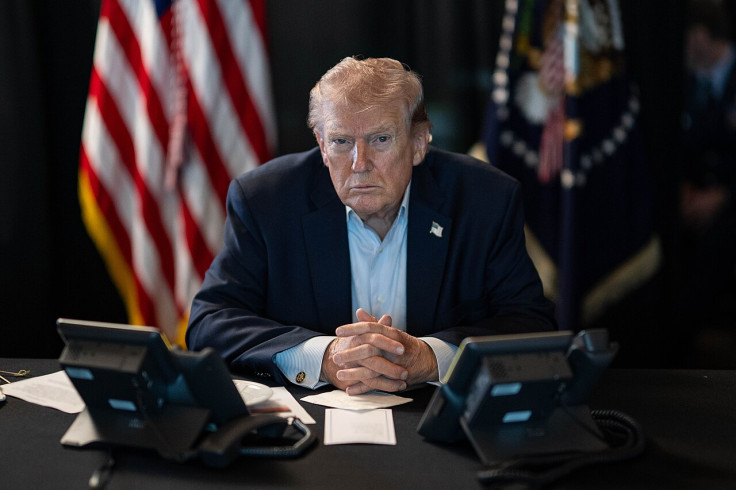
The Trump administration is reportedly set to pocket $10 billion from the US sale of TikTok, a revelation that has sent shockwaves through social media. Critics have described it as 'shameless corruption', with the controversy fuelling a wider debate over whether political influence is being monetised under the guise of national security.
For years, the TikTok sale in the US was framed as a security necessity. American officials warned that ByteDance, TikTok's Chinese parent company, could potentially access the data of more than 150 million US users.
The sudden spotlight on the $10B fee is shifting the conversation from privacy concerns to financial gain, prompting questions over whether this represents a government-sanctioned windfall disguised as policy.
How the Trump TikTok Deal Works
The $10B TikTok deal reportedly allows the US government to collect a substantial fee as part of ByteDance's efforts to restructure its US operations. While the mechanics remain somewhat opaque, financial experts note that direct payouts from private tech sales to a sitting administration are almost unheard of. Typically, governments are involved in regulation, licensing, or fines, not taking a cut of a corporate transaction.
This arrangement has fueled accusations of political cronyism. Observers abroad are watching closely, questioning whether this sets a dangerous precedent where US government approval becomes a ticket to financial gain for those in power.
JUST IN - Trump admin to receive $10 billion fee for brokering TikTok deal — WSJ
— Disclose.tv (@disclosetv) March 13, 2026
National Security or Political Profit?
TikTok's US sale was justified as a national security measure, and the data concerns cannot be dismissed. Critics, however, argue that the $10B fee complicates the issue, raising uncomfortable questions about whether security concerns are being used to justify a lucrative financial payoff and how much influence ByteDance still retains over TikTok's US operations even after restructuring.
The reality is that the deal sits at a complicated intersection of tech, law and politics. ByteDance is restructuring to create US-controlled entities, yet questions remain about the long-term profit streams and control mechanisms, highlighting the gray areas between oversight and corporate interest.
I have never seen such shameless corruption lol
— SoundResident (@ResidentOfSound) March 13, 2026
Outrage and Analysis
Reactions on social media have been swift and severe, with users across X (formerly Twitter) and Reddit denouncing the $10B payout as an unprecedented example of the government cashing in on private business. Some have described it as evidence that US politics and corporate interests are more intertwined than ever.
Congratulations we’re getting played. https://t.co/SWpHNhYePR
— Shield (@Shieldmetax) March 13, 2026
Legal analysts also caution that if the payment is tied to facilitating approval rather than legitimate licensing, this could be a troubling precedent. In effect, the Trump TikTok profit discussion is not just about money — it is about the optics of political influence over global tech companies.
What This Means for TikTok Creators and the Tech Sector
Beyond political fallout, the Trump TikTok deal could have direct consequences for creators and users. Government-influenced restructuring may impact content algorithms, monetization models and data storage policies. For creators who rely on TikTok for income, the stakes are real.
For the tech industry, this saga is a stark reminder of the risks of operating in a politically charged global market. Companies now navigate not only economic and operational pressures but also the potential for government-sanctioned financial or strategic interventions.
They get a $10 billion fee. While you get a war in Iran.
— CJ Jolley (@cjjolley) March 14, 2026
International Implications
Globally, the $10B TikTok fee has stirred concerns about government overreach and corporate influence. Analysts in Europe and Asia are questioning whether this model could be replicated elsewhere, signaling a new era where tech companies are not just market players, but pawns in political strategy. As the deal progresses, all eyes are on transparency and accountability.
© Copyright IBTimes 2026. All rights reserved.
- MOST POPULAR IN World