UN Finds US Committed War Crimes in School Bombing as Trump Weighs Whether to 'Annihilate' Iran
Trump's 'annihilate' threat comes as UN investigators cite reasonable grounds to believe US forces committed war crimes
President Donald Trump is weighing whether to resume major attacks on Iran, saying he faces a 'big decision' over whether to 'annihilate' the Iranian regime, as a United Nations investigation finds reasonable grounds to believe US forces committed war crimes in two deadly strikes.
The timing is striking. As Trump considers the next phase of the Iran war, UN investigators have placed the devastating bombing of a primary school in Minab at the centre of an international dispute over civilian deaths and military targeting.
The Independent International Fact-Finding Mission on Iran said the US strikes on a school and a sports facility amounted to indiscriminate attacks that caused civilian deaths and damage to civilian infrastructure, constituting war crimes under international law.
UN mission finds grounds to believe US committed war crimes in Iran, and Tehran crimes against humanity https://t.co/C9QuBUDS6y https://t.co/C9QuBUDS6y
— Reuters (@Reuters) September 17, 2026
Minab School at the Centre of the Storm
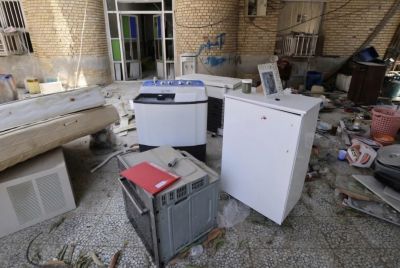
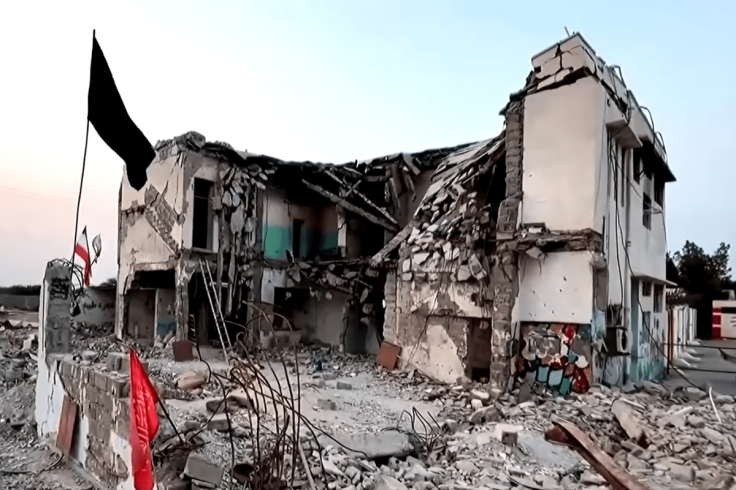
The most devastating incident was the 28 February strike on Shajareh Tayyebeh Primary School in Minab, southern Iran.
More than 150 people were killed, including around 120 children, according to Iranian officials cited by the UN mission. Investigators said they found reasonable grounds to believe US forces were responsible.
The report's most significant finding was that the school was a clearly identifiable civilian object. Investigators found no evidence it was being used for military purposes when it was struck.
The school stood beside an Islamic Revolutionary Guard Corps naval complex, but the UN mission said the US had failed to update information about the site and properly establish that the school itself was a legitimate military objective.
Investigators concluded that the failure went beyond mere negligence, saying the US directed strikes at the school while aware of a substantial risk of hitting a civilian object.
The finding adds fresh weight to a controversy that has followed the attack for months. In June, Trump said 'nobody' had purposefully attacked a girls' school in Iran and cited an investigation into the incident.
Reuters had previously reported that an initial US military investigation indicated American forces were likely responsible. The Pentagon has since elevated its probe but has not published preliminary findings.
Second Strike Adds to Pressure
The UN mission also examined a 28 February strike on a sports centre in Lamerd.
The attack damaged nearby residential buildings and a school and killed and injured 22 civilians, according to the report. Investigators again found reasonable grounds to believe the strike was indiscriminate and constituted a war crime.
The finding is disputed. US Central Command said in March that American forces did not launch strikes into Lamerd on that day, creating a direct clash between the US military's account and the UN mission's conclusion.
Washington Pushes Back
The Trump administration has rejected the UN report.
Pentagon officials said their investigation remains ongoing and that they had nothing to announce. White House spokeswoman Anna Kelly said the Human Rights Council had 'accomplished nothing for human rights' and maintained that Iran was the only party in the conflict that had committed war crimes.
The UN mission's report also accused Iranian authorities of crimes against humanity during a crackdown on protests that began in late December, citing unlawful killings, torture, arbitrary detention, enforced disappearances and restrictions on freedom of expression.
Trump Weighs 'Annihilation'
While the UN report puts past US military operations under scrutiny, Trump is considering what comes next.
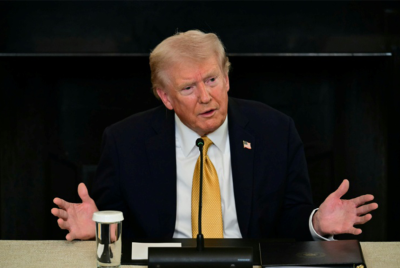
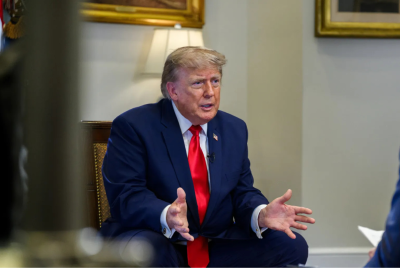
Speaking to Axios on Thursday, 17 September, he said he was approaching a critical juncture over whether to restart massive attacks against Iran.
'I have a big decision coming up. Do I want to go in and annihilate them [the Iranian regime] or do I not?' Trump said. 'It's a big decision. Anything could happen with me.'
Trump had said just a day earlier that he hoped the war was nearing its end. Now, he says he wants to hear directly from six Gulf allies, Saudi Arabia, the UAE, Qatar, Bahrain, Kuwait and Oman, during meetings around the UN General Assembly in New York.
That meeting could help shape whether Washington pushes towards diplomacy or another major military escalation.
Iran Heads to the UN
At the same time, Iranian President Masoud Pezeshkian and Foreign Minister Abbas Araghchi are expected to attend the UN General Assembly, putting senior officials from Tehran and Washington in the same diplomatic arena as the dispute over the war intensifies.
The UN fact-finding mission cannot itself prosecute or convict anyone. Its findings are investigative, but they can be used in future criminal investigations by national courts or international tribunals.
For now, the Minab school strike has become one of the most contentious episodes of the Iran war, just as Trump faces his own decision over whether the conflict should move towards diplomacy or another round of attacks.
© Copyright IBTimes 2026. All rights reserved.
- Recommended For You