UK Energy Crisis: Keir Starmer to Address Nation as Industry Warns of Fuel Rationing Amid Iran Conflict
The UK energy crisis deepens as Starmer prepares to address the nation over fears of imminent fuel rationing.

The UK energy crisis moved sharply up the political agenda on Wednesday as Keir Starmer prepared to address the nation from Downing Street, with industry claims that Britain could be only weeks away from considering rationing jet fuel and possibly diesel if disruption linked to the Iran conflict continues.
The warning, which has not been formally confirmed by ministers, came from an unnamed industry source and landed as households were already facing another jolt from rising pump prices and fresh anxiety over what happens if supply lines tighten further.
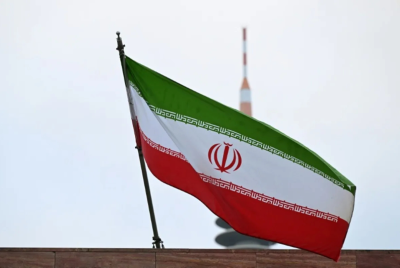
The latest alarm follows days of mounting pressure over the fallout from hostilities involving Iran and the blockade affecting shipping through the Strait of Hormuz. That route matters because it sits at the centre of global oil flows, and the source quoted by Express UK argued the government still had little in the way of a concrete public plan for handling a serious squeeze on fuel supplies.

Their point was blunt enough to cut through the noise. 'You don't want to leave it too late. People need to plan,' they said.
That is the awkward backdrop to Starmer's appearance. He is expected to address both the conflict itself and what support, if any, the government is prepared to offer as the pressure spreads from wholesale markets to family budgets. The politics of it are unforgiving. Ministers do not get much time in a fuel scare before the public starts asking whether anyone was actually prepared.
Keir Starmer Confronts The UK Energy Crisis Head On
Starmer has already tried to steady nerves, saying he understood public concern about the conflict and what it meant for families at home. He also insisted the government was working with allies on de escalation while trying to contain the hit to the cost of living.
In his earlier remarks, he pointed to a drop in household energy bills under Ofgem's price cap, with the annual figure for a typical household falling by 7 per cent, or £117, to £1,641 from Wednesday.
Even that relief came with a catch. Cornwall Insight has forecast that the price cap could climb to £1,929 for a typical dual fuel household between July and September, which would amount to a rise of £288, or 18 per cent, from the April level. That is the sort of number people notice, particularly when it arrives alongside higher supermarket bills and rising transport costs.
Donald Trump, the current US president, only made the atmosphere worse. In a post on Truth Social, he mocked Britain and other European countries over access to fuel and said they should secure their own oil, suggesting they should show some 'delayed courage.' The language was as inflammatory as it was predictable. It also drew a pushback of sorts, with Airlines UK disputing his claim that Britain could not obtain jet fuel.

US Secretary of War Pete Hegseth then piled in with his own criticism, questioning Britain's posture and urging other countries to help reopen the Strait. That may play well in Washington. In Britain, it adds another layer of pressure to a government already trying to show it can protect consumers without being dragged into a wider military confrontation.
UK Energy Crisis Puts Household Costs Back In Focus
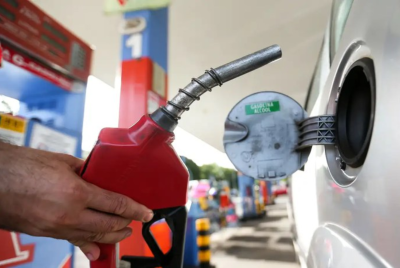
This is where the story stops being about strategic waterways and starts landing on forecourts. RAC figures published on Tuesday showed average diesel prices at UK petrol stations had reached 182.8p a litre, up 40p since the conflict began. Filling a 55 litre family diesel car now costs £100.52, the first time that threshold has been crossed since December 2022. Petrol, while less punishing, was hardly benign at an average 152.8p a litre, up 20p since the war started.

Several other countries have already cut petrol taxes or imposed caps to shield motorists. Britain, by contrast, had yet to set out a detailed equivalent response, reports DailyStar Uk. That gap matters because uncertainty has a nasty habit of doing the government's enemies' work for them.
Nothing is confirmed yet when it comes to rationing, and that part of the picture should be treated with a grain of salt because it rests on unattributed industry warning rather than an announced government measure.
© Copyright IBTimes 2026. All rights reserved.
- Recommended For You