Britain Endures Driest July on Record as Met Office Says Thunderstorms Will Not End Drought
Met Office confirms driest July as heatwave and thunderstorm warnings persist
England and Wales have suffered their driest July on record, the Met Office confirmed on Tuesday, as new thunderstorm warnings for Northern Ireland and amber heat health alerts across much of England underline that the UK's parched conditions are set to continue.
Nineteen counties in England recorded what the Met Office classifies as 'effectively no rainfall', meaning 1mm or less during the entire month. Southern England had its driest month ever recorded, while Wales and roughly half of England have officially been plunged into drought. Hosepipe bans now affect more than 20 million people in England and Wales, with no sign of them being lifted soon.
Downpours Will Not Break Drought
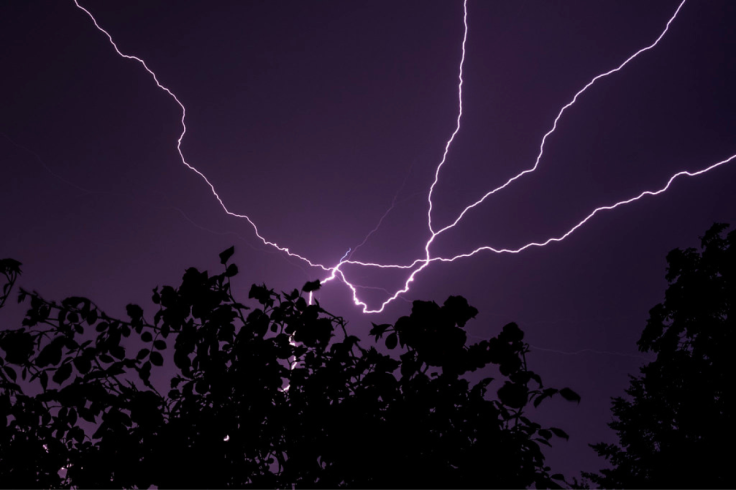
Heavy rain and thunderstorms are expected to hit parts of the UK on Tuesday, particularly Northern Ireland, Scotland, western England and Wales. The Met Office has issued a yellow thunderstorm warning for Northern Ireland from noon until 9pm, warning that up to 30mm of rain could fall in as little as an hour, with a risk of hail and strong winds.
Forecasters are clear that the storms will not end the drought. Weeks of intense heat and almost no rain have baked soils hard, leaving grass and heather tinder-dry, so when sudden heavy downpours arrive, water tends to run off rather than soak in.
The Met Office has warned that areas hit by the heaviest showers face a risk of flash flooding as hard-baked ground struggles to absorb sudden downpours, increasing the risk of surface runoff and localised flooding, with pooling on roads and rapid runoff into rivers likely to cause local disruption.
Large swathes of the Midlands, east and southeast England, including parts of London, Essex, Kent and Surrey, are expected to remain largely dry despite a cold front pushing south, with some communities in the far southeast possibly seeing no rain at all.
How 33.5c Heat Is Stretching the NHS and Breaking Records
The driest July has arrived alongside a fresh heatwave. On Monday, temperatures reached 33.5C in Wisley, Surrey, according to Met Office data, marking the twentieth day in 2026 with temperatures of 32C or higher and surpassing the previous record of nineteen such days set in 1995.
The UK Health Security Agency has issued amber heat health alerts for London, the South East, the East of England and the East Midlands until Wednesday morning, warning that high temperatures are likely to place additional pressure on the NHS. Yellow alerts remain in force for the North West, South West, West Midlands and Yorkshire and the Humber.
Pershore in Worcestershire and Cavendish in Suffolk have already logged three consecutive days hitting official heatwave thresholds, with more parts of southern and eastern England expected to qualify on Tuesday. Meteorologists say the current spike should be short-lived, but forecast models point towards August bringing further low rainfall and above-average temperatures for much of the country.
Farmers Warn of Severe Strain on Food Production
The fallout is already being felt beyond the weather itself. Farming leaders describe the situation as 'one of the most severe droughts many farmers and growers have lived through', citing poor crop yields, water shortages for fruit and vegetable producers, and livestock keepers dipping into winter feed months early. The National Farmers' Union has called for urgent government action to secure water supplies for domestic food production.
Wildfire Threat Rises on Parched Land
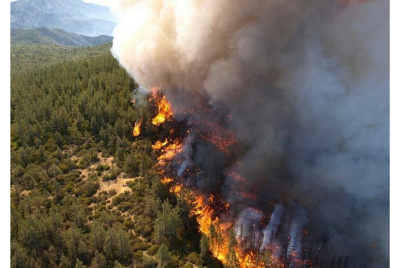
Wildfire risk has also increased. Firefighters remained at Dunwich in Suffolk on Monday after a heathland blaze, while crews in South Wales declared a major incident battling a wildfire in the Rhondda valley that has affected around 150 hectares of forest and scrub, according to the fire service.
The Met Office's longer-range outlook suggests a more changeable pattern through August, with a mix of showers and drier spells, although rainfall is expected to remain patchy and the message for the southeast in particular remains that meaningful rain should not be expected soon.
© Copyright IBTimes 2026. All rights reserved.
- Recommended For You