

UN Report Warns Global 1.5°C Warming Limit Will Be Breached 'Within the Next Few Years'
UNEP's 'Limiting Overshoot' report highlights urgent need for climate action to prevent severe impacts
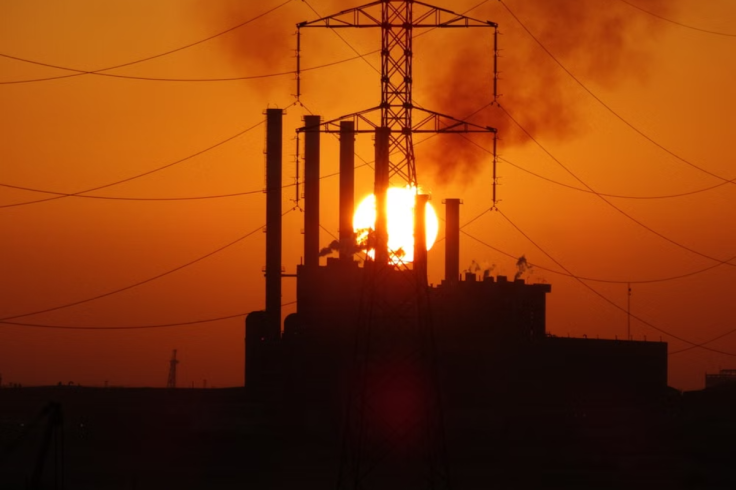
The world is set to breach the 1.5°C global warming threshold within a matter of years, according to a new UN Environment Programme report, with even the most optimistic modelling indicating that warming is likely to temporarily exceed the more ambitious temperature goal agreed under the Paris Agreement.
The report, titled Limiting Overshoot, warns that global temperature rise is 'likely within the next few years' to cross the 1.5°C threshold. It says the best-case scenario now sees warming peak at 1.8°C, above the goal, while most other modelled pathways predict even higher peaks.
Every Extra Fraction of a Degree What Breaching 1.5°C Actually Means
The report warns that climate impacts and the risk of triggering irreversible tipping points will intensify with 'every extra fraction of a degree' of warming, with the risks increasing further depending on how high temperatures rise and how long they remain elevated.
Expected consequences include more intense extreme weather, loss of ecosystems, and the submersion of Small Island Developing States and low-lying coastal cities. The report also flags severe knock-on damage to human health, food security, water supplies, infrastructure and economies.
Among the tipping points it names are the destabilisation of major ice sheets, degradation of the Amazon rainforest, and disruption to the Atlantic Meridional Overturning Circulation, the ocean current system that helps regulate global climate. Some of these shifts, the report notes, could happen abruptly, while others would build up gradually over time.
Global warming is set to cross 1.5°C, pushing climate risks and impacts to increasingly dangerous heights, a new UNEP report warns.
— UN Environment Programme (@UNEP) September 2, 2026
Predicted impacts include extreme weather and threats to human health and economies.
Action now can still limit the magnitude and duration of… pic.twitter.com/YGrAUaoEuT
The Best-Case Scenario Still Falls Short
Rather than treating an overshoot above 1.5°C as unavoidable and final, UNEP frames an 'overshoot, peak and decline' pathway as the most realistic remaining route towards the Paris Agreement's 1.5°C goal. This would rely on immediate, sustained cuts to greenhouse gases, including methane, alongside long-term net-negative emissions.
Carbon dioxide removal, the process of removing carbon dioxide from the atmosphere through methods such as afforestation, is described as an 'essential' part of that mix, but only if it is 'carefully governed' and paired with continued emissions cuts rather than used as a substitute for them.
UN Secretary-General António Guterres linked the warning directly to this year's extreme weather. 'This summer's scorching heat, raging wildfires and deadly floods are a warning of what lies ahead,' he said.
UNEP Executive Director Inger Andersen echoed that urgency, warning there are 'no good outcomes' if the world remains above 1.5°C, and calling for countries to 'double down on climate action' through emissions cuts and stronger resilience planning.
Irreversible Losses Are Already Locked In, UNEP Warns
Even under the pathway UNEP considers most achievable, the report is candid that some harm is now unavoidable. It states that years of inaction mean that even if temperatures are eventually brought back below 1.5°C, 'irreversible losses and permanently changed conditions are certain'.
That includes the possibility that many communities may be forced to relocate or change their livelihoods as a direct result of climate impacts already in motion.
The report also distinguishes between temporarily exceeding 1.5°C and remaining above the threshold over the longer term.
While a return below 1.5°C remains possible under an 'overshoot, peak and decline' pathway, UNEP warns that the magnitude and duration of any overshoot will influence the severity of the resulting impacts.
This report matters because it shifts the conversation from whether the 1.5°C threshold will be crossed to what the consequences of an overshoot could be, and how quickly the world could still bring temperatures back down.
For governments and the public alike, it reframes the coming years less as a hard deadline that has been missed, and more as a narrowing window to limit how severe and how long any overshoot turns out to be. The full report, Limiting Overshoot, was published by the UN Environment Programme on 2 September 2026.
© Copyright IBTimes 2026. All rights reserved.