DHS Eyes $7.5M 'Smart Glasses' For Immigration Agents That Can Identify People in Real-Time
A high-tech push for silent enforcement stirs unease over power, privacy and political trust.

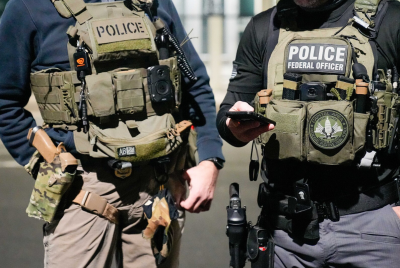
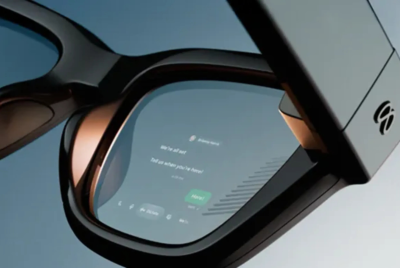
The US Department of Homeland Security is preparing a significant move into wearable surveillance, setting aside $7.5 million for 'smart glasses' that can identify people in real time. The proposal, included in President Donald Trump administration's fiscal year 2027 budget, would give immigration agents tools to scan faces and pull up information on the spot.
The plan comes at a time when immigration enforcement is under growing scrutiny and political pressure. Officials say the technology could improve efficiency and safety. Critics, though, warn it may deepen unease among migrant communities that are already wary of federal agents.
At the centre of the proposal is a noticeable shift in approach. New DHS chief Markwayne Mullin is pushing for quieter, less visible operations, even as the agency looks to expand its use of technology.
A Tool Built for Speed and Silence
The proposed smart glasses are designed to give agents instant access to identification systems without relying on visible devices. In practice, that means officers could confirm someone's identity while appearing to do little more than watch.
According to NewsNation via The Hill, the US Department of Homeland Security has set aside $7.5 million for developing biometric technology to create 'smart glasses' that would help federal immigration agents identify migrants who are in the US without legal status. The funding sits under the Research, Development and Innovation section of the upcoming budget, signalling a clear push to modernise enforcement tools.
Since the glasses would allow real time identification, they could streamline field operations, cut delays and reduce the need for direct confrontations. In tense situations, that kind of speed can matter.
That same capability, however, is what worries civil liberties groups. The idea that agents could identify people without any clear signal raises questions about transparency and consent.
Privacy Fears Meet Political Reality
The debate goes beyond the technology itself. It comes down to trust.
The smart glasses plan has raised concern among privacy advocates who fear wider use of facial recognition in public spaces. They warn the tools could stretch beyond their original purpose, especially in immigration enforcement where oversight is often limited.
For many migrants, the concern feels immediate. Being identified on the spot, without warning, could lead to detention or deportation within minutes.
The timing also adds to the tension. The proposal sits within a broader immigration agenda under the Trump administration, which has long focused on strict border control and enforcement.
In that light, the technology can feel less like a neutral tool and more like a statement of intent.
No Funds for 'Smart Glasses'
Despite the reported budget document obtained by NewsNation, a DHS spokesperson told The Independent that no funds have been 'committed' or allocated to any form of 'smart glasses.' The spokesperson said the Science and Technology Directorate is continually assessing the needs of US Immigration and Customs Enforcement and other DHS departments to support law enforcement officers in the field.
The representative added that 'these discussions involve privacy offices, chief information officers and legal teams to ensure any technology' the department uses stays 'within the full scope of the law.'
Even with that denial, The Independent reported that its investigation found DHS agents have already been seen wearing personal pairs of smart glasses.
Mullin's Quiet Strategy Unsettles Allies
DHS Secretary Markwayne Mullin has reportedly called for less visible enforcement. He wants agents to operate in ways that attract less public attention, in part to rebuild confidence after years of controversy.
According to The Washington Post, Mullin's approach includes toning down the optics of aggressive raids and leaning towards more discreet methods. The aim is to make enforcement feel less confrontational while maintaining its reach.
Not everyone, however, is convinced of Mullin's strategy. Some within the MAGA base see the shift as a softening of the administration's stance, raising concerns that the agency may be stepping back from its hardline image.
Between Innovation and Unease
For frontline agents on the ground, the promise of smart glasses is practical. Faster identification can mean fewer mistakes and quicker decisions. For the public, it lands differently. The idea of being scanned and identified without knowing it is totally unsettling.
The DHS plan sits in that uneasy space. It offers efficiency, but it also risks eroding trust.
As the budget proposal moves through the political process, the debate is likely to grow. Lawmakers will have to weigh the benefits of modern tools against the cost to privacy and public confidence.
For now, one image lingers. An agent standing quietly in a crowd, seeing more than anyone else realises.
© Copyright IBTimes 2026. All rights reserved.
- Recommended For You