ICE 'Smart Glasses' Budget Leak Reveals Real-Time Biometric Watchlist Access in the Field
Project aims to integrate biometric matching into field operations

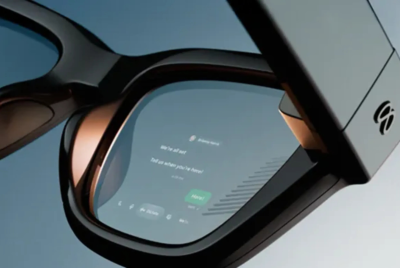
The US Department of Homeland Security (DHS) is developing a wearable smart glasses system for federal agents that could provide real-time access to biometric identification and watchlist databases, according to budget documents.
The project, referred to in reporting as 'ICE Glasses', is outlined as a field-facing technology designed to integrate identity verification tools directly into an agent's line of sight during operations, with a potential deployment timeline around 2027.
Project Details in Budget Documents
The documents indicate that the DHS Science and Technology Directorate is overseeing development of smart glasses intended for operational use by federal personnel, according to Ken Klippenstein's reporting on the budget materials. The system is described as a form of augmented reality hardware that would allow agents to access identity-related data while in the field.
According to the budget material, the project aims to provide 'real-time access to information and biometric identification capabilities in the field'. This includes linking wearable devices to existing federal databases used for identity verification and security screening.
While the documents do not provide detailed technical specifications, they suggest the system would function as a front-end interface to established biometric systems already used across multiple US agencies.
Biometric Integration
Central to the ICE Glasses concept is the integration of biometric matching tools. These include facial recognition, gait analysis and other identity-linked data points used in federal screening systems.
The smart glasses are expected to allow agents to compare observed individuals against existing watchlists and biometric records. These systems are already widely used in border enforcement and national security contexts, where fingerprints, facial images and iris scans are stored in large-scale databases.
The wearable format would shift this capability from handheld devices and stationary systems into a continuous, heads-up display accessible during field operations.
Surveillance Expansion
The project builds on an existing US biometric infrastructure that has expanded significantly since the early 2000s. Federal systems now process identity data at scale, supporting border control, immigration enforcement and security screening operations.
These databases reportedly contain tens of millions of biometric records, including fingerprints and facial imagery collected through immigration procedures, travel screening and law enforcement encounters.
The ICE Glasses system is presented as an extension of this infrastructure, aiming to streamline how agents retrieve and interpret identity data while in active deployments.
Field Use and Enforcement Applications
Budget documentation suggests the primary use case for the smart glasses would be field operations conducted by federal agents. This includes immigration enforcement scenarios where rapid identity verification is required.
The glasses are designed to present information directly within the user's field of vision, reducing reliance on handheld devices or separate terminals. In practice, this could allow agents to receive identity matches while interacting with individuals in real time.
The system's proposed capabilities position it within a broader shift towards mobile biometric verification tools used in law enforcement and border security contexts.
Privacy and Surveillance Considerations
The development of wearable biometric identification tools has raised ongoing privacy and civil liberties concerns. Critics of similar technologies have previously highlighted risks linked to continuous monitoring in public spaces and the potential for misidentification in automated systems.
Civil liberties groups have long expressed concern about the expansion of watchlist-based enforcement tools and the growing integration of biometric databases across agencies. These concerns are expected to intensify as wearable systems move closer to operational deployment.
Oversight and Development Status
The ICE Glasses project remains in development, according to the budget documents, with a projected availability date around September 2027. There is no confirmed evidence of public deployment or field testing at this stage.
While Congress has reportedly been informed of the initiative, there have been limited public statements from oversight committees regarding the scope or implementation timeline of the technology. The DHS Science and Technology Directorate continues to manage development as part of broader research into advanced field identification systems.
© Copyright IBTimes 2026. All rights reserved.
- Recommended For You