

What Is Colorectal Cancer? Shocking Causes and Symptoms Exposed by James Van Der Beek's Final Fight
Early detection is critical as many cases go unnoticed until advanced stages
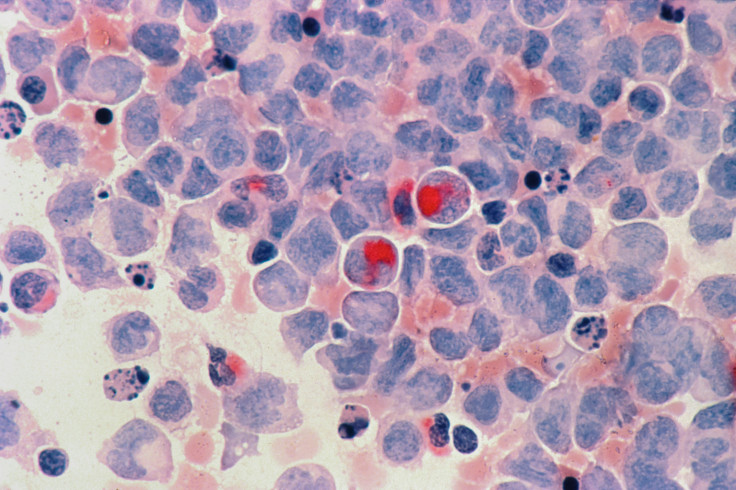
James Van Der Beek's death at the age of 48 from colorectal cancer has cast a spotlight on a disease that medical experts say is increasingly affecting younger adults around the world. The actor's public battle with Stage III colorectal cancer and subsequent passing has drawn attention to alarming trends in incidence, causes and symptoms that often go unrecognised until it is too late. As cases rise in people under 50 and screening recommendations evolve, health professionals are urging greater awareness of the causes and subtle symptoms associated with colorectal cancer.
What Is Colorectal Cancer?
Colorectal cancer refers to malignant growths in the colon or rectum, parts of the digestive system that process waste. It is one of the most common cancers worldwide and a leading cause of cancer-related death. In the United States alone, colorectal cancer accounted for an estimated 154,270 new cases and 52,900 deaths in 2025, making up nearly 8% of all cancers.
Experts note a significant shift in the age profile of diagnoses. While it has traditionally been associated with older adults, rates of colorectal cancer in people under 50 have been rising steadily for decades. Data show that incidence rates in younger adults have increased by about 2.4% annually, while rates in older adults have stabilised or declined.
Shocking Causes Behind the Rise
Medical research points to multiple contributing causes of colorectal cancer, many linked to lifestyle and environmental factors. A substantial body of evidence associates diets high in processed and red meats, low physical activity, obesity and smoking with elevated risk. Approximately 55% of cases and deaths in some studies have been attributed to modifiable lifestyle factors such as diet, poor nutrition and lack of exercise.
Emerging research also suggests ultra-processed foods may raise the risk of developing precancerous polyps, which can progress to colorectal cancer over time, particularly among women under 50.
Genetic predispositions and family history also play a role, with some individuals inheriting mutations that significantly raise their lifetime risk of developing colorectal cancer.
Recognising the Symptoms Before It's Too Late
One of the most striking aspects of colorectal cancer is that many people experience no early symptoms, leading to delayed diagnosis until the disease has progressed to advanced stages. When symptoms do appear, they can be subtle and easily mistaken for less serious conditions. Common signs include blood in the stool, persistent changes in bowel habits, unexplained weight loss, fatigue and abdominal discomfort.
In interviews before his death, Van Der Beek shared that he initially dismissed minor symptoms before a colonoscopy in 2023 detected his cancer at Stage III. His experience highlights how easily warning signs can be overlooked by both patients and clinicians.
Health professionals emphasise that persistent symptoms should prompt medical evaluation, even in people younger than the traditionally recommended screening age, particularly if risk factors are present.
The Urgency of Early Screening
In response to rising early-onset colorectal cancer cases, national guidelines have been updated in many countries, with the recommended age for routine screening lowered to 45 for average-risk individuals. Screening tools include colonoscopy, faecal immunochemical tests and emerging blood-based technologies, which can detect precancerous changes long before symptoms arise.
One study found that initiating screening as early as age 40 can reduce colorectal cancer mortality by nearly 40%, underscoring the potential life-saving impact of earlier detection.
Despite these recommendations, screening uptake remains uneven, particularly among younger adults who may not perceive themselves at risk. Medical experts continue to advocate for broader awareness of both causes and symptoms, urging individuals to seek advice from health professionals if concerns arise.
© Copyright IBTimes 2026. All rights reserved.