How Did Prince Philip Die? King Charles' Father Reportedly Shuffled for Beer Before 'Slipping Away' at 99
A revealing new biography exposes how Prince Philip endured pancreatic cancer for eight years, reshaping the narrative of his final days.
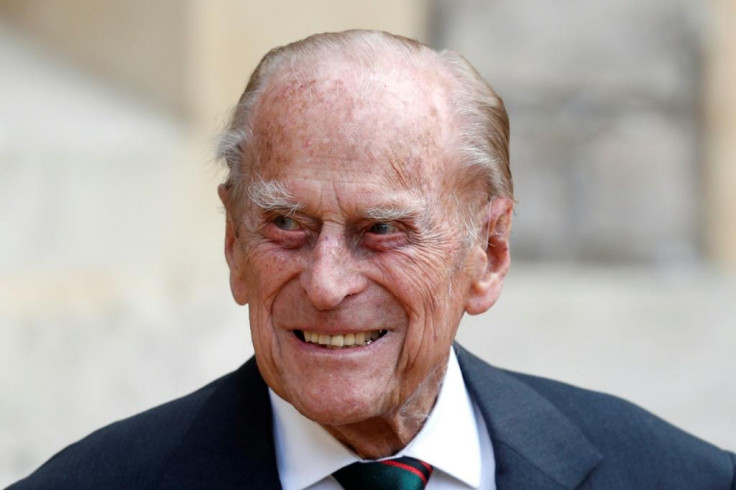
Prince Philip, father of King Charles, battled inoperable pancreatic cancer for eight years before shuffling off in search of a final beer and slipping away at Windsor Castle on 9 April 2021, just shy of his 100th birthday, according to a bombshell new biography.
The Duke of Edinburgh's official death certificate pinned it on 'old age,' a bland entry that masked what royal historian Hugo Vickers now portrays as a gritty, drawn-out fight against a killer disease. Vickers, with his deep ties to the family, lays it out in Queen Elizabeth II: A Personal History, serialised in the Daily Mail.
The book offers a stark account of how doctors spotted a shadow on Philip's pancreas in 2013, operating to investigate before reaching a grim verdict that it was inoperable.
Steadfast Patriarch Faced Cancer in Shadows
Picture a 91-year-old war hero undergoing major surgery at the London Clinic, only to recover and defy the odds. That was Philip, as Vickers describes it. Admitted in June 2013 after earlier heart problems in 2011, he spent 11 days in hospital.
'Doctors had detected a shadow on his pancreas, and had cut him right across his stomach,' the historian recounts. 'The verdict was inoperable pancreatic cancer.'
This piece by Hugo Vickers new book revealing that Prince Philip had Pancreatic Cancer for the last 8 years of his life💔
— Canellecitadelle (@Canellelabelle) March 29, 2026
The DM reports “In Queen Elizabeth II, serialised exclusively in the Mail on Sunday, biographer Hugo Vickers discloses that the then-Duke of Edinburgh was… pic.twitter.com/Wys7sOWDTZ
Pessimists assumed it would mark the end of public life. It did not. After a period at Wood Farm on the Sandringham estate, the same Norfolk retreat later used by Prince Andrew, Philip was back greeting crowds by August.
He continued until 2017, when he stepped back from royal duties at 96, before largely retreating to Wood Farm with the queen. Eight years with pancreatic cancer is rare by the statistics, with Cancer Research UK placing five-year survival at around 5%. Philip outlived those odds, the book suggests, far longer than most.
Vickers does not shy away from the human grit. Philip disliked the fuss surrounding centenarians and had no desire to reach 100 amid such attention. King Charles, then Prince of Wales, watched his father defy the clock, a private test of endurance amid the pomp.
Unravelling Prince Philip's Final Defiant Hours
In his final hours, Philip remained characteristically defiant. On his last night, the 99-year-old reportedly left his nurses, taking his Zimmer frame and making his way down a corridor at Windsor, where he opened a beer in the Oak Room and enjoyed it. There were no bedside vigils; he preferred to keep to himself.
The following morning, he rose for a bath, remarked that he felt off-colour, and then quietly passed away. 'By this point, he had lived with pancreatic cancer for nearly eight years, far longer than the usual survival time from diagnosis,' Vickers writes.
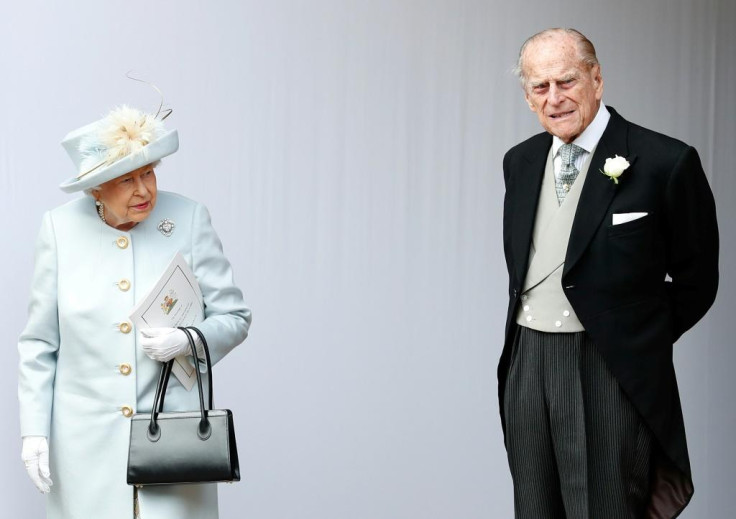
The queen was not by his side. Staff informed her too late, saying 'His Royal Highness left 20 minutes ago,' echoing a familiar pattern. She was 'absolutely furious that, as so often in life, Philip left without saying goodbye,' sources told the author.
It is a poignant note in a 73-year marriage shaped by Philip's restless independence. Elizabeth died 17 months later at Balmoral, aged 96. The account resonates again as Britain approaches what would have been her 100th birthday in April.
Vickers' account, drawn from family whispers and medical reports, portrays Philip not as fading quietly but quietly defiant, beer in hand. Buckingham Palace has not commented, leaving the claims unverified, so they should be treated with caution.
© Copyright IBTimes 2026. All rights reserved.
- MOST POPULAR IN Royals