

Woman, 58, Receives Kidney Transplant From a Pig and Makes Medical History 12 Months Later
Molly Falco remains free from dialysis after receiving the experimental organ at Massachusetts General Hospital, although doctors caution that the treatment is not proven
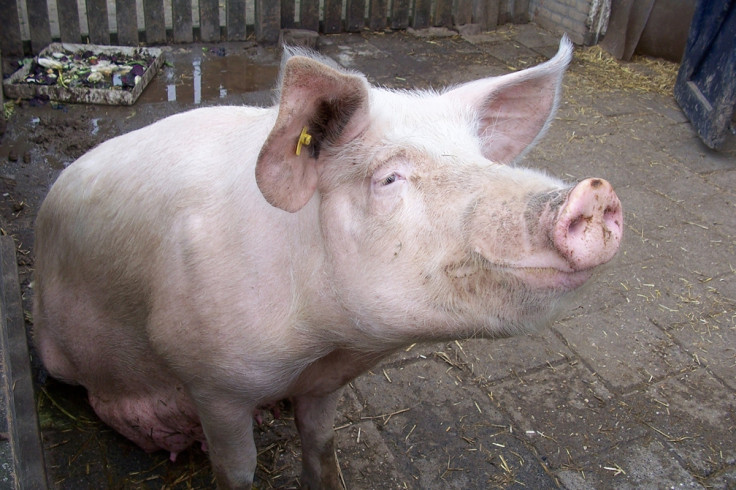
A 58-year-old woman has made a medical breakthrough after living for 12 months with a kidney transplanted from a genetically modified pig, marking the longest known survival of a patient with such an organ.
Molly Falco, a mother of two from Lyndeborough, New Hampshire, reached the milestone on 22 November, one year after undergoing the experimental procedure at Massachusetts General Hospital in Boston.
She remains free from dialysis, which uses a machine to filter waste and excess fluid from the blood when the kidneys can no longer perform the job.
Falco was the fourth patient at the hospital to receive a genetically modified pig kidney. Her case offers fresh hope for xenotransplantation, although researchers stress that the procedure remains experimental.
Anything to Escape Dialysis
Falco was born with a condition that gradually damaged her kidneys. Her health deteriorated in her 50s, eventually leaving her with end-stage kidney disease.
She spent 11 months undergoing dialysis before doctors offered her the opportunity to receive an animal organ. With a human donor kidney potentially five to seven years away, she was eager to try another option.
'I was willing to try anything. Really not afraid,' she previously stated.
She underwent surgery on 22 November 2025. The kidney, developed by biotechnology company eGenesis, came from a pig that had undergone 69 genetic modifications to make its organ more compatible with the human body.
Falco even gave the transplanted organ a name: Lily.
According to her doctors, the kidney is performing the essential functions of a human organ, including filtering toxins, producing urine, and maintaining the body's balance of fluids and minerals.
Pig Kidney Still Has Some Side Effects
Reaching the 12-month milestone has not been without difficulties.
Falco experienced several complications after surgery and required hospital treatment on multiple occasions. However, she has not been hospitalised since February.
She also takes immunosuppressant medication to prevent her body from rejecting the transplanted organ. The drugs can cause mild hand tremors and leave her more vulnerable to infections, prompting her to wear a mask in public.
She still gets tired more quickly than before and sometimes experiences shortness of breath, particularly when climbing stairs.
Nevertheless, she has returned to everyday activities, including cooking for her family and driving. She also hopes to go skiing with her children this winter.
Leonardo Riella, who oversees the xenotransplantation programme at Massachusetts General Hospital, described the outcome as encouraging but cautioned against celebrating too soon.
'It is not a victory lap yet,' he said.
Experimental Transplants Could Help Thousands
The achievement could eventually help address the shortage of donor kidneys. Around 90,000 Americans are currently waiting for a kidney transplant, while 27,573 kidney transplants were performed in the US last year.
Xenotransplantation involves transferring organs from animals into humans. Scientists genetically modify pigs to reduce the risk of the recipient's immune system recognising the transplanted organ as foreign and attacking it.
A formal eGenesis clinical trial involving 33 patients across 10 US medical centres is scheduled to begin in January 2027.
However, Falco's experience does not establish how long pig kidneys can function or whether the procedure will prove safe and effective for larger groups of patients.
Her milestone, nevertheless, provides an important indication that genetically modified animal organs could one day become an alternative for people facing dialysis.
© Copyright IBTimes 2026. All rights reserved.