

After Harambe, Fiona's Death at Cincinnati Zoo Revives Questions Over Animal Safety and Visitor Barriers
The nine-year-old hippo died after swallowing a visitor's hat that entered her habitat through an opening above the viewing windows
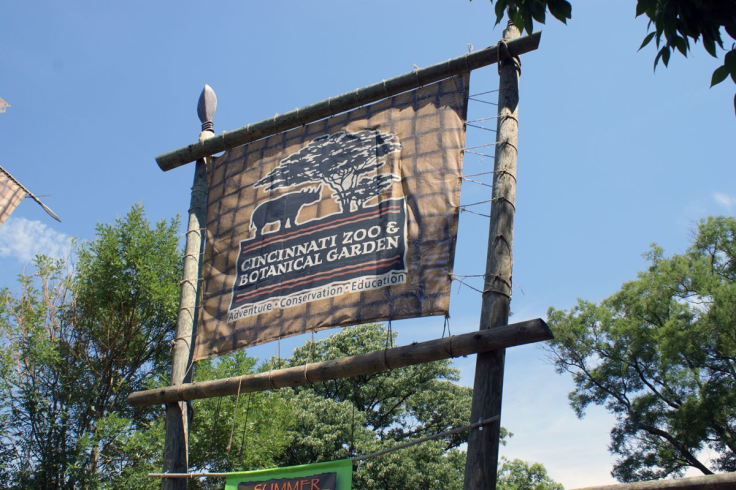
Fiona, Cincinnati Zoo & Botanical Garden's nine-year-old hippopotamus, died on Thursday, 19 November 2026, after swallowing a visitor's knitted hat in Ohio.
Her death has revived questions about safeguards separating visitors from animals, nearly a decade after Harambe the gorilla was killed at the same zoo.
On 28 May 2016, staff shot 17-year-old western lowland gorilla Harambe after a child entered his enclosure. Fiona's remarkable survival following her premature birth in January 2017 later gave the zoo a more uplifting story, with videos of her recovery reaching audiences worldwide.
How a Hat Reached Fiona and Triggered a Vet Battle
The hat was not deliberately thrown towards Fiona, according to zoo officials. Spokesperson Michelle Curley said a visitor tossed it into the air on 8 November. It struck a ceiling fan and passed through a small opening above the habitat's viewing windows.
Fiona was the first Nile hippo imaged on a prenatal ultrasound and continued breaking records after she was born.
— Encyclopaedia Britannica (@Britannica) November 19, 2026
Born at just 29 pounds (100 is typical), she survived into adulthood thanks to the care of specialists.
We will miss your tenacity, Fiona. 🤎 pic.twitter.com/Al8q7mBv12
Fiona swallowed the hat, prompting round-the-clock veterinary care. Her appetite declined, while an ultrasound on 17 November revealed bunching in her intestines. The scan did not establish precisely where the hat was lodged. A colonoscopy using a long scope also failed to locate the object, according to Associated Press reporting.
The zoo said specialists ruled out surgery for a fully grown hippopotamus. Veterinarians instead used supportive treatments, including fluids and enemas, and borrowed a vibration platform from a horse farm in the hope of moving the obstruction through her digestive system.
Those efforts failed. In an official statement, zoo director Dave Jenike said staff had made repeated attempts to save Fiona. 'We are in shock at the moment,' he said. 'She fought until she couldn't anymore.'
Animal rights organisation PETA also urged a review of the zoo's precautions. Debbie Metzler, its managing director of captive wildlife, acknowledged that the hat's entry was accidental but said visitors must act carefully around animals.
Harambe's Legacy on Visitor Barriers
Although both incidents involved visitors, their circumstances were different. Harambe was shot during an emergency response to a child entering the gorilla enclosure. Fiona died after accidentally swallowing an object that reached her habitat.
Harambe the Western gorilla was killed on this day 10 years ago pic.twitter.com/6CLXAPgeI3
— Dexerto (@Dexerto) May 28, 2026
After Harambe's death, a US Department of Agriculture inspection found that Gorilla World's barrier did not meet federal standards at the time of the incident. The zoo said earlier inspections, including one in April 2016, had deemed it compliant.
The zoo reopened Gorilla World on 7 June 2016 with a higher barrier, rope netting and surveillance cameras. Its statement announcing Fiona's death did not identify new enclosure modifications or announce a formal safety review. Nor does the historical finding establish negligence in Fiona's case.
Public Grief, Tributes, and Fiona's Legacy in Cincinnati
Online reactions have included questions about safeguards alongside messages supporting the keepers who cared for Fiona. Outside the zoo, visitors left flowers and cards near her statue.
Fiona had become a Cincinnati favourite after surviving her difficult birth, later inspiring an ice-cream flavour and a ballet character. Mayor Aftab Pureval called her a 'symbol of perseverance and joy'.
Loveland resident Joanne Prater told the Associated Press that Fiona and Harambe were 'tokens of Cincinnati'. She added: 'I guess both of their deaths could have been prevented, but unfortunately accidents do happen.'
© Copyright IBTimes 2026. All rights reserved.