

Woman, 46, Back in Hospital With Second Heart Attack 30 Hours After Discharge Following Ice-Cold Green Tea
Doctors identified spontaneous coronary artery dissection in two separate arteries, while researchers said cold drinks may have contributed but did not establish a cause
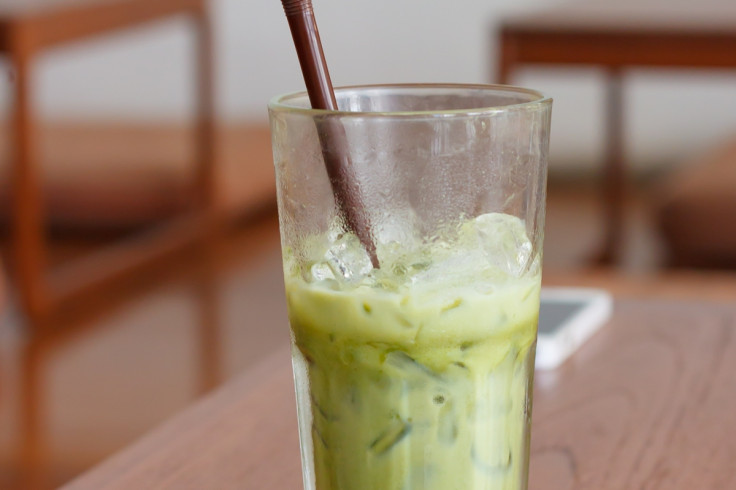
A 46-year-old woman suffered two heart attacks after rapidly drinking ice-cold beverages, with her second medical emergency occurring just 30 hours after she was discharged from the hospital.
The California woman initially developed severe chest pain after gulping down an ice-cold drink while walking to her car following a 10-hour work shift.
The burning sensation struck the centre of her chest before spreading to both forearms, lasting around 20 minutes. She subsequently began sweating, felt nauseated, and became lightheaded, as though she might faint.
First Hospital Visit Revealed Torn Artery
Doctors noticed subtle abnormalities in her heart's electrical activity. Although her initial blood test showed normal levels of troponin, a protein released when heart muscle is damaged, a subsequent test revealed elevated levels.
An angiogram confirmed a small tear in a branch of her right coronary artery, which supplies blood to the heart.
Doctors diagnosed her with spontaneous coronary artery dissection (SCAD), a condition that can restrict blood flow and trigger a heart attack.
She received treatment and was discharged, but her recovery was short-lived.
Iced Green Tea Preceded Second Heart Attack
Approximately 30 hours later, she experienced similar symptoms after taking several gulps of ice-cold green tea before jogging up a flight of stairs.
The chest pain started when she reached the top, accompanied by the same lightheaded sensation she had experienced during her first episode.
She was rushed back to hospital by ambulance. Although her initial electrocardiogram showed no clear signs of another heart attack, subsequent recordings revealed changes consistent with one.
A second angiogram uncovered a new tear, this time in the left circumflex artery, another vessel supplying blood to the heart.
Doctors treated her with medication, including blood thinners and drugs to manage her heart rate. She was discharged on her third hospital day.
Researchers Investigate Possible Cold Drink Trigger
The unusual case was detailed in BMC Cardiovascular Disorders by researchers from Kaiser Permanente Roseville Medical Centre in California.
They suggested that rapidly swallowing an extremely cold beverage could trigger a temporary rise in blood pressure and activate the body's fight-or-flight response.
This may cause the heart to contract more forcefully while temporarily narrowing the coronary arteries, increasing pressure on their walls. In people with vulnerable blood vessels, the additional strain could potentially contribute to a tear.
The woman was also found to have fibromuscular dysplasia (FMD) in an artery in her pelvis, a condition involving abnormalities in blood vessel walls that is associated with SCAD.
What Is SCAD?
Unlike conventional heart attacks, which commonly result from fatty deposits narrowing the arteries, SCAD occurs when blood collects between the layers of an artery wall, restricting blood flow to the heart.
It can affect otherwise healthy people and is particularly common among women in their 40s and 50s. Symptoms include chest pain, sweating, nausea, breathlessness, and dizziness.
The researchers stressed that the case does not prove cold drinks caused the woman's artery tears. Further research is needed to establish whether rapidly consuming cold beverages can trigger SCAD in susceptible patients.
Following her second discharge, the woman avoided cold drinks for several months before gradually reintroducing them in smaller sips.
Follow-up appointments over the next 10 years found no further significant heart-related problems.
© Copyright IBTimes 2026. All rights reserved.