

Toddler Among Survivors as Greek Rescuers Find 13 Bodies on Migrant Boat Off Crete
A container ship rescued 18 people from the vessel, while authorities investigate the deaths and the circumstances of the perilous crossing from North Africa
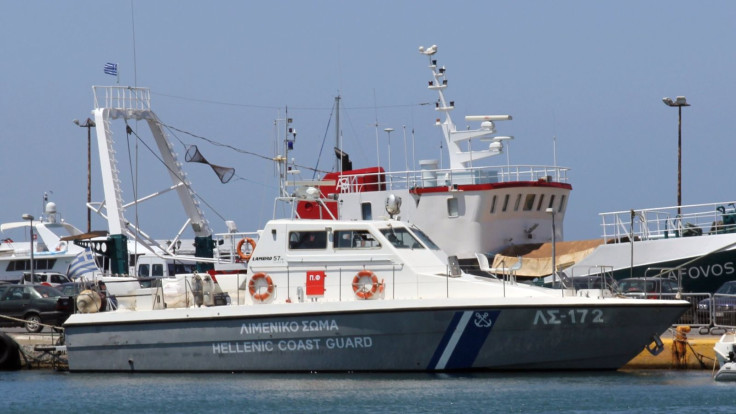
Greek authorities have confirmed that 14 migrants died after a boat carrying people attempting to reach the island of Crete was discovered south of the island on Monday. Thirteen bodies were recovered from the vessel.
A passing Moroccan-flagged container ship originally spotted the vessel drifting approximately 15 nautical miles, or 28 kilometres, south of the remote port of Kaloi Limenes.
The crew of the cargo ship successfully rescued 18 survivors from the drifting boat and alerted the Hellenic Coast Guard, which immediately deployed vessels to bring the survivors and the deceased ashore.
Medical teams have transferred four of the survivors to local health facilities on the island for urgent treatment. One survivor, who was unconscious when he arrived at a local health centre, subsequently died, bringing the death toll to 14. Authorities had not established the cause of death, pending further medical examinations.
Rescue Operations and Hospitalisation of Survivors
Authorities had not immediately established the nationalities of the passengers aboard the vessel or the circumstances surrounding the deaths. Among those taken to the hospital alongside the individual who later died were an adult man, an adult woman, and a toddler.
Medical staff at the hospital are monitoring the remaining survivors closely. An unnamed Greek coastguard official speaking to reporters noted that the survivors were shivering when rescue teams reached them.
Greek authorities said the vessel may have been at sea for several days, with strong winds reportedly making it difficult to reach the coast.
The remaining 14 survivors were transported to temporary accommodation in Rethymno.
Surge in Perilous Crossings from North Africa
The fatal voyage reflects an ongoing surge in irregular maritime crossings along the dangerous corridor stretching from North Africa to Crete. This specific route has recently become the primary section of the eastern Mediterranean corridor for asylum seekers attempting to enter the European Union.
According to Frontex, approximately 31,800 irregular border crossings were recorded along the eastern Mediterranean route during the first nine months of 2026, a 15% decline compared with the same period last year. Despite the decrease, it remained the EU's busiest migration route, with the corridor from Libya to Crete accounting for its most active section.
Separately, Greek and European authorities rescued another 187 migrants in three operations south of Crete on Monday. Frontex aircraft and unmanned surveillance equipment assisted in locating vessels involved in the rescue operations.
Humanitarian Concerns and Regional Pressures
The consecutive emergencies have placed pressure on local infrastructure and heightened regional humanitarian warnings. Commenting on the rising frequency of these incidents, the United Nations' International Organisation for Migration stated, 'Rising arrivals along the eastern Libya–Crete route this year, coupled with gaps in search and rescue capacity, are heightening humanitarian concerns over the risks faced by people making the journey'.
The Greek government has also announced plans to expand migrant accommodation capacity on Crete amid rising arrivals. Migration Minister Thanos Plevris said on 4 November that the Chania facility was already operating and the Heraklion facility would open in the coming days.
Local law enforcement authorities have launched an official investigation into Monday's tragedy, and autopsies are scheduled to determine the exact causes of death for the 14 victims.
© Copyright IBTimes 2026. All rights reserved.