

AI Slop Videos for Babies: How YouTubers Are Using AI to Drown Kids in Junk Content
AI-generated 'slop' videos are targeting a much younger audience for effortless passive income
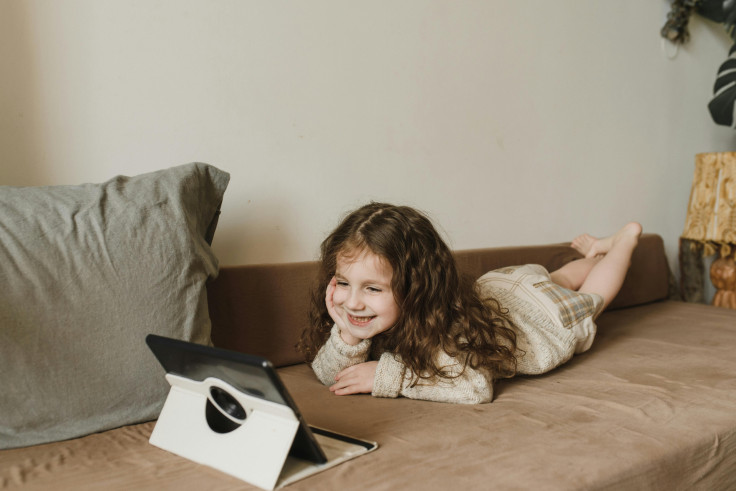
Cashing in on tots binge-watching lucrative AI-generated content, dubbed 'slop' videos, has become a disturbing new trend among YouTube content creators. These low-effort, low-quality, AI-generated junk are raking in hundreds of dollars a day for YouTubers, and they are primarily aimed at young kids under 2 years old.
According to YouTube spokesperson Nicole Bell, in a Bloomberg report, pumping out dodgy content only portends trouble, as their systems and monetisation policies penalise it. Nevertheless, these videos continue to circulate on the platform, exploiting younger viewers and garnering hundreds of thousands of views.
The Risks of AI-Generated Content for Children
Dominating YouTube Kids with disturbing AI-generated videos, several creators with millions of followers use this strategy to haul in substantial views, resulting in effortless passive income.
According to a Bloomberg report, 60% of parents with children under 2 admit their children watch YouTube videos. This particularly vulnerable targeted audience, children 1-3 years of age, who have yet to be able to distinguish between reputable, educational media and AI-generated nonsense, is at risk of impaired development in critical thinking, among other areas, as they "drown" in this low-quality content.
YouTube's Response
A report from The Guardian says YouTube has implemented a policy to curb the growth of these sloppy videos by blocking advertising on channels offering repetitive and 'inauthentic' content, thereby thwarting any chance of these channels earning revenue from these videos.
YouTube has also been reported to have updated its policies, notably its monetisation policies, according to TechCrunch. Earlier this year, Warc also noted that YouTube is tackling the AI slop conundrum by revising its guidelines through a minor policy update, offering a degree of quality control.
Experts will argue that YouTube falls short on these measures, as the number of channels generating this junk content remains in the thousands, often among the fastest-growing channels on the platform. Whether or not these updated policies can limit the spread of this AI-generated garbage remains to be seen.
A Market Where Profit Trumps Quality
The trend that stumps creativity or storytelling- avenues where our young ones ought to develop communication and cognitive skills, among others, is becoming increasingly unsettling, as it has now become a vehicle for disturbing, unfiltered slop instead- content the babies are now fed daily.
While some YouTube content creators view creating this lucrative AI-generated content as a 'side-hustle,' these claims should be taken with suspicion. How far will YouTube let this slide, despite its recent efforts to restrict this low-quality content from reaching our feeds?
Analysts say nearly 10% of thriving YouTube channels primarily use AI-generated content, such as Super Cat League, which has millions of subscribers.
What Parents Should Do
Screen time has long been a subject for debate in the early developmental years of children. As children are faced with a plethora of AI-generated nonsense, parents should take a more vigilant approach to their children's media exposure.
Parents should be wary of some of these videos slipping through the cracks and only choose content from trusted creators. Furthermore, they should encourage communication with their children so they can feel comfortable asking questions should they come across bizarre content.
© Copyright IBTimes 2026. All rights reserved.