Andy Burnham Promises NHS-Style Free Social Care but Won't Say How Everyone Will Pay
The prime minister says adult social care should be free at the point of use, while leaving the cost and funding model unresolved until Labour's next manifesto

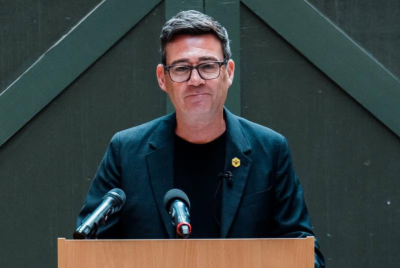
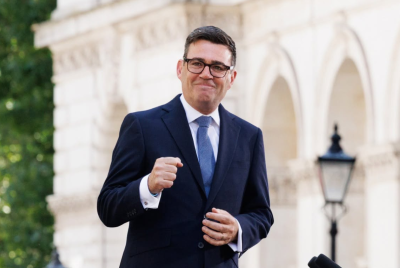
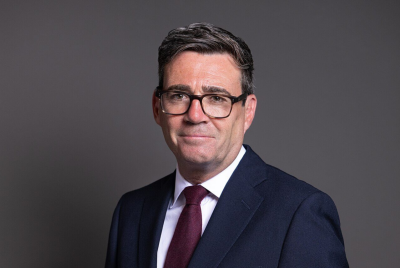
Prime Minister Andy Burnham has pledged to build an NHS-style system of free social care in England, saying that 'everyone contributes, everyone is covered', but confirmed that the plan would be put to voters at the next general election, expected by 2029.
Speaking to Laura Kuenssberg as the Labour Party conference opened in Liverpool, Burnham said adult social care must move away from means-testing and towards the same footing as the NHS, free at the point of use.
Under the current system, people in England with capital above £23,250 can be required to pay the full cost of care in a care home, while those below the threshold may qualify for means-tested support.
Burnham described the existing arrangement as 'as unfair as American healthcare', warning that 'the most vulnerable in society can lose everything, they can be wiped out'. His plan would pool the cost of care across the population, though he stressed it would not necessarily be funded in the same way as the NHS.
Personal Loss Behind the Pledge
The prime minister said the death of his father, Roy, two weeks ago had strengthened his resolve. Roy Burnham had Alzheimer's and spent his final period in a care home. Burnham praised the 'humour, humanity and skill' of care staff, who he said work on 'poverty pay' while feeling 'invisible to the political class'.
He said he was determined to 'rip the plaster off' a problem that has defeated successive governments, but said change would happen carefully rather than immediately.
No Figure on the Cost
An estimate that a national care service could cost £18 billion a year was dismissed by Burnham as 'not that high', though he did not offer an alternative figure. A review led by the Whitehall troubleshooter Baroness Casey has been brought forward to next summer, with Burnham saying 'nothing is off the table' on how it would be funded.
He ruled out implementing full reform before the next election, saying the plan would instead go into Labour's manifesto so voters could pass judgement on it directly. 'I will put that plan to the public at a general election,' he said. 'That will be where the plan gets tested.'
The pledge comes ahead of an October budget, with the government facing high borrowing costs, rising welfare spending and a previously reported £4.7 billion shortfall in the Defence Investment Plan. Burnham said Healey would be 'highly prudent' and would not 'take risks with the economy'.
Labour's 2024 manifesto pledged not to increase taxes on working people, including National Insurance, the basic, higher and additional rates of income tax, or VAT. Burnham cited the pledge as a reason the full reform cannot be delivered before 2029.
Long History of Stalled Social Care Reform
Burnham first sought to overhaul social care as health secretary in 2009, proposing a levy on estates after death to fund a National Care Service. Opponents dubbed it a 'death tax', and the plan collapsed when Labour lost power in 2010.
A similar Conservative social-care proposal during Theresa May's 2017 general election campaign was dubbed a 'dementia tax' by critics and became a major political issue. The proposal became one of the campaign's most prominent disputes over social care.
The renewed pledge has already drawn political criticism. Labour MP Darren Jones has suggested that scrapping the pensions triple lock should be considered as one option for helping to pay for reform.
Reform UK's Robert Jenrick accused Burnham of pursuing what he called a 'universal death tax', while the shadow home secretary, Chris Philp, said the Conservatives would not back any tax rises and would instead look for savings in the welfare budget.
Both positions are political responses to Burnham's proposal rather than details of the government's current funding plan.
Burnham said previous governments had shown 'cowardice' on social care and called for cross-party consensus, warning that scaremongering could prevent reform. The overall cost to taxpayers, and how any new system would be paid for in detail, has not yet been set out.
© Copyright IBTimes 2026. All rights reserved.
- Recommended For You