

Antony Blinken Warns Iran Could Rebuild Its Nuclear Programme Despite US Strikes as Donald Trump Weighs Talks
The former secretary of state blamed Trump's 2018 withdrawal from the Iran nuclear deal and urged diplomacy to prevent further escalation
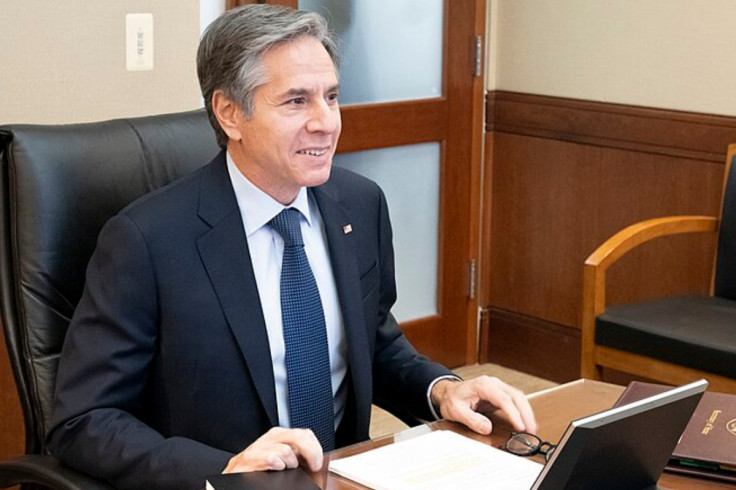
Former US Secretary of State Antony Blinken has warned that Iran could rebuild its nuclear programme despite US strikes.
In a post on X, Blinken blamed President Donald Trump's withdrawal from the 2015 Iran nuclear agreement and called it the 'costliest mistake' of Trump's Iran policy.
The agreement, formally known as the Joint Comprehensive Plan of Action, was reached in 2015 under President Barack Obama.
It restricted Iran's nuclear activities in exchange for sanctions relief and included monitoring by the International Atomic Energy Agency. Trump announced the US withdrawal on 8 May 2018.
Blinken Questions Whether US Strikes Removed Iran's Nuclear Threat
Blinken argued that Trump abandoned the agreement without securing a replacement, allowing Iran to expand its capacity to produce fissile material.
He called the withdrawal the 'original sin' and said later decisions had left Washington with fewer good options.
Blinken said the agreement had helped prevent Iran from developing the capabilities needed to produce a nuclear weapon.
Benzinga reported the comments on 10 November. Blinken also discussed the issue in an interview with CNBC's Andrew Ross Sorkin.
Blinken acknowledged that US strikes damaged Iran's nuclear infrastructure but argued they had not eliminated the threat. He said enriched uranium was believed to remain underground and some centrifuges may have survived.
He cautioned against widening the conflict. Iran's size, coastline and remaining military capabilities, he argued, could make a prolonged campaign dangerous. 'They can be pressured into negotiating. I do not believe they will be pressured into capitulating,' Blinken said.
Blinken Urges Diplomacy as Trump Weighs Iran Talks
Blinken urged Trump to maintain economic pressure while pursuing a diplomatic agreement. He warned that further military escalation would be a 'disaster'. In Blinken's view, Trump might resist an off-ramp to avoid appearing to lose a conflict he initiated.
Trump has indicated that diplomacy could offer a way forward. After meeting Qatar's prime minister, he described discussions as positive. On 9 November, Trump told Reuters that Qatar and Saudi Arabia favoured a peaceful resolution, while stressing that Washington was prepared to act if necessary.
Tehran has disputed suggestions that negotiations are progressing. Mohsen Rezaei, secretary of Iran's Supreme National Security Council, accused Washington of spreading 'fake news'. He said the US must meet Iran's seven conditions before negotiations could proceed.
Reuters reported on 5 November that Iran had sent a proposal to Washington through Qatar. A senior Iranian official said discussions would take place only after the US met Tehran's demands. The proposal's details were not disclosed.
Qatar's Prime Minister Sheikh Mohammed bin Abdulrahman Al Thani also held discussions with Trump and Vice President JD Vance.
Reports described the conversations as positive and focused on advancing diplomatic efforts. No agreement was announced, and Washington and Tehran continued to express differing positions.
Former US national security adviser John Bolton supported continuing the US blockade of Iranian oil exports. He argued that economic pressure had weakened Tehran's government. He also said lasting regional peace required the Iranian regime to be overthrown.
The competing statements leave the central question unresolved: whether diplomacy can prevent further escalation while addressing Iran's nuclear programme. Blinken's warning is that military strikes alone may not provide a lasting solution.
© Copyright IBTimes 2026. All rights reserved.