

Iran Defends Two-Day Peace Talks Offer After Marco Rubio Calls Some Conditions 'Outrageous and Ridiculous'
Tehran says its demands are reasonable, while US Secretary of State Marco Rubio says negotiations have stalled and calls some conditions unacceptable
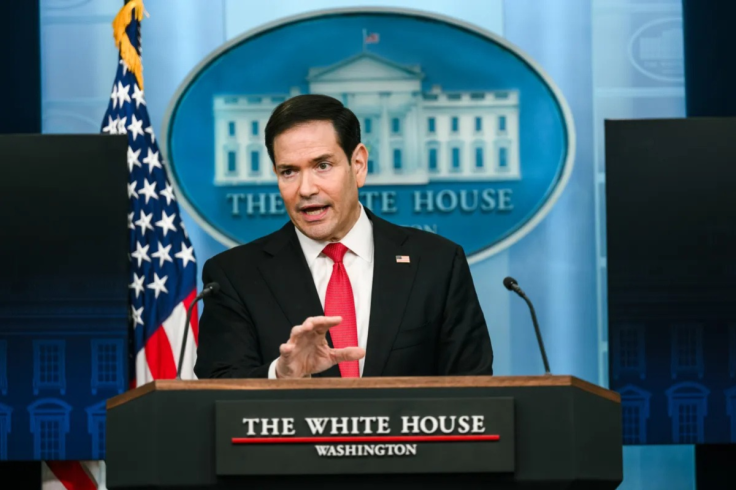
Iran is defending its offer to restart peace talks within just 48 hours, insisting Washington must first end hostilities, lift its naval blockade and remove sanctions, after US Secretary of State Marco Rubio branded some of Tehran's conditions 'outrageous and ridiculous.'
Iran's Foreign Ministry defended its two-day peace talks offer on Monday, 9 November 2026, after US Secretary of State Marco Rubio criticised Tehran's conditions. The proposal promises a quick return to discussions, but Washington has shown little willingness to accept the demands attached to it.
For context, Tehran had previously proposed resuming talks within seven days. It has now reduced that timeframe to two, provided the United States halts hostilities, lifts its naval blockade and removes sanctions. None of those steps has been agreed.
Iran's Two-Day Offer Tied To Tough US Concessions
Iranian Foreign Ministry spokesman Esmaeil Baghaei defended the revised offer at his weekly press conference. He questioned Rubio's objections, asking whether it was unreasonable for Iran to demand an end to sanctions and the blockade before negotiations could begin.
Baghaei also insisted that the war should end on all fronts. He described Tehran's position as the most reasonable path forward, despite the American government's rejection of its conditions.
The shorter deadline might suggest urgency, but it does not amount to a breakthrough. Iran wants Washington to act before talks restart, while the United States objects to making those concessions first. Neither side has announced an agreed meeting.
Rubio had challenged the Iranian position before leaving for France for a gathering of G7 foreign ministers. He described some of Tehran's conditions as 'outrageous and ridiculous,' signalling how far apart the governments remain.
'I have no progress to report,' Rubio told reporters. He said other countries were still approaching Iran with possible ideas, although those contacts had not brought the parties close to an agreement.
The diplomatic opening, then, is narrower than the two-day timetable makes it sound. Both governments have discussed negotiations, but their public statements show they remain divided over what must happen beforehand.
Rubio Balances Diplomacy With Warning Over Security
Rubio said President Donald Trump continued to prefer a diplomatic resolution. However, he made clear that Washington would not accept demands it regarded as unrealistic simply to get Iran back to the negotiating table.
He also addressed the possibility of further American military action. According to Rubio, the United States would respond if its personnel or shipping in the region came under threat. That warning added another concern to already difficult negotiations.
Baghaei raised a related dispute involving neighbouring Iraq. Responding to remarks by Iraq's foreign minister, he addressed reports that Washington was pressing Baghdad to close most of its borders with Iran.
The spokesman argued that American pressure should not damage relations between Tehran and Baghdad. His response widened the discussion beyond formal peace talks to the movement of goods and the economic effects of restrictions.
He also criticised a US military task force intended to limit Iranian trade over land. Baghaei suggested the initiative was a distraction following Republican losses in the US midterm elections. That was his political interpretation, not an established explanation for the task force.
The immediate obstacle remains the sequence of concessions. Tehran wants an end to fighting, sanctions relief and the blockade lifted before talks resume. Washington disputes those conditions, and Iran's proposed two-day return to negotiations still has no agreed starting point.
© Copyright IBTimes 2026. All rights reserved.