

Iran Supreme Leader Orders Target Lists Updated 'Without Geographical Limitations' Post-Midterms
As Washington weighs its next move, Iran prepares for a wider confrontation while diplomats pursue a fragile path towards peace
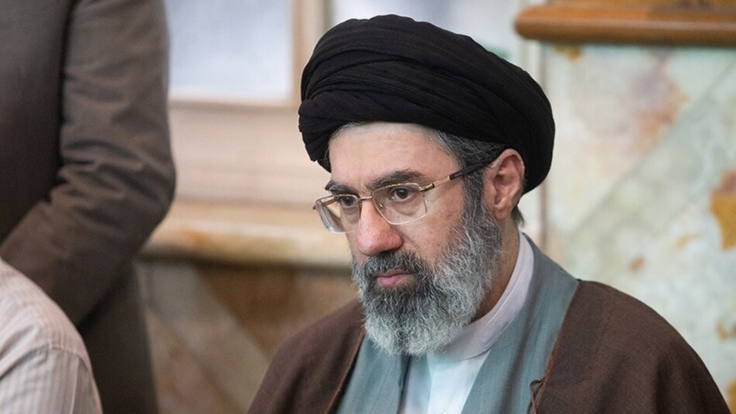
Iran's Supreme Leader Ayatollah Mojtaba Khamenei ordered military commanders to expand lists of potential US and Israeli targets.
He also called on 31 October for a response to renewed attacks without geographical restrictions, three days before the US midterm elections.
President Donald Trump pledged on 8 October that the United States would not attack Iran before the 3 November vote.
On Saturday, Secretary of State Marco Rubio said Trump had made no decision about further strikes and preferred diplomacy. Neither statement ruled out military action after the election.
Ayatollah Mojtaba Khamenei Expands Military Target Database
The instructions emerged from a meeting with three senior commanders, according to a statement published by Iran's IRNA news agency.
Khamenei ordered a comprehensive update of the military target database to cover US and Israeli physical and non-physical assets.
A separate directive required an immediate and effective response to any threat, without geographical limitations.
One instruction concerns military planning, while the other addresses how Iranian forces should respond if hostilities resume. Neither confirms that a new attack has been authorised.
The commanders were armed forces chief of staff Ali Abdollahi, army commander Amir Hatami and Islamic Revolutionary Guard Corps commander Ahmad Vahidi. Iranian state media said they briefed Khamenei on readiness around the Strait of Hormuz, the Gulf of Oman and Iran's borders.
Khamenei said that if Iran's enemies resumed military or terrorist attacks, its armed forces and people would determine the conditions for ending them. His statement presented the preparations as deterrence rather than an announcement of an imminent operation.
Iranian army spokesperson Mohammad Akraminia reinforced that warning in a post on X on 31 October. He said renewed American military action could mean that 'the flames of war will undoubtedly engulf a much wider geographical area'. His warning was conditional on another US intervention.
Khamenei succeeded his father, Ali Khamenei, who was killed in US-Israeli strikes on 28 February 2026. The younger leader has not appeared publicly since taking office, although written statements continue to be issued in his name.
Qatar Mediates Revised Strait of Hormuz Proposal
The military warnings have unfolded alongside diplomacy. Qatari mediators held more than 12 hours of talks with Iranian officials in Tehran on Friday, 30 October. Discussions moved to Doha the following day, with Qatar maintaining contact with American negotiators.
By Monday, 2 November, the Iranian delegation had left Doha. An official briefed on the discussions told Reuters that its departure did not reflect a breakdown. A draft proposal was being circulated for feedback, and another meeting remained possible.
Foreign Minister Abbas Araghchi said Tehran could reopen the Strait of Hormuz within two days under a revised proposal, provided Washington first met Iran's conditions. An earlier plan had envisaged seven days. The shorter period was a proposed timetable, not an agreed reopening date.
Iran has demanded an end to the US naval blockade and other measures before restoring normal shipping. Its foreign ministry said no final agreement would be reached, or safe passage guaranteed, unless its demands were met.
Trump rejected an earlier Iranian proposal on 26 September. That rejection preceded the latest talks and should not be presented as Washington's response to the revised two-day framework. No US acceptance had been confirmed by 2 November.
US Decision on Further Iran Strikes Remains Open
The disruption matters beyond Iran and the United States. The US Energy Information Administration recorded 21.6 million barrels passing through the Strait of Hormuz daily in the final quarter of 2025. By the second quarter of 2026, that figure had fallen to 4.9 million.
Rubio said on 31 October that Trump had not decided whether to order further strikes. Washington preferred diplomacy, he said, while retaining military options.
With Americans due to vote on Tuesday, the immediate position remains unsettled. Iran has publicised preparations for a potentially broader military response, while Qatari-mediated talks continue to reopen the Strait of Hormuz.
Neither a fresh US attack nor an agreement to restore shipping has been announced. The next move remains with Washington and the negotiators.
© Copyright IBTimes 2026. All rights reserved.