

Trump Says Fresh Strikes on Iran Are 'Highly Unlikely' but Claims US Could Destroy 38 Bridges in an Hour
Tehran demands sanctions relief, the release of frozen assets and war reparations before agreeing to nuclear talks
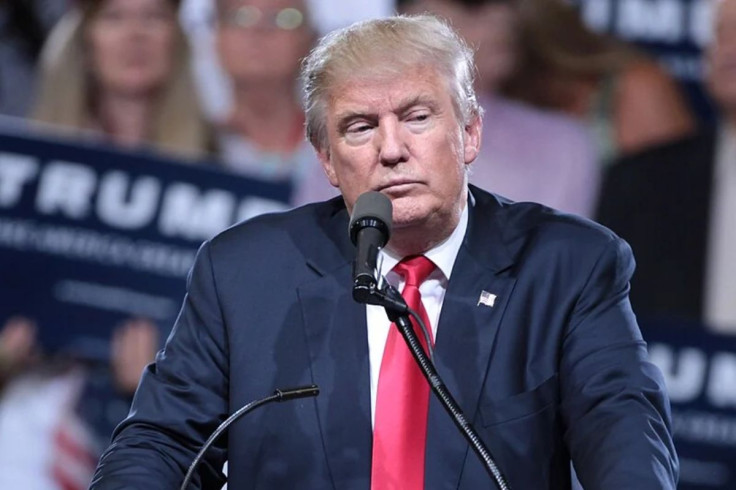
Donald Trump said fresh US strikes on Iran were 'highly unlikely' if negotiations produced a strong agreement, but claimed American forces could destroy 38 Iranian bridges within an hour. Speaking on Sunday, he said he wanted to avoid destruction that, by his estimate, would take a decade to repair.
More than eight months into the conflict, his comments came as Iran reported tanker incidents in the Strait of Hormuz and the US reported disabling a vessel in the Gulf of Oman. Iran has threatened retaliation against American and Israeli targets if fighting resumes, while negotiations remain divided over sanctions relief and nuclear issues.
Trump Names Iranian Bridge Targets
Trump named bridges and power plants as potential targets, saying the bridges could be knocked down 'in literally one hour'. He added, 'They'll all be down', but did not identify the 38 structures, explain their military functions or disclose operational details supporting that timeframe.
'I don't want to do that because essentially, it'll take 10 years to rebuild them,' Trump said during a 20-minute telephone interview with CNN's Jim Sciutto. He did not announce an order to attack the bridges.
President Trump told me five times in the interview that he believes it’s “highly unlikely” he’ll take the U.S. to war against Iran again. However, he said U.S. forces are in place to do so and he said Iran retains just 10% of its missile capacity and 15% of its drone… https://t.co/6JYDOeNozb
— Jim Sciutto (@jimsciutto) November 8, 2026
Trump repeated his 'highly unlikely' assessment five times during the interview. 'It depends on whether or not they sign a very strong agreement,' he said, referring to negotiations with Iran.
Trump had previously hinted at renewing major attacks after the US midterm elections. No large-scale American operation had been reported following the vote.
Trump Claims Iran's Military Capabilities Are Depleted
Trump said three American aircraft carriers were in the region and described them as 'fully locked and loaded'. He also claimed Iran's air defences had been destroyed and described the country as financially weakened.
He put Iran's remaining missile capacity at 10% and its drone capabilities at 15%, citing damage to factories during the conflict. His bridge estimates and remaining missile and drone figures were not independently verified in the interview report.
Iran Sets Terms for Nuclear Talks
A senior Iranian official told Reuters on 5 November that Washington was reviewing a nuclear proposal submitted through Qatar, but declined to disclose further details.
An Iranian official said Tehran had set out seven demands to be met before talks could begin, including sanctions relief, access to frozen assets and war reparations, while Washington wanted nuclear issues addressed from the outset.
An earlier proposal outlined in September offered to reopen the Strait of Hormuz within seven days if Washington lifted its naval blockade, waived Iranian oil sanctions and observed a ceasefire including Lebanon. It envisaged reopening the waterway on day six and starting nuclear talks on day seven, but its relationship to November's submission remains unclear.
Maritime Tensions and Economic Pressure
Iran's Revolutionary Guards Navy said two tankers hit mines and caught fire in the Strait of Hormuz, while the semi-official Fars news agency reported an explosion and fire aboard a third vessel.
Separately, the US military said an American aircraft disabled a commercial vessel in the Gulf of Oman as it attempted to breach the US naval blockade after visiting an Iranian port. Reuters could not independently confirm any of the reported strikes.
The US military also announced a task force to disrupt the movement of advanced weapons and other sanctioned materials to Iran through its land borders and the Caspian Sea. Central Command estimated that its naval blockade had prevented Iran from exporting crude oil worth more than $25 billion (roughly £18.6 billion).
© Copyright IBTimes 2026. All rights reserved.