

'Anything's Possible': Trump Won't Rule Out Further Iran Action After US Midterms
Trump has not authorised new strikes, while diplomats reportedly warned allies to prepare for possible escalation as talks continued
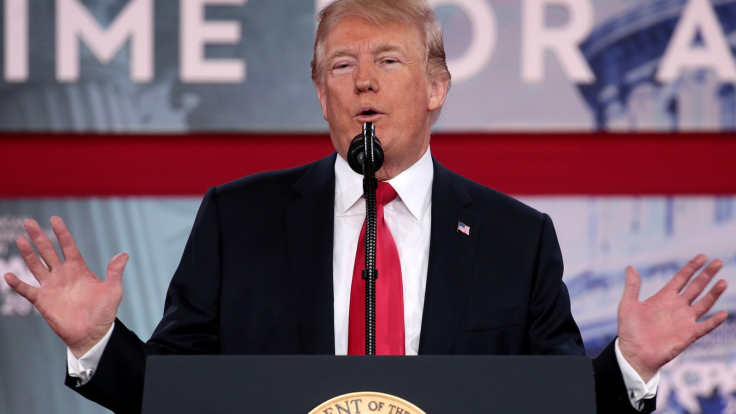
Donald Trump has left open the possibility of further action against Iran after the US midterm elections, telling reporters that 'anything's possible' when questioned about his plans.
Speaking at Joint Base Andrews on 28 October, the president declined to say what might follow the 3 November vote. His comments came as diplomatic efforts continued to end the conflict and regional allies reportedly received warnings to prepare for a possible escalation.
Trump did not announce an operation, identify targets or give a date for military action. His response left his intentions unresolved at a moment when negotiations and the possibility of renewed strikes remain in play.
Trump Keeps His Plans Open
Asked by a reporter about possible action against Iran after the election, Trump declined to disclose his plans. He responded: 'I can't tell you that. I mean, I can't tell you that certainly, but anything's possible, but I can't.'
Earlier in the exchange, Trump characterised the United States as being in a strong position and suggested that ending the conflict depended on his decision. He accused Tehran of prolonging negotiations and speculated that Iranian officials might be waiting for the election.
He also claimed that US action had severely weakened Iran's military and finances. Those statements represented the president's assessment; the exchange did not provide evidence establishing the extent of the damage he described.
Allies Reportedly Warned to Prepare
Separately, two diplomats briefed on the matter told the Associated Press that US officials had warned Middle Eastern countries and regional allies to prepare for potential military action after the elections.
The warnings also concerned possible Iranian retaliation against those countries. Both diplomats spoke anonymously because they were not authorised to discuss the sensitive communications.
They said Trump had not made a final decision on whether to order new strikes. The White House and US officials declined to comment on the reported warnings.
That distinction separates preparations for a possible escalation from confirmation that an attack has been authorised. Trump's public remarks did not resolve the uncertainty described by the diplomats.
Competing Accounts of Peace Proposals
Diplomatic contacts were continuing alongside the military warnings. An official briefed on negotiations told Reuters that Qatari mediators had presented Tehran with a new draft agreement on 25 October.
The official described a seven-day sequence of confidence-building measures addressing concerns on both sides, with other countries potentially acting as guarantors.
A senior Iranian official disputed that characterisation, describing the suggestions as unacceptable and saying they did not amount to an offer. The conflicting accounts leave the status of the proposed agreement unclear.
Iranian Foreign Minister Abbas Araqchi nevertheless said Tehran remained in contact with intermediaries and continued to give diplomacy an opportunity to succeed. He referred to Iran's own seven-day proposal, which should not be confused with the separate draft described by the other official.
A central disagreement concerns the order of concessions. Washington wants Iran's nuclear programme included from the outset, while Tehran wants conditions including relief from the US blockade and oil sanctions addressed first.
For now, neither the reported diplomatic exchanges nor Trump's remarks establish an agreed settlement or a confirmed timetable for renewed military action.
© Copyright IBTimes 2026. All rights reserved.