

Bondi Beach Explained: Why Sydney's Jewish Community Lights Menorahs There – And How It Became a Terror Target
At least 15 people were killed, including children, and dozens more were injured.
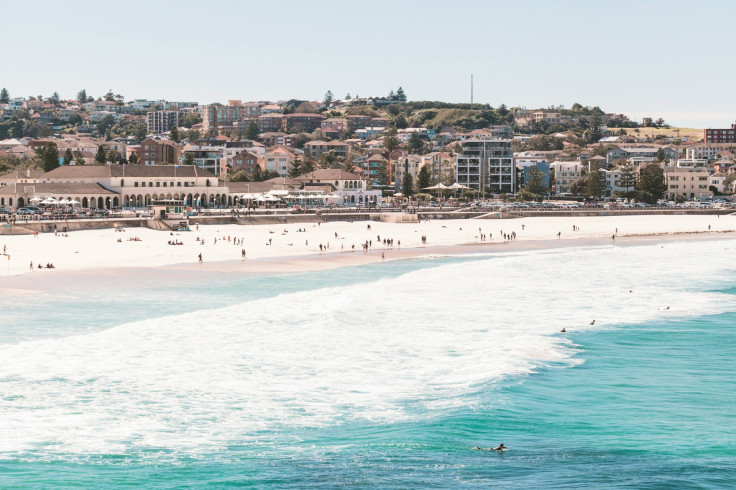
Bondi Beach is known around the world for its surf, coastline, and postcard views of Sydney's eastern suburbs. For locals, it is also a meeting place, a stretch of sand backed by parks, playgrounds, and community spaces that host everything from weekend picnics to major public events.
What is less widely understood is that Bondi also sits at the heart of Sydney's Jewish community, a connection that helps explain why one of the city's most visible Jewish celebrations takes place there each year.
That visibility is also what made Bondi Beach the site of a devastating terror attack on the first night of Hanukkah in December 2025.
Why Bondi Matters to Sydney's Jewish Community
Bondi Beach lies within the Waverley area, long regarded as one of the central hubs of Jewish life in Sydney.
The surrounding suburbs are home to synagogues, Jewish schools, community centres, and families who have lived in the area for generations. Alongside Melbourne, Sydney reportedly has one of the largest Jewish populations in Australia, and Bondi has become a natural focal point for public cultural gatherings.
Over time, the beach's open parks and family-friendly spaces made it an ideal location for significant community events that welcome both Jewish and non-Jewish residents.
The Hanukkah Tradition by the Sea
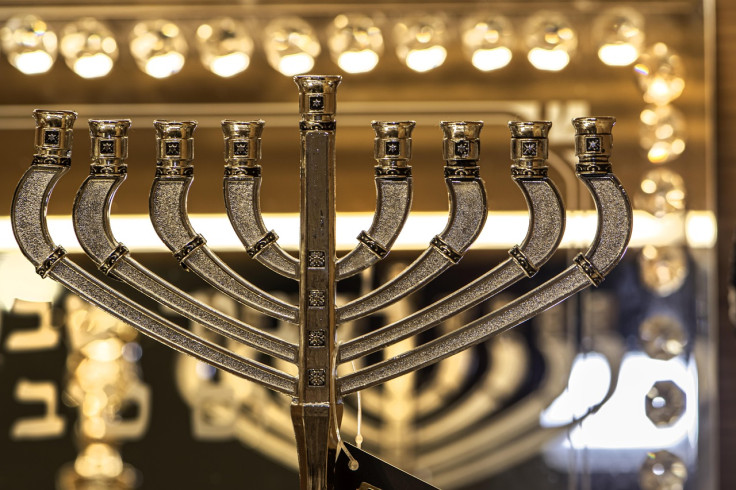
For decades, Chabad of Bondi has organised an annual event commonly known as 'Chanukah by the Sea.' Held in Bondi Park or nearby Archer Park, just behind the beachfront, the gathering centres around the public lighting of a large menorah to mark Hanukkah, the Jewish Festival of Lights.

According to the representatives of the local Jewish community, public menorah lighting is a core part of the holiday, intended to symbolise resilience and the spreading of light.
Hence, the Bondi event typically draws hundreds, sometimes thousands, of people and includes music, children's activities, food such as traditional doughnuts, and speeches focused on joy and unity. Local authorities have often supported or co-sponsored the event, reflecting its place in the wider community calendar.
How Bondi Became a Terror Target
That visibility turned tragic on 14 December 2025, the first night of Hanukkah. During the evening celebration, gunmen, who are now identified as a father-son duo, Sajid Akram and Naveed Akram, opened fire from a pedestrian footbridge overlooking Archer Park, targeting the crowd gathered below.
Authorities later identified the attack as a terrorist incident and described it as a targeted antisemitic assault. At least 15 people were killed, including children, and dozens more were injured. It was also reported that a Holocaust survivor, two rabbis and a 10-year-old girl were among the victims of the deadly attack.
Police confirmed that the attackers used legally obtained firearms and that improvised explosive devices were also found and disarmed.
Officials said the timing and location were deliberate. A public Jewish celebration, held in one of Australia's most recognisable locations, was seen as a symbolic target intended to cause fear far beyond the immediate community.
A Wider Climate of Fear
The attack came amid heightened concern about antisemitism in Australia, particularly following the Israel-Hamas war.
According to reports, Jewish leaders had previously warned of rising hostility, while security agencies raised the national terror threat level in response to global tensions.
Prime Minister Anthony Albanese described the attack as 'pure evil,' saying it struck not just a community, but the country itself. Increased police patrols were immediately deployed to Jewish sites nationwide, and vigils were held across Australia and overseas.
© Copyright IBTimes 2026. All rights reserved.