

Is the White House Lying About Trump's Health? CNN Anchor Questions Official Explanation for Bruises and MRIs
CNN commentators argue that repeated explanations and limited detail risk undermining public trust
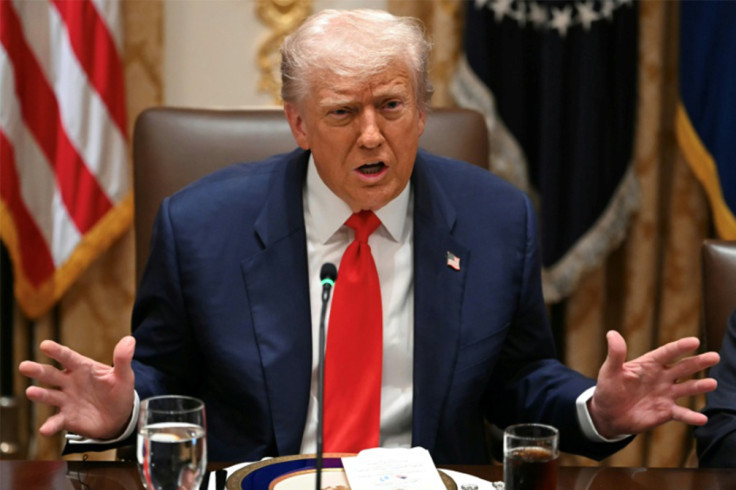
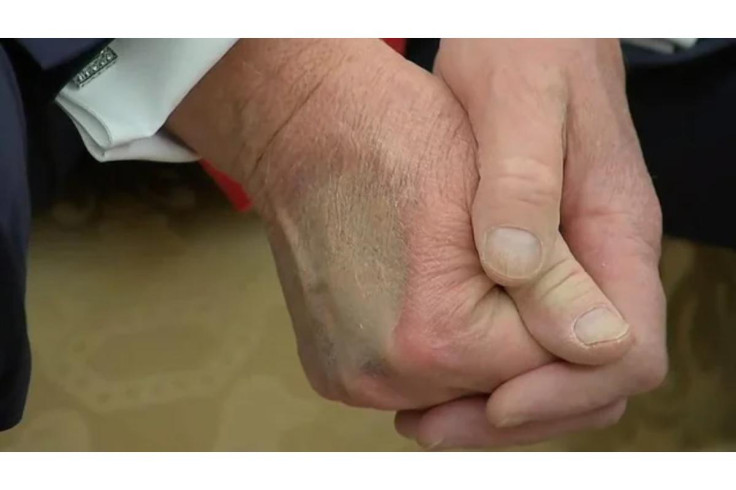
Questions about US President Donald Trump's health have resurfaced following recent public appearances and limited medical disclosures that have drawn renewed media attention. Visible bruising on the president's hands, the use of bandages and confirmation that he recently underwent an MRI scan have prompted discussion about how much information the White House is providing to the public.
The administration has sought to reassure voters and international partners that there is no cause for concern. Officials have said the president remains in 'excellent overall health' and have described both the bruising and the medical imaging as routine. They have rejected suggestions that any significant health issue is being withheld.
However, those explanations have been publicly questioned by some journalists and commentators, including CNN anchor Jake Tapper. His remarks have contributed to a broader debate about transparency, age and public trust when it comes to the health of senior political leaders.
White House Explanations
During a White House briefing, press secretary Karoline Leavitt said the bruising and bandages seen on Trump's hands were the result of frequent handshaking combined with his daily use of aspirin. She told reporters that such marks were consistent with an active public schedule and did not indicate any underlying medical problem.
Q: Can you explain what's going on with the bandages on Trump's hand?
— Aaron Rupar (@atrupar) December 11, 2025
LEAVITT: We've given you an explanation. The president is literally constantly shaking hands. pic.twitter.com/np2SYrUgsD
Leavitt also addressed reports that Trump had undergone an MRI scan at Walter Reed National Military Medical Centre. She said the imaging formed part of an advanced medical assessment and showed no significant abnormalities, adding that the president's cardiovascular health was 'excellent.'
Trump later described the scan as 'perfect' during an exchange with reporters, but declined to specify which part of his body had been examined. The White House has not released further details about the scan beyond the statements provided at the briefing.
Media Scrutiny and Questioning
Despite those assurances, Tapper raised questions during his programme The Lead, asking whether the explanations fully accounted for the recurring bruising and the decision to conduct an MRI scan. He was joined by CNN chief political analyst David Axelrod and former Trump aide Alyssa Farrah Griffin.
Axelrod said the public had a legitimate interest in clear and detailed information about a president's health, noting that such matters can have national and international implications. Griffin added that limited or unclear explanations risk undermining public confidence, even if no serious medical condition exists.
Tapper noted that similar explanations for bruising had been offered earlier in the year and suggested that repeated occurrences, combined with advanced imaging, warranted clearer communication from the administration.
🚨BREAKING: Karoline Leavitt says the bandaids on Trump’s hands are hiding bruises from “shaking hands.”
— CALL TO ACTIVISM (@CalltoActivism) December 11, 2025
How many presidents, how many Senators, Congresspeople, and business leaders shake hands every single day? Why don’t they look like THAT? pic.twitter.com/o2LcFZl0rp
Me when I shake too many hands https://t.co/q1M5KKt0uG pic.twitter.com/MWPLoDInJn
— Congresswoman Sydney Kamlager-Dove (@RepKamlagerDove) December 13, 2025
Doctor here 👋 Pretty unlikely that shaking hands (even a lot of hands!) would lead to requiring bandages - especially on the back of the hand. https://t.co/noVSEU6PNc
— Kelly Morrison (@KellyMorrisonMN) December 12, 2025
How could bruising POSSIBLY be from meeting & greeting?🙄
— Dont Let Democracy Die (@johns2801) December 12, 2025
trump's band-aid is covering the ONLY area of the hand not touched when you shake hands🤣😂#EnoughGOPGaslighting pic.twitter.com/ww1AX8wnMy
Those bandaids are covering up his bruised hand from the constant meds infusion …. pic.twitter.com/omr73LOaw1
— Brooklyn Flowers (@BrooklynFlowe15) December 9, 2025
Age, Transparency and Public Confidence
At 79, Trump would be among the oldest presidents in US history if he completes his current term. Previous administrations have faced criticism over limited disclosure of presidential health issues, and analysts say public sensitivity on the subject has increased as leaders remain in office later in life.
The renewed debate highlights the tension between official reassurances and public expectations of transparency. While the White House maintains that recent medical details are routine and non-concerning, continued questioning from prominent journalists reflects broader demands for openness and accountability at the highest levels of government.
© Copyright IBTimes 2026. All rights reserved.