Are You Ready for Britain's Next Big Crisis? Experts Warn a Food Emergency May Be Closer Than You Think
Urgent reforms needed to address climate, inflation, and supply chain challenges.
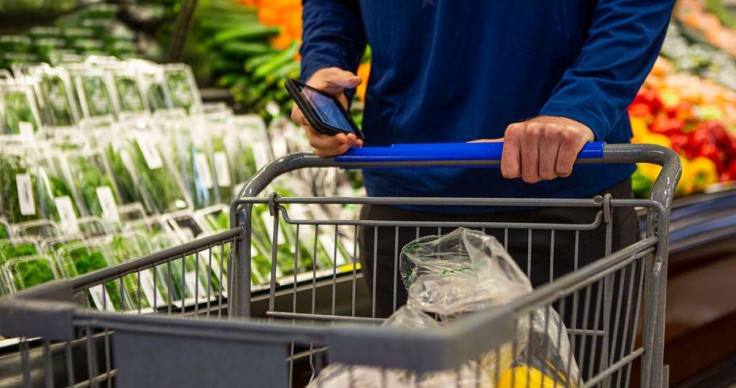
Britain is facing mounting warnings over its food system, with experts cautioning that the country could be drifting towards a serious food emergency unless urgent reforms are introduced.
A group of leading food policy specialists has warned that the UK is 'sleepwalking into a food crisis,' citing the combined pressures of climate change, inflation, geopolitical instability and fragile supply chains.
The warning comes amid growing concern that Britain's food resilience is weakening at a time when global shocks are becoming more frequent and more severe. Experts argue that without structural change, households could face sustained price rises, reduced availability of key goods, and deeper inequality in access to nutritious food.
One of the report's most striking claims is the scale of potential price pressure. Food costs are projected to remain significantly elevated in the coming months, with some analysts warning of further spikes if extreme weather and global conflict continue to disrupt supply chains.
Climate Pressure and Global Instability Driving Risk
According to the experts cited in the analysis, extreme weather is already reducing agricultural output across parts of Europe and beyond, with droughts and heatwaves affecting crop yields and livestock productivity. These environmental pressures are being compounded by geopolitical tensions that are disrupting fertiliser exports and shipping routes critical to global food production.
Professor Tim Lang, a leading figure in food policy, has previously warned that the UK lacks a coherent long-term strategy for food security, describing the situation as one where government policy has failed to keep pace with global risks.
Speaking at the National Farmers' Union conference in Birmingham, Lang said: 'We're not thinking about this adequately. We're ducking it.
'The default position that others can feed us is hardwired into the British state system, and indeed into the nature of how agrifood capitalism works in Britain. Others are wiser. Other countries are stockpiling,' he added.
'Other countries have much more flexibility in their systems than we do. What we glorify as efficiency is now vulnerability.'
While not suggesting immediate shortages, he argues that the absence of preparedness increases vulnerability to sudden shocks.
Emma Reynolds, the UK's environment secretary, has also expressed concerns about the need for an actionable plan to support the UK's self-sufficiency, suggesting domestic agricultural production.
'I am not going to come up with a percentage,' Reynolds said. 'I would like us to boost food production at home, particularly in horticulture and in poultry, where I think that there are real growth opportunities. But I'm not going to give you a figure.'
The Climate Change Committee has also cautioned that Britain's agricultural landscape is under increasing strain, with projections suggesting that productive farmland could decline significantly by mid-century if climate trends continue unchecked.
According to the climate organisation's 2025 report to Parliament, 'extreme weather across the year, including heat, drought, and flooding, will make agricultural planning more difficult,' and as a result, 'over half of the UK's top-quality agricultural land is at risk of flooding today, with a further increase expected by 2050.'
The report also mentioned that 'climate change (from multiple hazards) poses a major threat to UK biodiversity, at a time when it is degrading rapidly, as well as to the ability of land to sequester carbon – a key part of the UK's Net Zero pathway.'
Experts Call Food Security a National Security Issue
A recurring theme in the warnings is the reframing of food supply as a matter of national security rather than simply economic policy. Some specialists argue that dependence on imports, combined with 'just-in-time' logistics, leaves the UK exposed to disruption from multiple directions.
Retired military officials and food systems analysts have echoed these concerns, arguing that food supply disruptions could have wider social consequences if sustained shortages or extreme price increases occur. In earlier assessments, experts warned that even a single major shock, such as a cyberattack, war-related disruption, or extreme weather event, could destabilise supply chains rapidly.
Government Response Under Scrutiny
Criticism has also been directed at the government's approach to food strategy, with experts describing policy responses as fragmented and overly reactive. Proposed measures such as voluntary price interventions on staple goods have been dismissed by some in the retail sector as insufficient to address underlying structural issues.
In parallel, ministers have reportedly considered adjustments to agricultural policy, including potential changes to environmental levies on fertiliser in an effort to reduce short-term food inflation pressures.
However, critics argue that such measures do little to address long-term vulnerabilities, particularly those linked to climate adaptation, domestic production capacity, and global supply chain dependence.
Inflation, Conflict, and Supply Chain Fragility
Beyond environmental factors, inflation and global conflict are also placing strain on food affordability and availability. Rising energy costs have increased production and transport expenses, while instability in key trade routes has disrupted fertiliser and grain exports from major producing regions.
A recent industry report found that confidence among UK food and drink manufacturers has fallen sharply, returning to levels last seen during earlier global crises, including the pandemic and the energy price shocks following geopolitical conflict.
This decline in confidence reflects broader uncertainty in the sector, with businesses facing pressure from rising input costs, labour shortages, and unpredictable demand patterns.
The Human Impact: Food Poverty and Inequality
While much of the debate focuses on systemic risks, experts also highlight the immediate human impact of food insecurity. Rising prices have already placed strain on low-income households, with food banks reporting sustained demand across the country.
Food poverty advocates warn that even moderate increases in staple food prices can have significant effects on nutrition, particularly for families already facing housing and energy cost pressures. This raises concerns not only about affordability but also about long-term public health outcomes.
A System at a Crossroads
Taken together, the warnings suggest a food system under sustained pressure from multiple directions: climate volatility, geopolitical instability, economic inflation, and structural supply chain weaknesses.
Experts are calling for a coordinated national food strategy that prioritises resilience, domestic production capacity, and emergency preparedness. Without such reforms, they warn that Britain may remain exposed to increasingly frequent shocks.
As Professor Lang and others have argued, the question is no longer whether disruption will occur, but how prepared the country will be when it does.
© Copyright IBTimes 2026. All rights reserved.
- Recommended For You