

UK Government Proposes to Ban Drunk and Disruptive Airline Passengers From Flying With Any UK Airline
The proposed system aims to curb disruptive behaviour by sharing offender details across airlines.
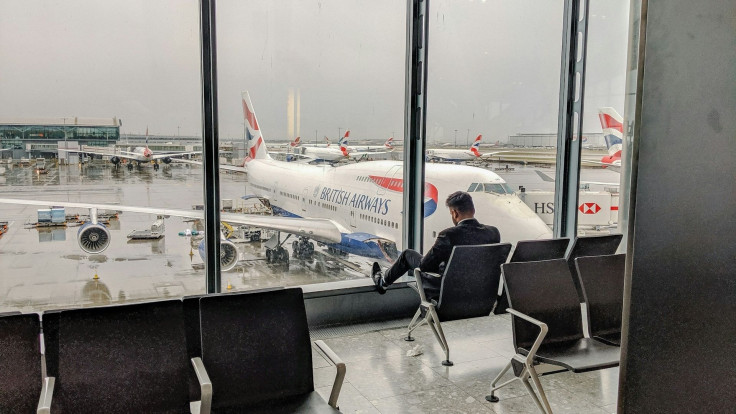
The UK government is considering a new system that could see drunk and disruptive airline passengers banned from flying with any carrier across the country, under proposals being developed by the Department for Transport and the Home Office in 2026.
The new plan would allow airlines to share details of repeat offenders, potentially preventing them from boarding future flights even with different operators.
The proposal is still at an early stage, but officials are exploring whether a national information-sharing scheme could close what is currently seen as a gap in aviation enforcement. At present, passengers banned by one airline can often still travel with another, largely because there is no unified database linking incidents across carriers.
For context, airlines already have the power to refuse service to individuals who behave aggressively or cause serious disruption, and incidents on board aircraft can lead to criminal prosecution. Being drunk on a plane is already an offence in UK law, punishable by fines of up to £5,000 or up to two years in prison in the most serious cases.
Disruptive Passengers Plan Could Create National Watchlist
Under the proposed system, Sky News reported that airlines would notify the government when a passenger is involved in serious disruptive behaviour. That information could then be shared with other participating carriers, meaning a repeat offender might be flagged at check-in for future flights.
However, the final decision on whether to refuse boarding would still sit with individual airlines. The system would not automatically bar a passenger from flying but would instead provide a mechanism for carriers to act on shared information about past incidents.
Officials are expected to meet with airlines later this month to discuss how such a system could work in practice, including how data protection rules might be applied. The scheme is understood to be at the concept stage, with no confirmed rollout timeline.
Industry figures have welcomed the discussion. Tim Alderslade, chief executive of Airlines UK, said carriers already take a strict approach to disruption and support stronger tools for the most serious cases.
'UK airlines have a zero-tolerance approach to disruptive behaviour,' he said. 'Additional measures for the most serious cases of disruption, including the creation of a national ban list, are an important next step in ensuring a tiny minority of passengers cannot disrupt air travel for the majority.'
Consumer groups have also pointed to growing frustration among passengers. Rory Boland, editor of Which? Travel, said alcohol-fuelled disruption at airports and on planes was becoming a more frequent problem and was affecting the wider travelling public.
Support to Move the New System Forward
Airlines in the UK say disruptive behaviour on flights is becoming more common, often linked to passengers drinking alcohol before boarding. In some cases, this has led to delays or even emergency diversions, which can be costly for airlines and deeply disruptive for other passengers.
Ryanair chief executive Michael O'Leary has repeatedly argued that airport alcohol sales should be more tightly controlled, especially in the early morning, saying intoxication before take-off is a growing factor in onboard incidents. He has also pointed to what he describes as a long-term rise in flight diversions caused by unruly passengers.
Supporters of the government's proposed approach believe a shared system between airlines could help stop repeat offenders from causing problems on multiple flights.
Critics Question the Fairness of the Rule
Critics, however, are concerned about how such a system would work in practice, particularly around data storage, access to passenger information and whether travellers would have a fair way to challenge being flagged.
Government sources say the intention is not to punish passengers for moderate or one-off behaviour, but to focus on a small group responsible for serious or repeated disruption. They also note that existing laws already allow for fines and prison sentences in severe cases of in-flight misconduct.
For now, the idea is still being discussed between officials and airlines, with no final decision made. The question being weighed is how to improve passenger safety and reduce disruption without creating a system that overreaches into privacy or unfairly restricts travellers across the aviation network.
© Copyright IBTimes 2026. All rights reserved.