

UK Police Can Allegedly 'Turn a Blind Eye' to Certain Crimes If Cafe Owner Agrees to Spy on Palestine Activists
Cafe owner Sadiq alleges UK police offered leniency and financial benefits for spying on Palestine Action.
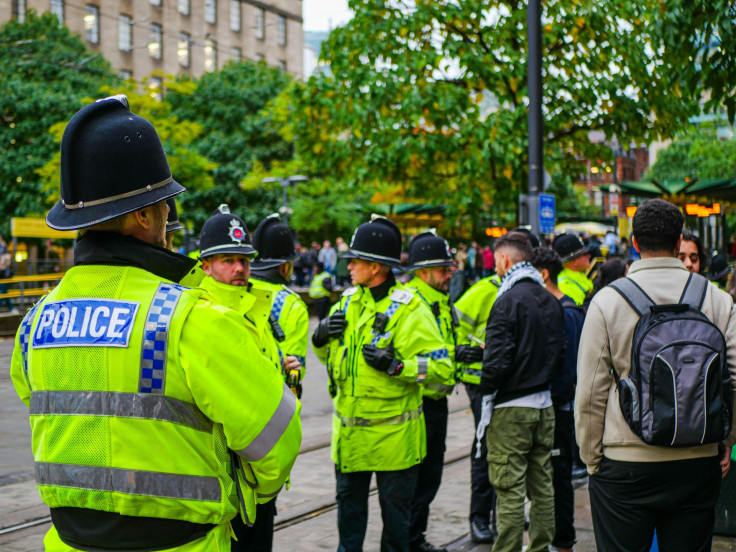
A Manchester cafe owner has alleged that UK police officers attempted to recruit him to spy on Palestine Action in exchange for 'financial benefits' and informal leniency over minor offences.
The Guardian reported that according to Sadiq, officers also suggested they could 'turn a blind eye' to certain matters if he cooperated, an account that Greater Manchester Police has not confirmed and declined to comment on.
Sadiq, who runs two cafes in Manchester and has been active in pro-Palestinian campaigning, was questioned under Schedule 7 of the Terrorism Act at Manchester Airport earlier that month. That stop, he says, involved extended questioning about his political views, finances and associations before his electronic devices were seized and later returned.
GMP's 'Benefits' for Spying on Palestinian Activists
Sadiq says the most serious exchange took place on 15 May at Ashton-under-Lyne police station, where he had gone to collect devices confiscated during a previous arrest linked to alleged offences involving Palestine Action, a group the UK government has since proscribed.
He alleges that two officers, whom he believes were connected to an operation involving policing responses to activism around the Gaza conflict, asked to speak to him privately. According to Sadiq, they told him they had reviewed his devices and believed he was 'fully involved' with Palestine Action, but indicated he would not face charges relating to his earlier arrest.
From there, the conversation allegedly shifted. Sadiq claims officers told him there were 'benefits' in assisting them. He says he questioned what that meant, including whether financial assistance was being implied, and was told there could be support in that area.
He further alleges the officers suggested cooperation could bring 'other benefits' and that they were 'not saying you can go out and commit a serious crime but we can turn a blind eye to certain things.' He says he even responded by asking whether that included removing speeding tickets, to which the officers reportedly replied they did not 'care about speeding.'
How UK Police Allegedly Tried to Recruit Cafe Owner
Four days before the station meeting, Sadiq says he was stopped at Manchester Airport under Schedule 7 powers and questioned for more than three hours after returning from Morocco. He alleges officers asked about Palestine Action, Iran, his finances and even his mortgage arrangements, alongside questions about extremist views and how he would respond if someone at a mosque expressed them.
During that airport stop, his devices were again taken. Sadiq claims the same officers later asked him to meet them at a Starbucks in Terminal 2, where he says they returned the devices and apologised for the experience.
Taken together, he believes these encounters form part of an effort to pressure him into acting as an informant. He says officers referred to his standing in the local community and suggested he could assist them in identifying individuals with extremist views.
Sadiq, who has attended pro-Palestinian marches and printed materials for related campaigns, says he decided to speak publicly because he felt vulnerable and feared repercussions if he refused. He also claims neighbours have distanced themselves since his earlier arrest, leaving him socially isolated and anxious about his situation.
'I feel like I need protection from the police rather than anything else,' he said. 'It's scary that I've got this marker on my passport for doing nothing. If they've got something on me, then charge me.'
Why Sadiq Is Being Targeted
Sadiq is still under investigation in relation to a 2024 allegation connected to Palestine Action. His solicitor, Simon Pook of Robert Lizar Solicitors, has raised formal concerns with Greater Manchester Police and questioned whether Schedule 7 powers were being used appropriately.
Pook said the alleged approach raised serious concerns about policing conduct, suggesting it echoed 'the British state during the Northern Ireland Troubles,' though that characterisation remains his view rather than an established finding. He also questioned whether the initial stop was being used as a route to apply pressure for cooperation.
Greater Manchester Police has said it is unable to comment on the allegations.
© Copyright IBTimes 2026. All rights reserved.